
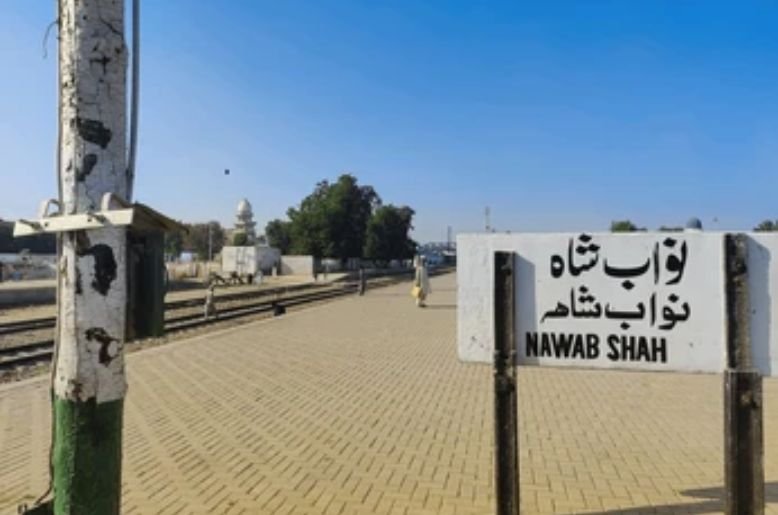
Nawabshah is a city that reflects the true cultural soul of Sindh. Its traditions, values, and daily life show a deep connection with history and local customs. People in Nawabshah live simple lives, respect elders, and follow traditions that pass from one generation to the next. This guide explains the culture and traditions of Nawabshah in easy words for readers across Pakistan.
Cultural identity of Nawabshah
The culture of Nawabshah is deeply rooted in Sindhi traditions. People take pride in their language, clothing, and customs. Sindhi is widely spoken, while Urdu is also used in daily communication. The cultural identity of Nawabshah reflects warmth, hospitality, and respect.
Family values hold great importance in Nawabshah. People live in joint family systems and support each other in all stages of life. Social bonds remain strong, and neighbors often behave like extended family members.
Traditions passed through generations
Traditions in Nawabshah continue through daily life practices. Elders guide younger generations with moral lessons and cultural values. Respect for parents, teachers, and elders remains central to society.
Marriage traditions in Nawabshah reflect Sindhi culture. Weddings include colorful dresses, traditional music, and family gatherings. These events strengthen relationships and bring communities closer together.
Lifestyle and daily life in Nawabshah
Life in Nawabshah moves at a calm and balanced pace. People wake up early, attend work or study, and gather with their family in the evenings. Markets stay busy, especially in the evening hours.
Men usually wear shalwar kameez, while women prefer traditional Sindhi dresses. Ajrak and Sindhi caps represent cultural pride and identity. These symbols appear during festivals and special occasions.
Food culture of Nawabshah
Food plays an important role in Nawabshah culture. Traditional Sindhi dishes are common in homes and local eateries. People enjoy simple yet flavorful meals made with local ingredients.
Rice, lentils, vegetables, and meat dishes remain popular. Spices add a strong taste, but meals remain balanced and nourishing. Guests always receive food with respect, as hospitality stands as a key value in Nawabshah.
Festivals and celebrations
Festivals bring joy and unity to Nawabshah. Religious events like Eid bring families together. People clean their homes, wear new clothes, and share food with relatives and neighbors.
Cultural festivals highlight Sindhi heritage through music and traditional attire. These events remind people of their roots and strengthen cultural identity.
Music and folk traditions
Music holds a special place in this city culture. Folk songs express the emotions, stories, and values of the people. Traditional Sindhi music instruments appear during cultural gatherings.
Poetry also influences local culture. Many people admire Sindhi poets and share poetry during social events. These traditions keep cultural expressions alive.
Education and cultural awareness
Education plays a growing role in Nawabshah. Schools and colleges promote learning while families encourage children to respect traditions. People believe education and culture should grow together.
Cultural awareness remains strong despite modern influences. This city balances tradition with progress, allowing people to move forward without losing their identity.
Religious values and social harmony
Religion shapes daily life in Nawabshah. People follow Islamic teachings with respect and humility. Mosques serve as community centers where people gather for prayer and guidance.
Social harmony remains strong among residents. People help each other in times of need and value peaceful coexistence. These qualities reflect the true spirit of the city.
Historical and administrative background
Nawabshah developed as an important city during the early twentieth century. Over time, it became a center for administration, education, and culture in the region. The city grew steadily and attracted people from nearby areas.
Nawabshah serves as the headquarters of its tehsil and district. Its administrative importance helped improve infrastructure and public services. This growth shaped modern Nawabshah while preserving cultural roots.
Neighborhood life and community living
Neighborhoods in this city reflect close community ties. People know each other well and share responsibilities. Children play together, and elders sit outside homes to socialize.
Markets and local areas act as social spaces. These places bring people together and strengthen relationships. Community living remains a strong feature of Nawabshah culture.
Modern changes and cultural balance
Modernization has brought changes to this city. Technology, education, and new businesses influence daily life. Despite these changes, people protect cultural values. Traditional customs remain present in weddings, festivals, and family life. This city continues to balance modern progress with cultural preservation.
Read our latest update on President Zardari’s meeting with PML-N leadership in Nawabshah, highlighting key political discussions and outcomes. Stay informed with in-depth coverage of political developments shaping Nawabshah and Sindh.
Why Nawabshah culture matters
Nawabshah culture represents the heart of Sindhi traditions. It teaches respect, patience, and unity. These values shape strong individuals and healthy communities.
Understanding the culture helps people appreciate Sindh’s diversity. It shows how tradition and simplicity create meaningful lives.
Conclusion
Nawabshah culture and traditions reflect simplicity, respect, and deep social bonds. The city holds strong family values, rich traditions, and cultural pride. People live connected lives where customs guide daily behavior.
This simple local guide shows how Nawabshah preserves its identity while embracing change. Its culture continues to inspire people across Pakistan.
Frequently asked question
1. What language do people speak in Nawabshah?
People mainly speak Sindhi and Urdu.
2. What makes Nawabshah culture unique?
Strong family values and Sindhi traditions define Nawabshah culture.
3. What food is popular in Nawabshah?
Traditional Sindhi dishes made with rice, lentils, and spices are common.
4. Do people still follow traditional customs in Nawabshah?
Yes, traditions remain strong in daily life and celebrations.
5. Is Nawabshah culturally important in Sindh?
Yes, it reflects Sindhi heritage and local values clearly.


