
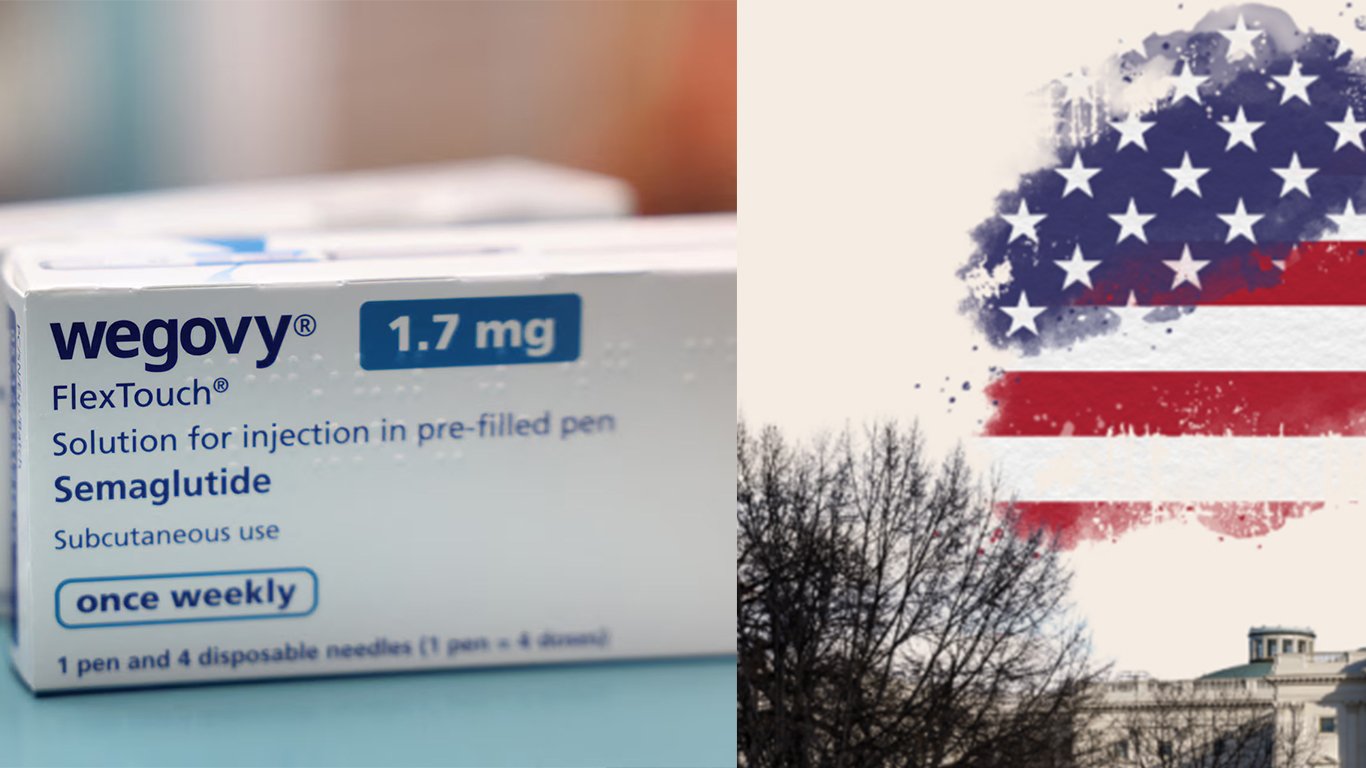
Web Desk: A new wave of weight loss pills and appetite-suppressing medicines are starting to reshape eating habits in the United States and food companies are beginning to feel the impact.
As more consumers turn to these weight loss solutions, packaged food makers and fast-food chains may have little choice but to adapt, from shrinking portion sizes to rethinking ingredients and health messaging.
Novo Nordisk approved
The U.S. Food and Drug Administration approved Novo Nordisk’s GLP-1 weight-loss pill Wegovy, widening access to medicines that help people eat less by suppressing appetite.
The approval was quickly followed by a dip in the share prices of several food companies, underlining investor worries that lower food consumption could hurt future sales. The reaction suggests the market increasingly views weight-loss drugs as a challenge not just for healthcare systems, but for the food industry as a whole.
Consumers rethink what they eat
As use of the drugs grows, eating habits are changing. Many users are now choosing foods that are higher in protein, served in smaller portions and marketed with clear health benefits.
Food manufacturers are already responding. Many are reformulating products to increase protein levels, adjusting labels to highlight nutritional value and introducing smaller pack sizes aimed at customers who want to feel full while eating less.
Spending on food falls, research shows
Studies cited in the report suggest the shift is already affecting spending. On average, people using weight-loss medicines cut grocery spending by 5.3 per cent, while spending at fast-food restaurants falls by nearly 8 per cent.
The research also notes that these effects tend to fade once people stop taking the drugs. Even so, experts say the growing number of long-term users means the overall impact on the food sector could still be significant.
Restaurants and brands adjust their menus
Large food companies have begun launching protein-rich products and items tailored to specific consumer needs. At the same time, some restaurant chains have added smaller and more affordable menu options to reflect changing appetites.
Rather than losing customers altogether, businesses are trying to stay relevant by offering meals that better match how much people now want to eat.
Long-term change likely
Experts believe easier access and lower prices will encourage prolonged use of weight-loss medications, increasing the chances that these shifts in eating behaviour will last.
As a result, demand for traditional high-calorie foods may weaken, while interest grows in portion-controlled, functional and health-focused products.
Taken together, analysts expect weight-loss drugs to drive lasting changes across the U.S. food industry, influencing what people buy, how much they consume and how companies design the foods that line supermarket shelves and restaurant menus.
Web Desk: Is Netflix making a series on Lyari?


