
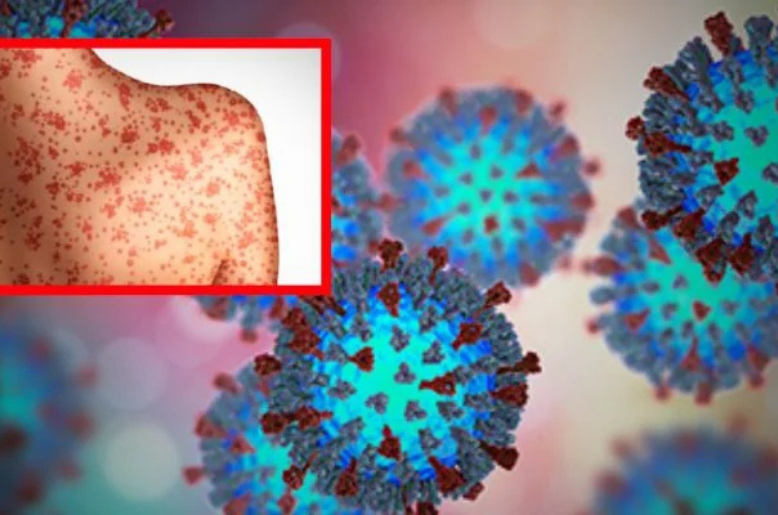
New York health officials have reported the state’s first known measles-associated death in more than 30 years. A child in Lewis County died during an ongoing measles outbreak. Governor Kathy Hochul and public health officials announced the death on Monday, November 2. The New York State Department of Health and Lewis County Public Health issued a joint statement. Officials expressed condolences to the child’s family and asked the public to respect their privacy. They did not release the child’s age, gender, vaccination status.
The announcement has raised concern as cases continue to spread. New York recorded 178 cases this year as of October 24. Of those cases, 170 were reported outside New York City, while eight were recorded within the city. The measles death marks a serious development in the state’s outbreak response. Measles is a highly contagious viral disease that spreads through the air when an infected person coughs or sneezes. People can become infected by breathing in the virus.
The illness can cause fever, cough, and a skin rash. It can also lead to serious complications, including pneumonia. In some cases, measles weakens the immune system’s ability to fight other illnesses. Health officials warn that the disease can cause death, particularly among vulnerable people. Governor Hochul declared a state disaster emergency about four weeks before the announcement. The order responded to measles activity in parts of New York and neighboring states. It expanded the group of professionals allowed to administer measles vaccines and gave nurses authority to order testing, alongside doctors.
State health officials said they are working with county departments and local partners. Their efforts include offering vaccinations to unvaccinated people, monitoring reported cases, and investigating possible exposures. Contact tracing helps officials identify people who may have been exposed and limit further transmission. The measles death has renewed attention on vaccination as the outbreak continues. Health authorities urge residents to check that their measles, mumps, and rubella vaccinations are up to date. They also advise people to speak with healthcare providers about immunization, especially before travel.
New York’s latest guidance says infants aged six months and older may receive an early MMR vaccine dose when exposure risk is present. This may apply before travel or when an infant lives in a community with measles transmission. Parents should discuss the timing with a healthcare provider. Officials continue to monitor the situation and support local vaccination efforts. They say vaccination remains the best protection against measles and its severe complications.
