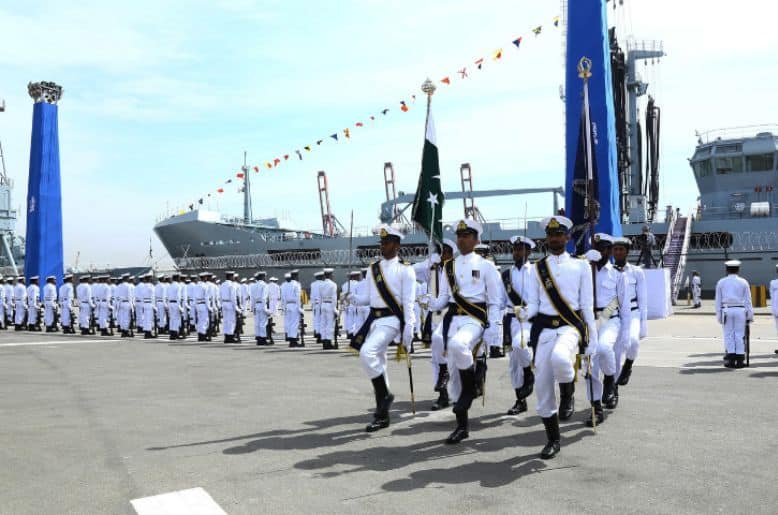
The pak navy stands as Pakistan’s main maritime defence force. It protects the nation’s coastline, sea routes, ports, and maritime interests. This strong naval force works day and night to keep Pakistan safe in the Arabian Sea. In this blog, you will learn about the history, duties, structure, capabilities, and importance of the pak navy. The content is written in simple words and short sentences to ensure easy reading.
History and Origins
The pak navy started its journey on 14 August 1947. At the time of independence, Pakistan received only a small share of ships and trained officers. The navy faced many challenges during its early years. The fleet was small, and the country needed to build its maritime defence from scratch.
Over time, the pak navy expanded its ships, submarines, aircraft, and trained manpower. With continuous growth and modern training, it became a strong and trusted force. Today, the pak navy plays a key role in protecting Pakistan’s waters from all kinds of threats.
Main Duties of Pak Navy
The pak navy has many important duties. These duties ensure safety at sea and protect the country’s economic future. Some of its main responsibilities include:
- Defending Pakistan’s long coastline
- Securing sea routes that connect Pakistan with other countries
- Protecting ports like Karachi and Gwadar
- Guarding the Exclusive Economic Zone (EEZ)
- Stopping smuggling, piracy, and illegal fishing
- Supporting the country during war
- Responding to natural disasters and emergencies
- Joining international maritime missions when needed
Pakistan relies heavily on sea trade, and the pak navy ensures all trade routes remain safe. This makes the navy a vital pillar of national security.
Structure and Organization
The pak navy is well-organized and divided into various commands. These commands handle operations, logistics, training, security, and special missions. Each command plays a unique role in strengthening maritime defence.
Key Components of the Pak Navy
- Fleet Command: Handles warships and leads operations at sea
- Logistics Command: Provides supplies, repairs, and technical support
- Coastal Commands: Protect coastal regions and ports
- Naval Aviation: Operates aircraft, helicopters, and patrol planes
- Special Service Group Navy (SSG-N): Elite commandos trained for underwater and special operations
- Pakistan Marines: Protect beaches, coastal areas, and sensitive sites
This structure allows the pak navy to carry out complex missions with efficiency and speed.
Fleet and Modern Capabilities
The pak navy operates a modern fleet. It includes warships, submarines, patrol vessels, aircraft, and support ships. The fleet continues to grow with new technology and modern equipment.
Surface Fleet
The surface fleet includes destroyers, frigates, corvettes, and fast-attack craft. These ships perform sea patrols, escort missions, and combat operations. The pak navy is also adding modern stealth ships to enhance its strength.
Submarine Fleet
Submarines are a powerful part of the pak navy. They provide silent movement underwater and act as an important deterrent against enemy threats. Submarines also carry advanced weapons that increase strategic security.
Naval Aviation
Naval aircraft help monitor large sea areas. They track suspicious ships, support rescue missions, and strengthen coastal surveillance.
Modernization
The pak navy is rapidly modernizing. New warships, submarines, and maritime technologies are being added. Training programs are improving. The goal is to make the force more capable, strong, and ready for modern challenges.
Major Achievements of Pak Navy
The pak navy has shown bravery and skill in many operations. Some important achievements include:
- Successful missions during national wars
- Participation in global anti-piracy operations
- Protection of merchant ships during conflicts
- Help during natural disasters like floods and storms
- Strong coordination with friendly navies around the world
These achievements highlight the discipline and commitment of the pak navy.
Challenges Faced by the Pak Navy
The pak navy operates in a complex environment. Some challenges include:
- A long coastline that requires constant monitoring
- Growing maritime threats like smuggling and illegal fishing
- Need for modern equipment and technology
- High operational costs
- Regional security tensions
Despite these challenges, the pak navy continues to grow stronger with each passing year.
Leadership and Vision
The leadership of the pak navy focuses on modernization, training, and strategic stability. The command aims to improve readiness and build a future-ready naval force. Under its leadership, the pak navy is preparing for new challenges and opportunities in the maritime world.
Importance of Pak Navy
The pak navy is essential for Pakistan’s stability and growth. Here are some reasons why:
- Economic Security: Most trade passes through the sea. The navy protects these routes.
- National Defence: It secures the coastline and stops any threat before it reaches land.
- Strategic Power: Submarines and warships increase Pakistan’s defensive edge.
- International Role: The navy represents Pakistan on global platforms and builds strong relations with other navies.
- Humanitarian Support: During emergencies, the pak navy saves lives and delivers relief supplies.
In short, the pak navy protects both the land and economy of Pakistan.
Conclusion
The pak navy is the silent guardian of Pakistan’s seas. From a small start in 1947, it has become a modern and powerful naval force. It protects sea routes, defends the coastline, supports global missions, and responds during crises. Its role is more important today than ever before.
With strong leadership, modern equipment, and committed sailors, the pak navy continues to stand firm. It is ready to face all challenges. It is ready to protect Pakistan’s future. And it will always remain a symbol of courage, discipline, and strength.