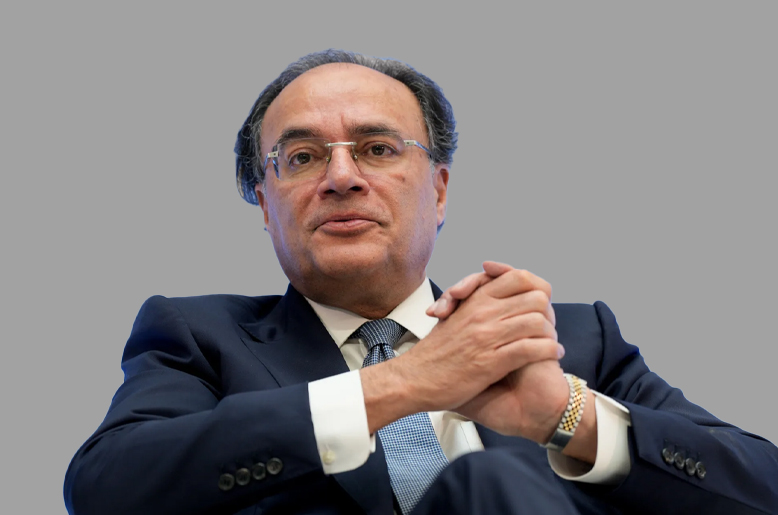
Finance Minister Muhammad Aurangzeb has called on Pakistan’s microfinance sector to rethink how it lends money, urging institutions to rely more on borrowers’ cash flows, alternative data and digital credit scores instead of collateral.
Speaking virtually at the 10th Annual Microfinance Conference organised by the Pakistan Microfinance Network in Karachi on Wednesday, Aurangzeb said the shift could help bring more small businesses and farmers into the formal financial system.
“Within the context of microfinance as well, we need to move towards cashflow-based lending, rather than always focused on collateral,” the minister said.
He also asked microfinance institutions to look beyond the amount of money they lend and focus on how many new borrowers they bring into the financial system.
Agriculture and small businesses, he said, should remain key areas of focus as Pakistan seeks to widen access to finance.
Aurangzeb said the government had also raised the export refinance limit to Rs1.5 trillion from Rs1 trillion. Of the increased facility, 20 percent has been set aside for small and medium-sized enterprises.
The finance minister also pointed to improvements in Pakistan’s broader economic position. Foreign exchange reserves have reached a record $21.4 billion, he said, providing around three months of import cover.
The economy is expected to grow by more than 4 percent during the current fiscal year, according to Aurangzeb.
He said the government’s next challenge was to ensure that recent economic stability lasts. This would require continued reforms in taxation, the energy sector, state-owned enterprises, privatisation and public finances.
Pakistan has made significant progress towards economic stability over the past two and a half years, Aurangzeb said, adding that the country’s sovereign credit rating had improved three times since April 2025.
But the minister said stability alone would not be enough. The next phase should focus on sustainable and responsible growth rather than an expansion driven mainly by consumption.
“Strengthening economic stability on a sustainable basis is essential for durable economic activity and breaking out of boom-and-bust economic cycles,” he said.
Aurangzeb added that the government wanted to give the private sector a larger role in driving economic activity and growth.
For the microfinance industry, that broader shift means finding ways to lend to people and businesses that may not have traditional assets to offer as security, but have viable incomes and cash flows that can support borrowing.
Read next: Aurangzeb confident ahead of IMF review, says no issue with UAE deposits