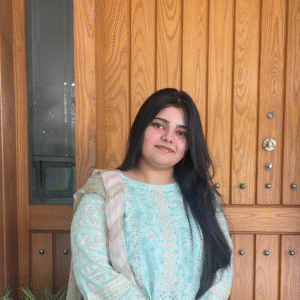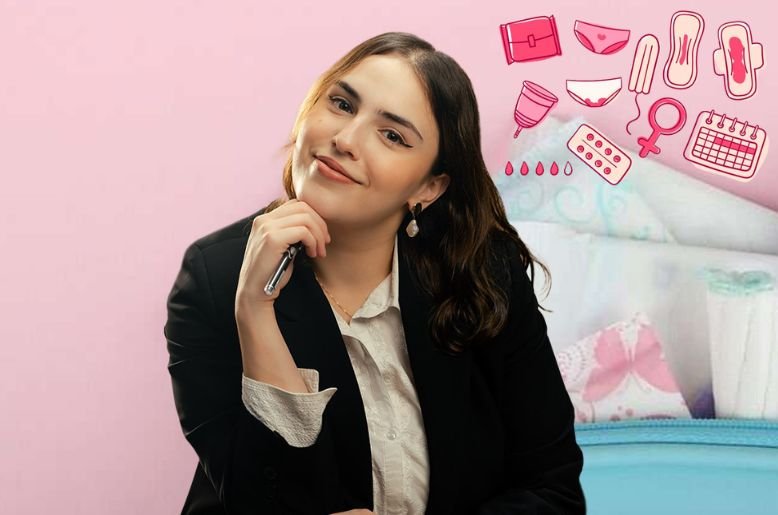
Web desk: A 25-year-old Pakistani lawyer, Mahnoor Omer, has taken Pakistan’s government to court, challenging what she has described as a period tax on sanitary pads.
The tax discriminates against women and makes access to hygiene products difficult by making them unaffordable.
Why a 25-Year-Old Lawyer is Fighting Pakistan’s ‘Period Tax’ on Sanitary Pads
Growing up in Rawalpindi, just next to Pakistan’s capital, Islamabad, Mahnoor Omer remembers how something as natural as periods filled her school days with embarrassment.
She recalls how she used to sneak sanitary pads to the bathroom, hiding them up her sleeve so no one would notice.
“I used to hide my pad up my sleeve like I was taking narcotics to the bathroom,” she says, reports Al Jazeera.
Teachers, she adds, discouraged any discussion on the subject. One of her classmates even told her that her mother thought pads were “a waste of money.”
That moment stayed with her. “If middle-class families think this way, imagine how out of reach these products are for others,” Omer recalls.
Now 25 and a lawyer, Omer has become a leading voice in a growing movement to make menstrual hygiene products more affordable and accessible in Pakistan.
‘Period Tax’ on Sanitary Pads in Pakistan
In September, she filed a petition in the Lahore High Court, challenging what she calls a “period tax.”
Under Pakistan’s Sales Tax Act of 1990, locally made sanitary pads are subject to an 18 per cent sales tax, while imported ones and the raw materials used to produce them face a 25 per cent customs tax.
UNICEF Pakistan estimates that, with local levies added, these products are taxed at nearly 40 per cent.
Omer’s petition argues that these taxes are discriminatory, violating constitutional rights that guarantee equality, dignity, and social justice.
For many women, the high cost of pads is around 450 rupees (£1.30) for a pack of ten.
This means choosing between menstrual products and a meal. With an average monthly income of about $120, most low-income families cannot afford such expenses.
According to a 2024 UNICEF and WaterAid study, only 12 per cent of Pakistani women use commercial sanitary pads.
The majority rely on cloth or other materials, often without access to clean water or proper hygiene facilities.
“If this petition goes forward, it’s going to make pads affordable,” says Hira Amjad, founder of the Dastak Foundation, which campaigns for gender equality and women’s rights in Pakistan.