
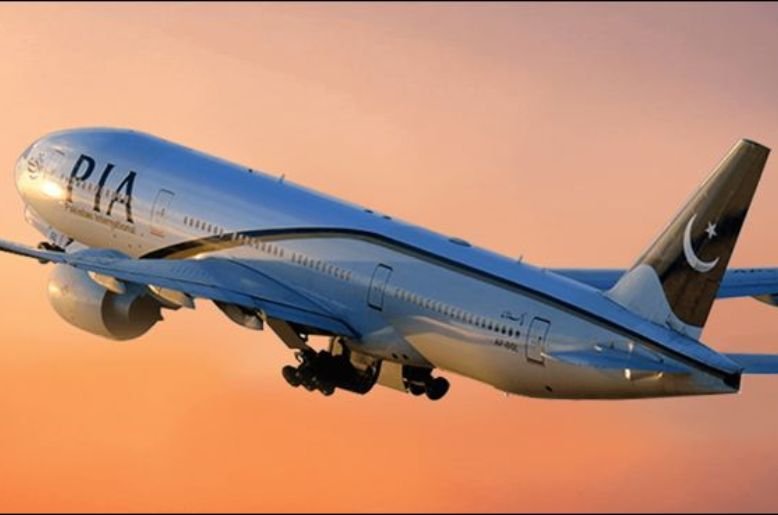
In December 2025, a consortium led by Arif Habib Corporation Limited successfully acquired a 75% stake in Pakistan International Airlines. The deal, valued at Rs135 billion, marked a historic step in the privatization of the debt-laden national carrier. The agreement included plans to modernize PIA’s fleet and improve operational efficiency. This privatization came after the government absorbed the airline’s massive legacy debt to make the deal attractive to investors.
Pakistan International Airlines, the country’s flag carrier, has struggled for decades with losses, debt, and operational inefficiencies. The privatization raises questions about whether this move benefits the government, employees, passengers, and the overall aviation sector.
What the government sold
Not all the PIA were privatized. Before the sale, the state split the airline into two entities. A holding company absorbed most of the old liabilities, roughly Rs650 billion in net legacy debt. The operating airline, which retained aircraft, routes, and day-to-day operations, was sold to private investors.
The 2024 financial accounts showed that separating the legacy debt allowed the operating airline to generate a modest profit. This move ensured that the new owners had incentives to invest in growth and efficiency rather than using revenue to service old debt.
Financial structure of the deal
The government sold 75% of the operating airline. The structure combined a small cash payment of Rs10 billion with a larger capital infusion of Rs125 billion into the airline. This recapitalization allows the airline to invest in fleet modernization, technology, and service improvements.
After the deal, the government retains a 25% stake valued at approximately Rs45 billion. In total, the immediate “value” from the transaction is about Rs55 billion, including cash and equity.
What the government still owns
While the operating airline is now privatized, the holding company—and its Rs650 billion in legacy liabilities—remains with the state. The government continues to bear the cost of these obligations, including roughly Rs60 billion annually in financing costs.
Privatization, therefore, does not eliminate past debts. Instead, it separates the operating airline from these legacy obligations, creating a cleaner, more investable business.
Potential benefits of privatization
The privatization of PIA can positively impact Pakistan’s aviation sector. With private ownership, the airline is likely to focus on efficiency, customer service, and profitability. Modernizing the fleet and improving operational practices can make flights more reliable and attract more passengers.
Privatization also encourages management to make smart decisions. Without the burden of legacy debt, incremental revenue can fund growth, better services, and improved employee performance.
A healthier PIA can stimulate competition in the domestic market, encouraging other airlines to improve services and reduce fares. Over time, this benefits travelers and the overall economy.
Challenges and concerns
While privatization is a positive step, challenges remain. The state still carries significant legacy debt. Efficient management and operational reforms alone cannot immediately erase decades of financial mismanagement.
Privatization of success also depends on the broader business environment. Without policies that support investment, competition, and transparency, the impact of privatization may be limited. In other sectors, like energy, weak governance continues to burden households and firms.
The legacy of mismanagement at PIA highlights that institutional reforms are as important as ownership changes.
Impact on passengers
For passengers, PIA privatization could bring better service, more punctual flights, and a modernized fleet. Ticket pricing may stabilize or become more competitive as operational efficiency improves. Read our update on Fly and ride on one ticket with PIA air–rail service in Canada, UK to learn how passengers can enjoy seamless travel across air and rail.
Frequent travelers and business passengers could benefit from new loyalty programs, upgraded seating, and better in-flight amenities. Regional and international connectivity may also improve, making PIA a viable competitor to other airlines.
Impact on employees
Employee concerns are natural during privatization. While the airline will likely retain most operational staff, private ownership may lead to restructuring. However, new management may also offer training, performance incentives, and career growth opportunities.
A professionally managed airline may provide a more stable and productive work environment compared to the past, which was marked by inefficiencies and financial uncertainty.
Aviation sector outlook
The privatization of PIA is likely to reshape Pakistan’s aviation sector. Increased efficiency and modernization can encourage new investment, improve competitiveness, and attract international partnerships.
Other domestic airlines may respond with better services and pricing strategies, benefiting consumers. Over time, privatization can contribute to a more robust and profitable aviation industry, enhancing Pakistan’s global connectivity.
Lessons from privatization
Separating legacy debt from the operating business was critical. It aligns the interests of new management with the airline’s success.
Privatization alone does not guarantee success. It works best when paired with strong governance, supportive policies, and market-friendly reforms. If executed properly, PIA could become a model for privatization in Pakistan.
Frequently asked questions
What is PIA privatization?
It is the sale of a 75% stake in Pakistan International Airlines to private investors.
Who bought a PIA?
A consortium led by Arif Habib Corporation Limited acquired the majority stake.
Will ticket prices increase after privatization?
Ticket prices may stabilize or become competitive as operational efficiency improves.
Does the government still have any ownership?
Yes, the government retains a 25% stake in the operating airline and holds legacy debt in a separate entity.
How will passengers benefit?
Passengers may see better service, modernized aircraft, improved punctuality, and enhanced in-flight amenities.


