
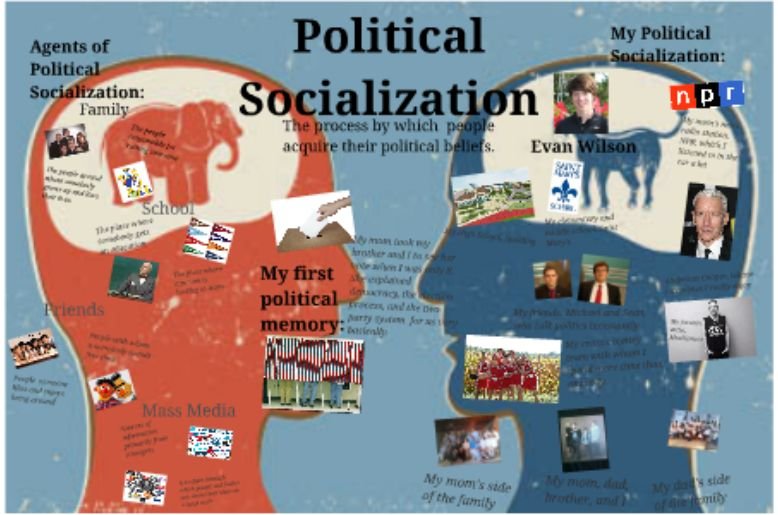
Have you ever wondered why you lean toward one political party over another? Or why do you feel strongly about certain social issues? These beliefs do not appear out of thin air. They are shaped over time through a process called political socialization. It is the lifelong journey through which we develop our political attitudes, values, and opinions.
Understanding political socialization is key to understanding ourselves and the society we live in. It explains how political cultures are maintained and how they change from one generation to the next. This article breaks down what political socialization is, who influences our beliefs, and why it matters in today’s world.
What Exactly is Political Socialization?
Political socialization is the way people learn about politics and form their own political ideas. Think of it as learning the rules and norms of the political world, much like you learn social rules for everyday life. This process starts in childhood and continues throughout our entire lives. It is not a formal education with textbooks and tests. Instead, it happens informally through our daily interactions and experiences.
The process influences everything from which political party you support to your views on taxes, healthcare, and the environment. It shapes your trust in government and your decision to vote or protest. Essentially, political socialization provides the foundation for how we see and engage with the political system. It helps create a common ground for citizens. However, it also explains why deep political divisions exist.
The Primary Agents of Political Socialization
We learn our political beliefs from many sources. These are often called “agents of socialization.” Some of these agents have a stronger influence than others, especially during our formative years.
The Family: Our First Political Teacher
For most people, the family is the most powerful agent of political socialization. Children often absorb the political views of their parents without even realizing it. This happens through dinner table conversations, listening to the news together, or observing a parent’s reaction to a political event. This early influence is so strong because it happens during a time when we are very impressionable.
If your parents consistently voted for a certain party, you are more likely to identify with that party yourself, at least initially. The family transmits core values and beliefs about authority, trust, and community. These early lessons create a political lens through which we view the world as we get older. While some people later reject their family’s political views, the family’s initial impact remains significant.
Schools: Learning to be a Citizen
Schools play a crucial role in political socialization. They teach us the “official” side of politics. We learn about government structures, historical events, and civic duties. Classes like history and civics are designed to create good citizens. We learn about the importance of voting, the meaning of democracy, and the structure of our government.
Schools also teach us indirectly. The daily routine of following rules, respecting authority figures like teachers, and participating in student government teaches us about social order. Saying the Pledge of Allegiance or singing the national anthem builds a sense of national identity. Schools provide a more formal and standardized form of political learning than the family.
Secondary Influences on Our Political Views
As we grow older, other influences begin to shape our political beliefs. These agents may challenge or reinforce the lessons we learned from our family and school.
Peer Groups: The Power of Friends
Friends and peers become very important during adolescence and young adulthood. Your peer group can introduce you to new ideas and perspectives. If your friends are passionate about a certain political issue, like climate change or social justice, you might become more interested in it too.
The desire to fit in can also influence our views. We may adopt the political attitudes of our social circle to feel a sense of belonging. This is especially true on college campuses, where students are exposed to a wide range of new ideas and social groups. The political discussions you have with your peers help you refine and solidify your own beliefs.
The Media: Shaping What We Think About
The media, including television, news websites, and social media, is a powerful agent of political socialization. It does not always tell us what to think, but it definitely tells us what to think about. By choosing which stories to cover, the media sets the public agenda. An issue that receives a lot of media attention is more likely to be seen as important by the public.
Today, social media plays an enormous role. Your news feed creates a personalized stream of information. This can create “echo chambers,” where you only see content that confirms your existing beliefs. This can make your views stronger and make it harder to understand different perspectives. The media frames political issues in certain ways, which can influence public opinion and our own political ideas.
Major Life Events: Moments That Change Us
Personal experiences and major historical events can have a profound impact on our political beliefs. These are often called generational effects. For example, people who grew up during the Great Depression often developed lifelong beliefs about the importance of economic security and the role of government.
Similarly, events like the Vietnam War, the September 11th attacks, or the 2008 financial crisis shaped the political views of entire generations. On a personal level, experiences like losing a job, serving in the military, or becoming a parent can shift your political priorities and change how you see the world. This shows that political socialization is not a static process; it evolves as we move through life.
Why Political Socialization Matters
Political socialization is more than just an academic concept. It is the bedrock of a country’s political culture. It ensures that political values are passed from one generation to the next, providing stability. When most people share a common belief in democracy and the rule of law, the political system can function more smoothly.
However, the process also explains political polarization. When different groups are socialized in very different ways, through separate media sources and social networks, it can lead to deep divisions. Understanding where our own beliefs and the beliefs of others come from is the first step toward having more productive political conversations. It helps us see that a person’s political stance is the result of a complex lifetime of learning.
As our society continues to change, so too will the agents of political socialization. The way we form our political beliefs will continue to evolve, shaping the future of our democracy. Curious about the surprising connection between Donald Trump and Asim Munir? Dive into the full story here: How did Trump and Asim Munir become friends?
Frequently Asked Questions
1. What is political socialization?
It is the lifelong process through which people form their ideas about politics and acquire their political values and attitudes.
2. What is the most important agent of political socialization?
For most people, the family is the most influential agent, as it provides our very first lessons about politics and authority, usually starting in early childhood.
3. How do schools affect political beliefs?
Schools teach formal knowledge about government, history, and civic duties. They also informally teach respect for rules and authority, helping to shape future citizens.
4. What role does the media play in this process?
The media helps set the public agenda by deciding which issues to cover. It can shape what people view as important and expose them to different political viewpoints.
5. Does political socialization ever stop?
No, it is a continuous process that lasts throughout a person’s life. Major life events, new jobs, and changing social circles can all alter our political views over time.


