Amid rising temperatures and an extraordinary increase in electricity demand, the Power Division has urgently requested the Petroleum Division to arrange four LNG cargoes on an emergency basis.
According to the media reports the division has formally written to the Petroleum Division, requesting the supply of 400 MMCFD of liquefied natural gas (LNG) to sustain power generation.
With temperatures rising sharply, authorities are concerned about a potential power shortfall if additional fuel is not secured in time. LNG has been described as critical for maintaining current generation levels, with experts cautioning that failure to run LNG-based plants could lead to a severe electricity deficit.
At present, LNG-powered plants have a combined capacity of around 6,000 megawatts, and generating electricity from LNG spot cargoes remains far more economical than using high-speed diesel or furnace oil.
Sources warned that in the absence of LNG, the country may have to rely on diesel, significantly increasing production costs and placing an added financial burden on consumers through higher monthly Fuel Price Adjustments (FPA).
The Power Division has already shared its demand and supply projections for the coming weeks. Meanwhile, K-Electric has also highlighted its urgent need for LNG supplies.
In its communication, the Power Division further urged the Petroleum Division to arrange the required LNG cargoes from Qatar to help bridge the expected supply gap.
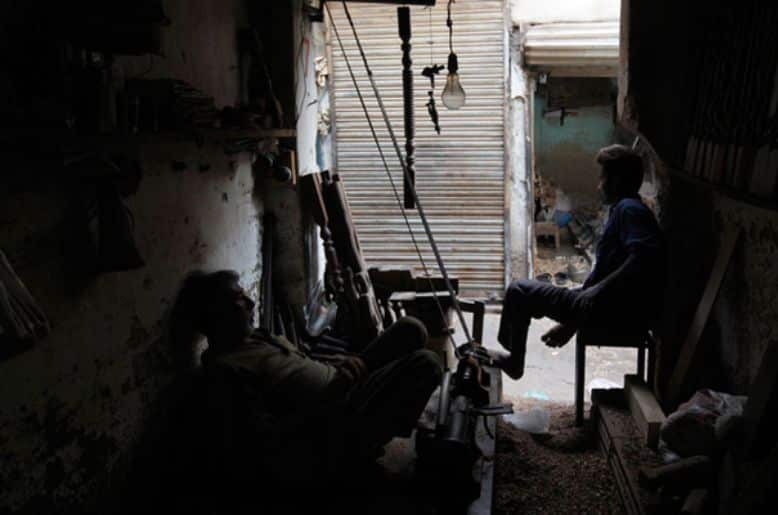
Earlier, the electricity shortfall reached to 5,000 megawatts as uncontrolled load shedding continues across the country.
The Demand reached around 20,000 megawatts and electricity generation stood at 14,274 megawatts.
Hydropower production was 1,530 megawatts, thermal generation was 7,814 megawatts, solar power contributed 450 megawatts, wind energy produced 1,490 megawatts, nuclear power accounted for 2,890 megawatts, and bagasse power plants generated 100 megawatts.
Due to the widening shortfall, both urban and rural areas were facing extended power outages. Load-shedding in cities ranges from 10 to 12 hours daily, while rural areas are experiencing up to 14 hours of outages. In regions with high electricity theft, outages exceed 16 hours per day.
Also read: Load-shedding worsens as power shortfall surpasses 5,000MW