
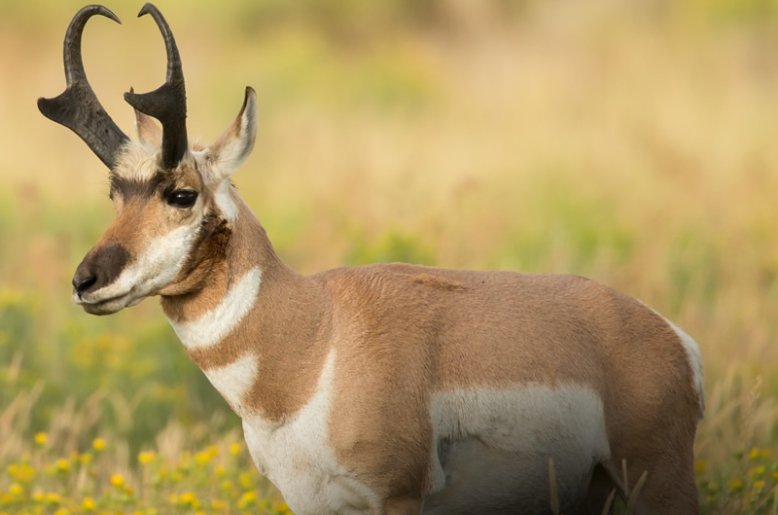
The animal kingdom is full of amazing creatures. Some are big and strong. Others are small and fast. Today, we will talk about one of the fastest animals on land. This animal is the pronghorn. You might think it looks like a deer or an antelope. But it is a very unique animal. It lives far away in North America, but its story is interesting for everyone, even here in Pakistan.
This guide will tell you everything about this speed champion. We will look at what it eats. We will see where it lives. We will also learn about its family life. If you love animals and want to learn something new, this article is for you. Let’s explore the world of the pronghorn.
Physical characteristics
The pronghorn is built for speed. Its body is designed to run very fast. It is not a very big animal, but it is strong.
- Size and weight
An adult male weighs between 40 to 65 kg. That is about the weight of a small adult human. Females are a bit lighter. They weigh between 34 to 48 kg. When they stand, they are about 81 to 100 cm tall at the shoulder. This is roughly the height of a kitchen table. They have long, thin legs that help them take big steps while running.
- The famous horns
The name “Pronghorn” comes from their horns. Both males and females have them. The male horns are longer. They branch out like a fork. This “prong” shape gives them their name. Unlike other animals, they shed the outer cover of their horns every year. Underneath, a new horn grows. This is a very special feature found only in this animal.
- Incredible speed
The most famous thing about the pronghorn is its speed. It is the second-fastest land animal in the world. Only the cheetah is faster. A pronghorn can run up to 98 km/h. That is as fast as a car on a highway! But there is a difference. A cheetah gets tired quickly. A pronghorn can keep running fast for a long time. It has a big heart and large lungs to help it breathe while running.
Diet and feeding habits
You might wonder what a fast runner eats. Does it eat meat? No, the pronghorn is a herbivore. This means it only eats plants.
What they eat
Their diet is simple. They eat grasses, leaves, and shrubs. They really like sagebrush. This is a type of bush found in their home. They also eat flowers and cacti. Their mouth is tough. It allows them to eat thorny plants without getting hurt.
Finding water
Living in dry places means water is scarce. The pronghorn is smart. It gets a lot of water from the plants it eats. This helps it survive when there is no river or lake nearby. In winter, they can even eat snow to get water. They do not need to drink water every day if they eat fresh green plants.
Feeding style
They graze during the day. They are always on the lookout for danger. While eating, they lift their heads often. Their large eyes help them see predators from far away. They chew their food quickly and swallow it. Later, they bring it back up to chew it again. This helps them digest tough plants properly.
Natural habitat
The pronghorn calls North America its home. It does not live in forests or jungles. It prefers wide-open spaces.
- Wide Open Plains: You will find them in grasslands and deserts. They like places where they can see very far. This helps them spot danger. If a predator comes, they can use their speed to escape. Trees and thick bushes would block their way. So, they stick to flat lands.
- Range: They live in the western and central parts of North America. This includes places in the United States, Canada, and Mexico. The weather in these places changes a lot. It can be very hot in summer and cold in winter. The Pronghorn can handle both. Its fur is special. The hairs are hollow inside. This traps air and keeps the animal warm in winter. In summer, they can raise their hair to let heat escape.
Lifespan and reproduction
Like all animals, the pronghorn has a cycle of life. They grow up, find partners, and have babies.
How long do they live
In the wild, a pronghorn lives for about 10 years. This is a normal age for an animal of its size. Life in the wild is hard. They face predators like wolves and coyotes. Sometimes, harsh weather or a lack of food can shorten their life.
In the latest news, the imported giraffe’s death at Lahore Safari Zoo has raised serious concerns about animal welfare and management practices. Authorities have launched an inquiry to determine the cause of death.
Finding a mate
In the mating season, male pronghorn compete. They want to show they are the strongest. They defend their territory. Females choose the strongest males. This usually happens in late summer or early autumn.
Baby pronghorns
The mother carries the baby for about 235 days. This is around 8 months. Most of the time, she gives birth to twins. The babies are called calves. When a calf is born, it is very weak. But it grows very quickly. Within a few days, it can run faster than a human. The mother hides her babies in tall grass to keep them safe. She visits them only to feed them milk. This keeps the scent away so predators cannot find them.
Behavior and adaptations
The pronghorn has many tricks to survive. Its behavior is shaped by the dangers it faces.
- Superior vision
Their eyes are huge. They are located on the sides of their head. This gives them a very wide view. They can see things moving miles away. It is said that their vision is like looking through binoculars. This is their first line of defense. They see the enemy before the enemy sees them.
- Signal of danger
They have a clever way to talk to each other. They have white hair on their rump (backside). When they are scared, they puff up this hair. It acts like a white flag. Other Pronghorn see this white flash from far away. It tells them, “Danger is here! Run!” Then, the whole group runs away together.
- Migration
In winter, snow covers their food. So, they move. They migrate hundreds of miles to warmer places. They travel in large groups. This journey can be hard. They have to cross fences and roads. But their memory is good. They remember the path their ancestors took.
Conservation status
Is the pronghorn safe? Yes, for now. Scientists list them as “Least Concern.” This means their population is stable.
A success story
A hundred years ago, things were different. People hunted them too much. Their numbers dropped very low. They almost disappeared. But then, strict laws were made. Hunting was controlled. Their habitats were protected. Slowly, their numbers grew back. Today, there are many pronghorns in the wild.
Threats remain
Even though they are safe, they still face problems. Fences are a big issue. Pronghorn do not like to jump. They prefer to crawl under fences. If a fence is too low, they get stuck. They cannot migrate to find food. Roads and cities also cut through their homes. Conservation groups are working to fix this. They are building safer fences and bridges for animals.
Interesting facts
Here are some fun facts to share with your friends:
- Not an Antelope: People often call it the “American Antelope.” But it is not a true antelope. It is the only surviving member of its own family, Antilocapridae.
- Ancient Survivor: The Pronghorn has been around for a very long time. It lived alongside animals from the Ice Age.
- Big Organs: To run fast, it needs a lot of oxygen. Its windpipe is very wide. Its heart is twice as big as other animals of the same size.
- Curious Nature: They are very curious animals. Sometimes, if you wave a flag, they might come closer to see what it is. But they are always ready to run.
- Swimming Skills: Even though they live on land, they are good swimmers. They can cross rivers if they need to.
Conclusion
The pronghorn is a true wonder of nature. It shows us how animals adapt to their environment. From its super speed to its hollow hair, every part of it has a purpose. It teaches us about survival in tough conditions. Even though it lives far away in North America, knowing about it helps us appreciate the diversity of life on Earth. We should respect all animals and their homes.


