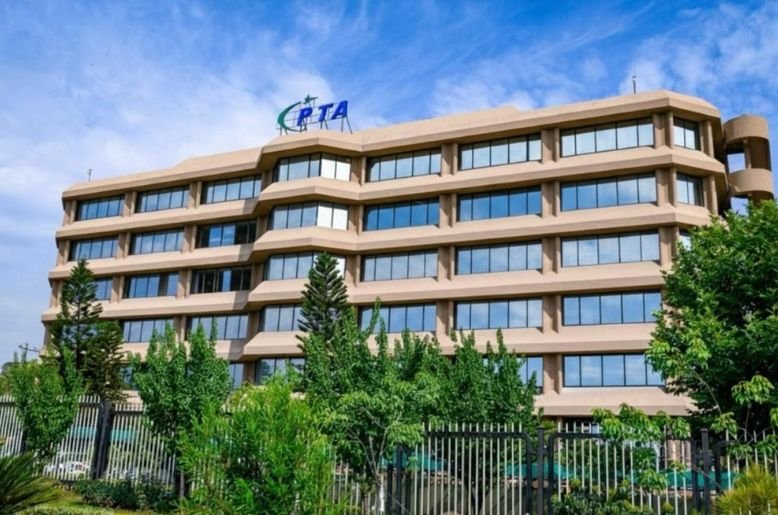
Web desk: The Pakistan Telecommunication Authority (PTA) has formally issued a No-Objection Certificate (NOC) to the Pakistan Telecommunication Company Ltd (PTCL). It allows the state-run operator to move forward with the acquisition of a private telecom company.
According to the PTA, the approval was granted after a comprehensive assessment of regulatory requirements.
The authority reviewed the potential impact of the transaction on market competition and consumer interests before reaching its decision.
Officials said consultations were also held with relevant government departments to ensure full legal compliance.
With the NOC now issued, PTCL has been permitted to initiate the remaining legal and commercial formalities needed to complete the deal.
The PTA emphasised that both companies must maintain uninterrupted services and uphold quality standards throughout the transition period.
They are also required to ensure strict adherence to all licence obligations.
The regulatory body further stated that the acquisition process will be closely monitored to protect consumer rights and ensure transparency at every stage.
PTA warns against unlicensed internet equipment
Previously, the Pakistan Telecommunication Authority (PTA) advised the public not to buy unlicensed internet equipment.
The PTA said using unlicensed equipment can cause legal issues, disrupt network quality, and affect the proper use of radio spectrum.
“The procurement or import of LoRaWAN equipment and its sale without a valid PTA license may constitute a serious violation,” the authority added.
The PTA urged citizens to buy internet-related equipment, including LoRaWAN devices and services, only from licensed Internet of Things (IoT) Low-Power Wide-Area Network (LPWAN) providers.
The authority warned that ignoring these guidelines could lead to legal problems.
Unlicensed equipment can interfere with other licensed services and compromise the quality and security of national IoT networks.