
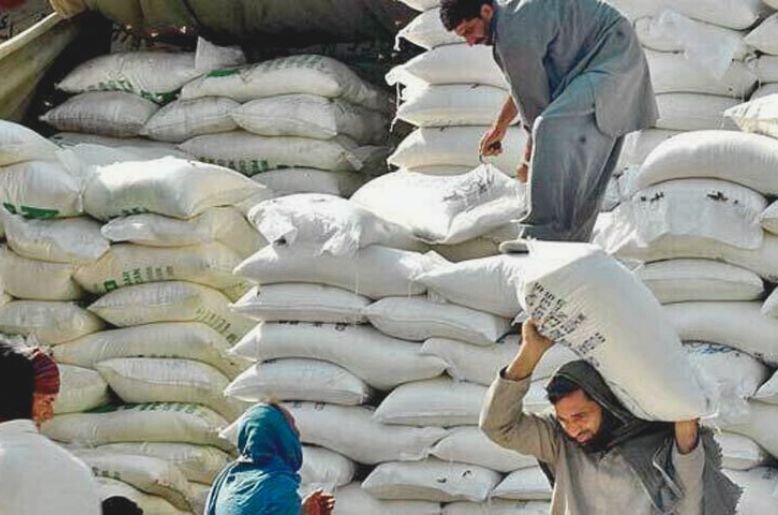
The Punjab government has revised its flour mills policy by blacklisting those flour mills that failed to supply flour at government-fixed rates.
Under the new policy, flour mills that did not deliver the issued flour to markets or violated official pricing regulations have been barred from further government wheat allocations.
The move aims to prevent shortages, discourage profiteering, and stabilise flour prices across the province.
During a survey conducted by Azaad Digital, District Food Controller Umhar Suddique said the government’s first priority was to ensure that the quantity of flour issued to mills actually reached the markets and was sold at officially notified rates.
“We ensured that the issued flour was delivered to markets and sold at government rates,” he stated.
The Punjab government has reiterated that strict action will continue against mills violating regulations. Penalties include heavy fines, suspension or cancellation of licenses, and permanent blacklisting in serious cases.
Officials disclosed that several mills have already faced action for producing substandard flour.
Licenses were canceled and fines imposed on mills found using non-standard or fungus-infected wheat, defective ingredients, or producing flour with excessive moisture content.
Action has also been taken against mills involved in hoarding and price manipulation.
Authorities have been instructed to identify and blacklist mills accused of creating artificial price hikes, tampering with official records, or illegally selling government-subsidized wheat to other provinces.
In a major development, the government uncovered a case of digital forgery involving certain flour mills that allegedly created a fake web portal to generate fraudulent permits.
The scheme reportedly facilitated the smuggling of thousands of tons of flour. Investigations are underway, and those found responsible may face blacklisting and legal action.


