
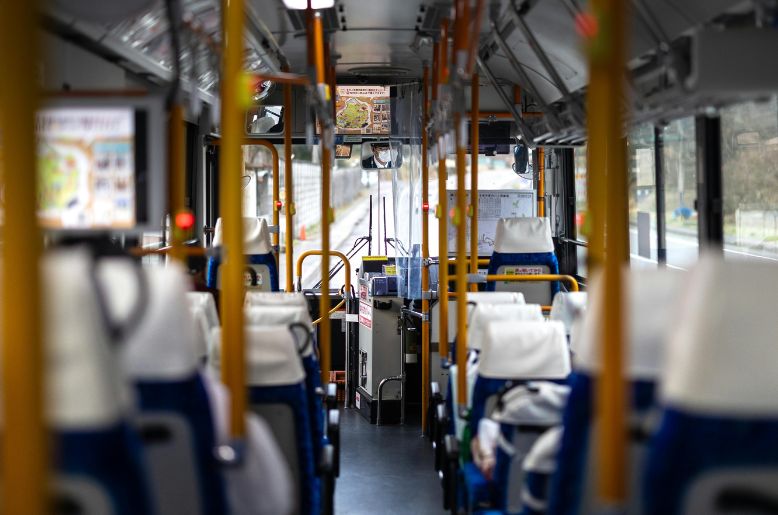
Punjab is set to introduce electric buses in 14 districts by the end of July, according to reports on Monday. The step will be taken as part of the plan to improve public transport across the province.
The Punjab government has said that the new buses will provide cleaner. They will also be more modern transport for people.
Under the plan, Chiniot, Layyah, Okara and Sialkot will each receive 10 electric buses. Lahore, Gujranwala and Multan will each get 12 buses.
Murree, Gujrat, Sheikhupura, Vehari, Kasur, Lodhran, Nankana Sahib and Narowal will each receive 11 electric buses before the end of the month.
The government also announced that another 488 electric buses are expected to arrive in Pakistan by the end of August 2026. These buses will be sent to different districts to further expand the electric bus network.
The government stated that billions of rupees have been set aside under the Annual Development Program (ADP) to improve transport services. And to build better transport infrastructure across Punjab.
Punjab bans shops from charging for plastic shopping bags
Earlier, the Punjab government banned shops and businesses from charging customers extra money for plastic shopping bags across the province.
According to the Director General of the Environment Protection Department, the new rule will come into effect on September 6, 2026.
After that date, no shop, store, or business will be allowed to charge customers separately for plastic shopping bags.
Dr Imran, who is also leading the awareness campaign, said many large brands and businesses charge customers for plastic bags that carry the company’s name and logo. He said this practice will no longer be allowed under the new rules.
But businesses can still charge customers for reusable bags made from cloth or other environmentally friendly materials.
The department has asked people to report any violations. If a shop or brand asks to pay for a plastic shopping bag after September 6, customers can file a complaint by calling the helpline at 1373.
Officials said strict action will be taken against anyone who breaks the rules. Those who break the law may get fined ranging from Rs5,000 to Rs50,000.

