
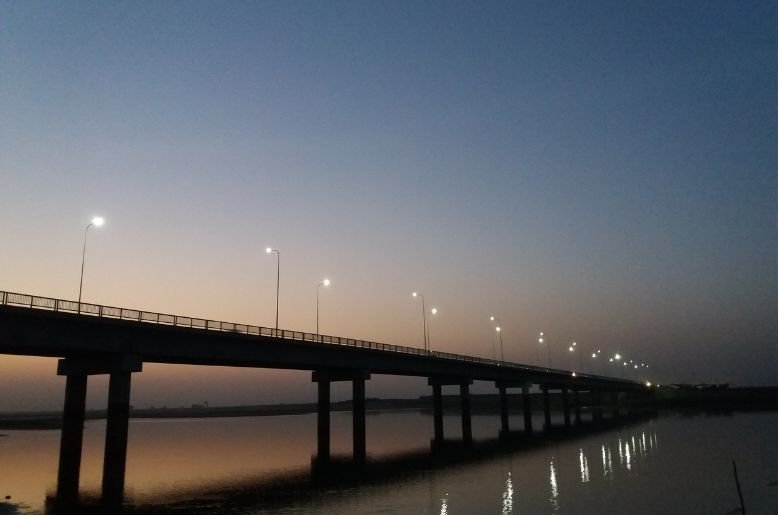
The Ravi bridge is a major infrastructure project in Pakistan that promises to improve connectivity, trade, and transport efficiency in the region. Spanning the Ravi River near Lahore, this bridge is set to become a key link between industrial, commercial, and residential areas. Its construction highlights Pakistan’s ongoing efforts to upgrade its road networks and strengthen economic development through modern infrastructure projects.
This project is not just about building a bridge; it is about creating opportunities for businesses, improving regional trade, and easing the daily commute for thousands of people. By investing in large-scale infrastructure, Pakistan can support economic growth while boosting local industries and employment.
Historical significance of the Ravi River
The Ravi River has played a significant role in South Asian history. Known as Irāvatī in ancient Sanskrit texts, and as Purushni or Irawati in the Vedic period, the river has been an important geographic and cultural landmark. Ancient Greek historians referred to it as Hydraotes or Hyarotis. The river was also the site of historic battles, including part of the Battle of the Ten Kings, which is recorded in the Vedas and referenced in Yaska’s Nirukta.
The river flows through northwestern India and eastern Pakistan, forming a boundary for nearly 50 miles before continuing westward. Its total length is about 725 kilometers, with tributaries like the Ujh River joining it along the way. The river passes key locations such as Dalhousie, Chamba, Amritsar, Lahore, Kamalia, and eventually joins the Chenab River south of Ahmadpur Sial. Historically, long wooden bridges existed to cross Ravi, demonstrating its importance in trade and travel.
Purpose and importance of Ravi bridge
The Ravi bridge is designed to improve transportation links across the Ravi River and reduce congestion in Lahore and nearby industrial zones. By providing a direct route for vehicles and heavy transport, it will significantly decrease travel time between eastern and western Punjab regions.
The bridge is also strategically important for trade. Lahore is a hub for industries including textiles, manufacturing, and logistics. Efficient transport infrastructure like the Ravi bridge supports the movement of goods, reducing costs for businesses, and improving supply chain efficiency. Local commuters, truck drivers, and public transport users will benefit from safer and faster travel routes.
Construction progress
The construction of the Ravi bridge is advancing steadily. Modern engineering techniques are being employed to ensure the bridge is durable, safe, and capable of handling heavy traffic. Large-scale machinery, reinforced concrete, and steel structures are being used to withstand seasonal floods and the strong currents of the Ravi River.
The project includes multiple lanes for vehicles, pedestrian walkways, and adequate safety features such as guardrails and emergency lanes. Construction teams are also taking environmental measures to protect the river ecosystem during and after construction.
The timeline indicates that key milestones such as foundation laying, pillar construction, and deck installation are progressing according to schedule. This shows Pakistan’s commitment to completing the project efficiently while maintaining high construction standards.
Economic impact of Ravi bridge
The Ravi bridge will have a direct and indirect impact on Pakistan’s economy. Directly, it will create jobs during construction, from engineers and construction workers to project managers and technical staff. Indirectly, it will stimulate growth in local industries by improving access to markets and reducing transportation costs.
Once operational, the bridge will facilitate trade between Lahore, surrounding industrial zones, and other parts of Punjab. Reduced travel times and smoother transport of goods can increase productivity for manufacturers and traders. It may also attract new businesses and investors to the region, knowing that infrastructure is reliable and efficient.
Additionally, property values near the bridge are expected to rise. Improved accessibility can lead to new commercial developments, shopping areas, and residential projects. This makes the Ravi bridge not just a transportation project but a driver of urban growth and economic expansion.
Challenges and engineering considerations
Constructing a bridge over a major river like the Ravi comes with challenges. Seasonal flooding, soil erosion, and riverbed stability are key factors engineers must manage carefully. Advanced hydrological studies and environmental assessments are conducted to ensure the bridge remains safe during heavy rains and monsoon seasons.
Traffic management during construction is also critical. Diversion routes and safety measures are implemented to minimize disruption for daily commuters. Proper planning ensures that construction progresses without causing major inconvenience to residents and businesses in Lahore and nearby towns.
Future benefits and connectivity
Once completed, the Ravi bridge will serve as a major link for regional connectivity. It will connect highways, improve access to industrial areas, and integrate with ongoing infrastructure projects such as expressways and logistics hubs. This will strengthen Pakistan’s transport network and support long-term economic growth.
The bridge will also enhance trade efficiency by reducing fuel consumption, travel time, and vehicle maintenance costs. It will encourage more efficient supply chains for manufacturers and exporters. Over time, this infrastructure project will help Lahore and the surrounding region maintain its position as a key economic hub.
Environmental and social considerations
The Ravi bridge project also emphasizes environmental protection. Measures are taken to preserve aquatic life, prevent river pollution, and maintain natural flow patterns. Socially, the bridge improves safety for pedestrians and commuters, reducing accidents and enhancing overall quality of life.
Infrastructure projects like this balance economic development with environmental and social responsibility, which is essential for sustainable growth in Pakistan. Read our full report on Mangla Hydel Power Station set to raise energy to 1,310 MW and learn how this expansion strengthens Pakistan’s power supply.
Final thoughts
The Ravi bridge is more than a bridge. It is a milestone in Pakistan’s infrastructure development. By connecting key areas, supporting trade, creating jobs, and improving urban mobility, it represents the potential of strategic infrastructure projects to transform the economy.
This project shows that careful planning, modern engineering, and environmental responsibility can combine infrastructure that benefits millions of people while supporting long-term economic growth.
Frequently asked questions
1. Where is the Ravi bridge located?
The Ravi bridge spans the Ravi River near Lahore in Punjab, Pakistan.
2. What is the purpose of Ravi bridge?
It improves transport, reduces travel time, and supports trade and connectivity in Punjab.
3. How long is the Ravi bridge construction expected to take?
The project is progressing steadily and is expected to be completed within the planned construction timeline.
4. Will the bridge support heavy vehicles?
Yes. The bridge is designed for multiple lanes and heavy transport vehicles.
5. How will Ravi bridge impact Pakistan’s economy?
It will create jobs, reduce transportation costs, improve trade, and encourage regional development.


