
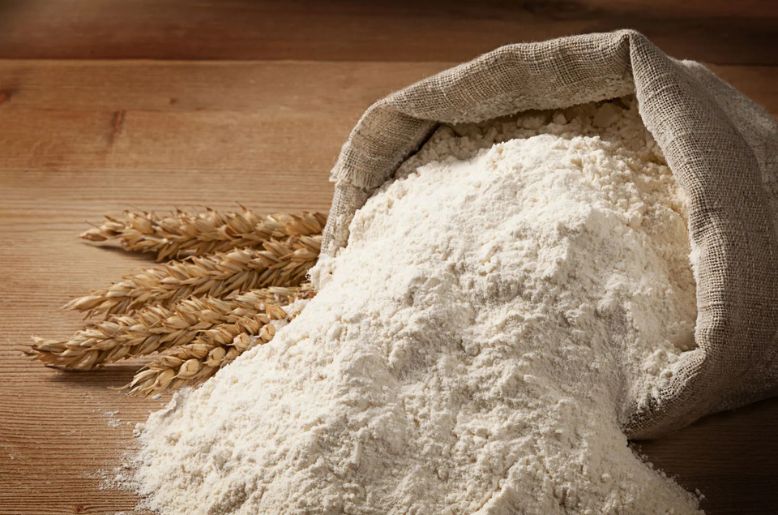
After a Rs400 increase in the price of a 20-kilogram flour bag, the price of roti has also been raised in the city, with the bread previously sold for Rs14 now being sold for up to Rs20 in various areas.
Local bakers said it has become impossible to follow the government fixed rate due to rising costs of LPG, flour and other expenses.
Naan Roti Association leader Aftab Aslam Gul said selling roti at Rs20 had become unavoidable because bakers could no longer cover their expenses by selling it at Rs14.
He stated that the association had repeatedly submitted requests to the authorities regarding the issue but no action was taken.
Aftab Aslam Gul further demanded that the official price of roti be fixed at Rs20 to ensure a clear and practical policy for both bakers and consumers.
Read more: Punjab govt issues summer camp schedule
SPI climbs as chicken, diesel and flour lead increases
Pakistan’s short-term inflation recorded another rise in the latest weekly data, with the Sensitive Price Indicator showing an increase of 0.79 per cent for the week ending May 07, 2026, according to the Pakistan Bureau of Statistics.
The Sensitive Price Indicator tracks the movement of 51 essential commodities across 50 markets in 17 cities. It is updated weekly and is closely watched as a quick measure of inflation trends, helping assess changes in essential living costs in near real time.
The latest figures show that pressure mainly came from food items and fuel costs, which continued to affect household budgets.
Chicken prices saw the sharpest jump during the week, rising by 12.82 per cent. Diesel went up by 5.10 per cent, while wheat flour increased by 3.42 per cent. Petrol also moved higher by 1.66 per cent.
Other items that became costlier included fresh milk, curd, beef, mutton, tea, potatoes, washing soap and cigarettes, though most of these rose at a slower pace.
Some relief in vegetable prices
Not all items moved upward. Prices of tomatoes dropped by 7.08 per cent, offering some relief in kitchen costs. Garlic, eggs, LPG, pulses, onions, rice and gur also saw small declines over the week.
Out of 51 monitored items, 22 became more expensive, 14 became cheaper, while 15 remained unchanged. This shows a mixed trend in weekly inflation pressures.
Read next: Essential food items drive increase in weekly inflation
