El Nino is a natural climate pattern that changes global weather conditions by altering winds, rainfall, and air pressure. According to the World Meteorological Organization (WMO), El Niño conditions may begin between May and July and could be very strong.
According to Dawn News reports, Asia is already dealing with the effects of conflict in the Middle East and may soon face another challenge in the form of strong El Nino. This climate phenomenon could increase energy demand, reduce hydropower production, and harm agriculture across the region.
El Nino disrupts normal weather patterns shift. For instance, rainfall over countries like Indonesia may move away. This will cause droughts and increase the risk of wildfires.
Climate expert Peter van Rensch noted that current ocean temperature patterns resemble those seen before the powerful 1997–98 El Nino, which caused severe environmental damage. However, he also cautioned that there is still uncertainty in the development of the event to fully happen.
The 1997 event led to widespread drought and massive forest fires in Indonesia. Now, similar risks are being monitored again of possibly the lowest rainfall in decades.
At the same time, Asia is facing energy supply issues partly due to tensions in the Strait of Hormuz, a key global trade route. Reduced fuel supply combined with hotter weather could increase electricity demand for cooling. This will put extra pressure on energy systems.
Countries that depend heavily on hydropower could also suffer because lower rainfall reduces water levels needed for electricity generation. Past events, like China’s 2022 heatwave, showed vividly how hydropower shortages can disrupt both homes and industries.
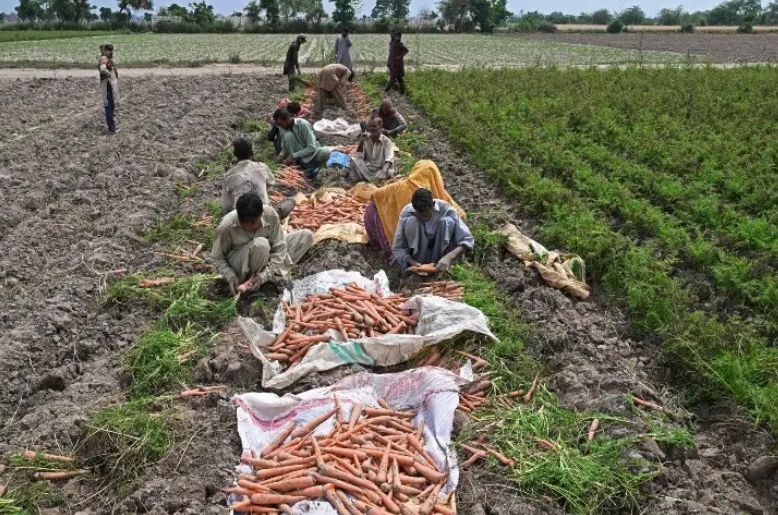
Moreover, in the agricultural sector, hot and dry conditions can reduce crop yields, while rising costs of fuel and fertilisers, which may further weaken food production. This could lead to higher food prices and increased food insecurity.
Resultantly, experts warn that countries should strengthen their energy systems by investing in renewable sources like solar and wind, which are more reliable during extreme weather events.
