
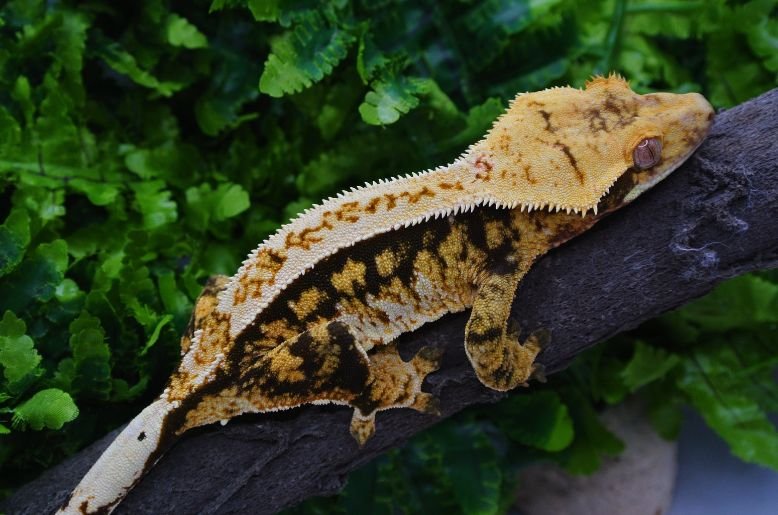
Crested gecko reptiles are wonderful pets. Their smiling faces and easygoing nature make them popular with new and experienced reptile keepers. These small lizards, once thought to be extinct, are now thriving in homes across the country. Giving them the proper care is key to a long and healthy life. A happy gecko is active, eats well, and has bright, clear eyes.
Keeping your crested gecko healthy is not difficult. It just requires attention to their specific needs. This guide provides ten essential tips to help you provide the best possible care for your pet. From their home to their food, we will cover everything you need to know. Follow these steps, and you will build a great bond with your gecko while ensuring it flourishes.
1. Create the Perfect Vertical Home
Crested geckos love to climb. They come from the forests of New Caledonia, where they live in trees. So, their enclosure needs to be taller than it is wide. This vertical space allows them to jump and climb, which is natural behavior for them. A glass terrarium with a screened top is a great choice. The screen allows for good air circulation, which is very important.
For a single adult crested gecko, a 20-gallon tall tank is a good size. This gives them plenty of room to explore. You can always go bigger if you have the space. A larger home gives your gecko more areas to climb and hide. Make sure the enclosure has a secure lid. Crested geckos are excellent climbers and can escape through small gaps.
2. Get the Temperature Just Right
Crested gecko reptiles are comfortable at room temperature. This makes them easier to care for than many other reptiles. They do best in temperatures between 72 and 78 degrees Fahrenheit. They can handle brief periods of slightly warmer or cooler temperatures, but you should avoid extremes.
Never let the temperature go above 85 degrees. High heat can be hazardous and even fatal for them. You usually do not need a heat lamp unless your home is freezing. If you do need extra heat, use a low-wattage ceramic heat emitter or a small heat pad on the side of the tank. Always use a thermometer in the enclosure to monitor the temperature daily. This simple tool helps prevent serious health problems.
3. Maintain Proper Humidity Levels
Humidity is just as important as temperature. Crested geckos need a humid environment to stay hydrated and shed their skin properly. Aim for a humidity level between 60% and 80%. You can measure this with a hygrometer, which you can place inside the tank.
To maintain humidity, mist the enclosure with water every day. Use a spray bottle with clean, dechlorinated water. Mist the tank heavily in the evening. This mimics the nightly rainfall in their natural habitat. The humidity will be high at night and then drop a little during the day. This daily cycle is healthy for them. Proper humidity helps them with shedding and prevents respiratory issues.
4. Provide a Balanced Diet
A proper diet is crucial for healthy crested gecko reptiles. In the wild, they eat fruit and insects. You can replicate this with a high-quality commercial crested gecko diet. These powdered diets are mixed with water to form a paste. They are specially formulated to provide all the vitamins and nutrients your gecko needs. It is a complete meal.
You should offer this food every other day. Place it in a shallow dish where your gecko can easily find it. You can also provide live insects, such as crickets or dubia roaches, as a treat once or twice a week. The insects should be no larger than the space between your gecko’s eyes. Always dust the insects with a calcium and vitamin D3 supplement before feeding. This prevents bone problems. Also, make sure a shallow dish of clean water is always available.
5. Decorate with Lots of Plants and Branches
Your gecko’s home should feel like a mini forest. Fill the enclosure with plenty of branches, vines, and plants for climbing. You can use both artificial and live plants. Fake plants are easy to clean and maintain. If you choose live plants, make sure they are non-toxic to geckos. Pothos and snake plants are safe options.
These decorations do more than just look nice. They provide cover and hiding spots for your gecko. Crested geckos are nocturnal, so they sleep during the day. They need safe, leafy places to hide and feel secure. Having lots of climbing options also encourages exercise, which keeps your pet strong and active.
6. Choose the Right Substrate
Substrate is the material you use on the bottom of the enclosure. For crested geckos, it is best to use a substrate that holds humidity well. Coconut fiber, sphagnum moss, or a bioactive soil mix are all excellent choices. These materials help maintain the proper humidity levels in the tank.
For very young geckos, it is safer to use paper towels as a substrate. Baby geckos can accidentally eat loose substrate, which can cause digestive problems. Paper towels are easy to replace and let you monitor their condition more closely. Once the gecko is older, you can switch to a loose substrate. A clean substrate is vital; spot-clean it daily and fully replace it monthly.
7. Handle Your Gecko Gently and Sparingly
Crested geckos can be handled. However, they require a gentle touch. They lack eyelids and can be stressed by bright lights and sudden movements. When you first get your gecko, give it a week or two to settle in before you try to handle it. Start with short handling sessions of just a few minutes.
Let the gecko walk from hand to hand, a method called “hand walking.” Do not grab or restrain your gecko. If they get scared, they can drop their tail. Unlike other lizards, their tail will not grow back. Always handle your gecko over a soft surface, like a bed or a table, in case it jumps. Building trust is essential. However, it should always be on the gecko’s terms.
8. Understand Their Shedding Process
Like all reptiles, crested geckos shed their skin as they grow. A healthy gecko will shed its skin in one complete piece. You might not even see it happen, as they often eat their shed skin. This is normal and provides them with extra nutrients.
Proper humidity is the key to a good shed. If the humidity is too low, the skin can get stuck. A stuck shed, especially on the toes or the tail tip, can cause problems. It can cut off circulation. If you see a stuck shed, you can give your gecko a “sauna.” Place it in a small container with a warm, damp paper towel for about 20 minutes. This will help loosen the skin.
9. Keep the Enclosure Clean
A clean home is essential for a healthy pet. You should spot clean the terrarium every day. This means removing any waste and uneaten food. The water dish should be cleaned and refilled with fresh water daily.
About once a month, you need to do a deep clean. This involves removing the gecko and all decorations. Scrub the tank and decorations with a reptile-safe disinfectant. Rinse everything thoroughly before putting it back. Replace the substrate at this time. Regular cleaning prevents the buildup of harmful bacteria and keeps your crested gecko reptiles healthy.
10. Watch for Signs of Illness
Knowing the signs of a healthy gecko helps you spot problems early. A healthy gecko is active at night, has clear eyes, and a whole body. If you notice any changes, it could be a sign of illness.
Common signs of illness include a lack of appetite, weight loss, or prolonged inactivity. Look for a runny nose, wheezing, or a stuffy nose. These could indicate a respiratory infection or dehydration. If you are concerned about your gecko’s health, it is always best to consult a reptile specialist. Regular observation is one of the best tools you have as a pet owner.
Don’t miss our in-depth article on A Complete Comparison of Dire Wolf vs Gray Wolf.


