
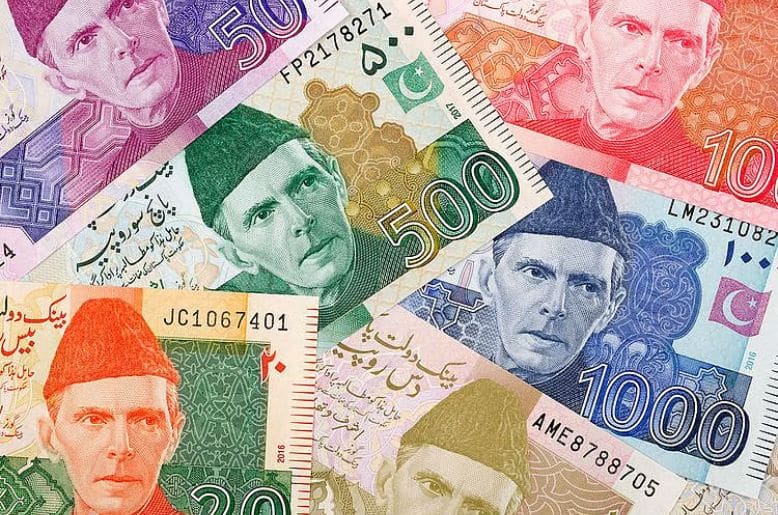
The value of a country’s currency tells a story about its economy. For Pakistan, the Pakistani Rupee (PKR) is a key indicator of the nation’s financial health. Its exchange rate against the US dollar affects everything from the price of imported goods to the value of money sent home by Pakistanis living abroad. For people in the USA, understanding the rupee’s fluctuations is important for business, investment, or personal financial transfers.
In 2025, several major forces are shaping the path of the Pakistani Rupee. This article breaks down the top five factors that influence its value. We will look at how international loans, government policies, and global economic trends come together to determine the strength of Pakistan’s currency. This guide provides a simple, clear analysis of what makes the rupee rise or fall.
Understanding the Pakistani Rupee
The Pakistani Rupee is the official currency of Pakistan. Its symbol is Rs, and its code is PKR. The State Bank of Pakistan (SBP), the country’s central bank, issues and manages the currency. Like many currencies, the value of the rupee is not fixed. It operates on a managed float system. This means its value can change daily based on supply and demand in the global currency market.
The exchange rate, especially against the US dollar, is a constant topic of discussion in Pakistan. A weaker rupee makes imports more expensive, which can lead to higher inflation. This means everyday items cost more for the average person. On the other hand, a weaker rupee can make a country’s exports cheaper and more attractive to foreign buyers. Balancing these effects is a major challenge for Pakistan’s economic managers.
1. International Monetary Fund (IMF) Programs
One of the biggest factors influencing the Pakistani Rupee is the country’s relationship with the International Monetary Fund (IMF). Pakistan has often turned to the IMF for loans to support its economy and manage its balance of payments. These loans, however, come with specific conditions. The IMF requires the government to make certain economic reforms.
These conditions often include raising interest rates, increasing taxes, and cutting government spending. They also typically require Pakistan to let the rupee’s value be determined more by the market. This can lead to a sudden drop in the currency’s value, as we have seen in the past. Adherence to an IMF program can bring stability by providing needed funds and boosting investor confidence. But the tough measures can also slow economic growth in the short term. The status of Pakistan’s current IMF program in 2025 will directly impact the rupee’s strength.
2. Foreign Exchange Reserves
A country’s foreign exchange reserves are like its savings account of foreign currencies, mainly US dollars. These reserves are held by the central bank. They are used to pay for imports, service foreign debt, and stabilize the country’s own currency. When Pakistan’s foreign exchange reserves are high, the State Bank of Pakistan has more power to support the Pakistani Rupee. It can sell dollars in the market to prevent the rupee from falling too quickly.
Conversely, when reserves are low, the central bank has less ability to intervene. This leaves the rupee vulnerable to pressure. Low reserves create uncertainty and can lead investors to sell their rupees, causing the currency to weaken further. A key indicator to watch in 2025 is the level of Pakistan’s foreign exchange reserves. An increase in reserves, often from exports or remittances, is a positive sign for the rupee.
3. Remittances from Overseas Pakistanis
Remittances are money sent home by Pakistanis working abroad. This is a vital source of foreign currency for Pakistan. Each year, Pakistanis living in countries like Saudi Arabia, the UAE, the UK, and the USA send billions of dollars back to their families. These inflows are the largest source of foreign exchange for the country, even more than exports.
When remittances are strong, they increase the supply of dollars in the country. This helps to stabilize the Pakistani Rupee. However, if these flows slow down, it puts pressure on the currency. Economic conditions in the host countries where Pakistanis work can affect the amount of money they send home. Any slowdown in global economic growth can reduce remittance inflows, which would negatively impact the rupee’s value. The government often offers incentives to encourage Pakistanis to send money through official banking channels.
4. Political Stability and Government Policies
Political stability is crucial for a healthy economy and a stable currency. When there is political uncertainty or turmoil, investors become nervous. They may pull their money out of the country, which involves selling the Pakistani Rupee and buying foreign currencies like the US dollar. This increased demand for dollars weakens the rupee.
Government policies also play a major role. Decisions on taxes, trade, and spending have a direct impact on the economy. For example, a government’s budget can signal its priorities. If the government announces a budget with a high deficit (meaning it spends more than it earns), it can create concerns about inflation and debt. This can lead to a weaker currency. Clear and consistent economic policies, on the other hand, build confidence and support the rupee. The political climate in Pakistan during 2025 will be a key driver of the currency’s performance.
5. Inflation and Interest Rates
Inflation is the rate at which the general level of prices for goods and services is rising, and subsequently, purchasing power is falling. High inflation is generally bad for a currency. If prices in Pakistan are rising faster than in other countries, its exports become more expensive and imports become cheaper. This can lead to a trade deficit and a weaker Pakistani Rupee.
To fight inflation, the State Bank of Pakistan can raise interest rates. Higher interest rates can attract foreign investment. Investors may move their money into Pakistan to earn a better return on their savings. This is known as a “hot money” flow. To do this, they must buy rupees, which increases demand for the currency and helps strengthen it. However, high interest rates can also slow down economic growth by making it more expensive for businesses and consumers to borrow money. The central bank’s decisions on interest rates in 2025 will be a delicate balancing act between controlling inflation and supporting growth.
A Look Ahead for the Rupee
The journey of the Pakistani Rupee in 2025 will be shaped by these five powerful factors. The country’s ability to stick to its IMF commitments, build its foreign reserves, and maintain strong remittance inflows will be critical. Furthermore, a stable political environment and smart management of inflation and interest rates will be needed to guide the currency. For anyone watching Pakistan’s economy, these are the key areas to monitor. The interplay between them will determine the value of the rupee on the world stage.
For a deeper look at Pakistan’s economic shifts, read our report on Pakistan’s Total Debt Registers Massive Drop of Rs765 Billion.
Frequently Asked Questions
1. What is the Pakistani Rupee?
The Pakistani Rupee (PKR) is the official currency of Pakistan. Its value changes based on market supply and demand.
2. Why is the IMF important for the rupee?
The IMF provides loans to Pakistan that help stabilize the economy, but these loans come with reform conditions that can affect the rupee’s value.
3. What are foreign exchange reserves?
These are foreign currencies held by Pakistan’s central bank. High reserves allow the bank to support the rupee’s value.
4. How do remittances affect the rupee?
Money sent home by Pakistanis working abroad is a major source of US dollars, which helps strengthen the Pakistani Rupee.
5. Does political stability matter for the currency?
Yes, political instability can make investors nervous, leading them to sell rupees and weaken the currency.
