
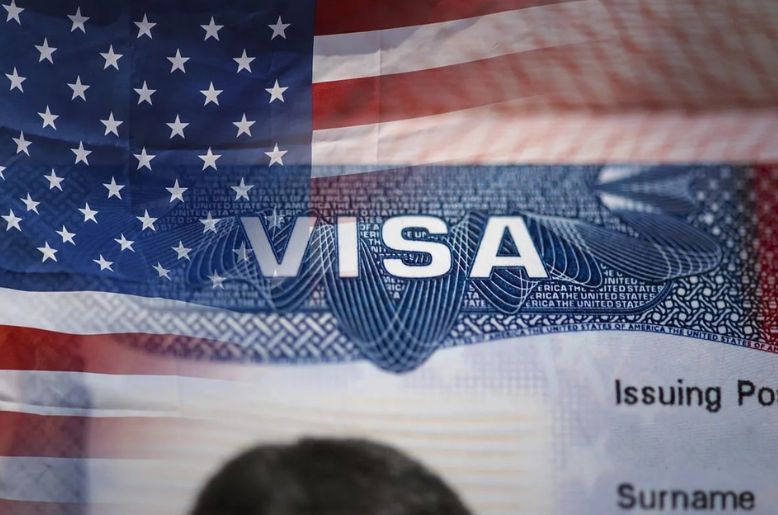
The United States (US) State Department has started issuing diversity visas again following a court order in the case of Medani et al. v. Trump et al.
The decision was confirmed on August 28, 2026. The department had stopped issuing diversity visas at US embassies and consulates in December 2025.
The suspension was introduced while officials reviewed the screening and security checks used for visa applicants. The court order has now ended the suspension.
What is the deadline for visa issuance?
Officials have warned that the process must move quickly. Diversity immigrant visas must be issued by September 30 of the relevant fiscal year.
If the deadline passes, unused visa numbers cannot be carried forward.
The decision has reopened an important immigration route for people who were affected by the suspension.
However, applicants now have limited time to complete the process before the September 30 deadline.
US visa rules revised
Pakistan is not included in the United States’ new Visa Bond programme, according to recent reports.
Under the programme, US consular officers can ask some visa applicants from 50 listed countries to pay a bond of up to $20,000 before they can receive a visitor visa.
The programme started on August 1 and applies to B-1 business visas and B-2 tourist visas.
Pakistan is not included in the list published in the US Federal Register. Bangladesh and Nepal are among the South Asian countries included in the programme. India has not been included.
Afghanistan and Iran are also not part of the programme. The US does not have normal diplomatic relations with either country.
How will the visa bond work?
Applicants from the listed countries may be asked to pay between $10,000 and $20,000 as a visa bond.
The money can be returned if the person follows all visa rules and leaves the US before their authorised stay ends.
However, applicants who overstay or break the conditions of their visa could lose the bond.
The bond will not be required from every applicant. US consular officers will decide each case separately and will determine whether an applicant needs to pay the bond.

