
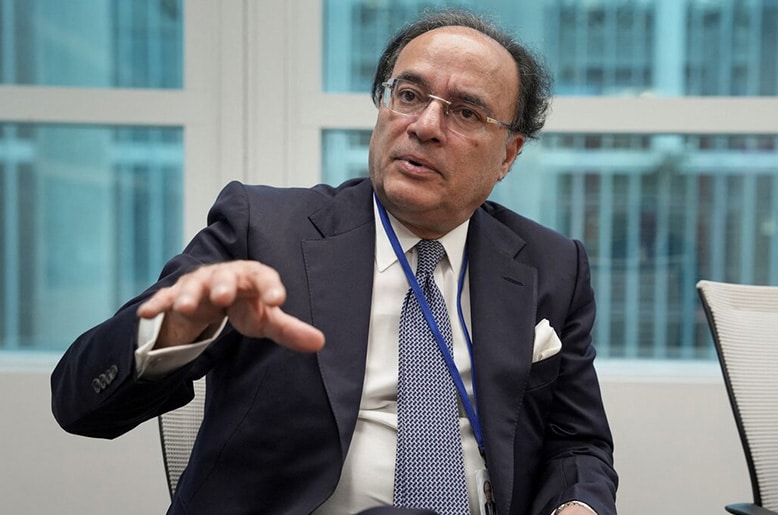
Pakistan’s economic recovery could face fresh pressure from the ongoing conflict in the Middle East, with Finance Minister Muhammad Aurangzeb warning that prolonged tensions may affect both growth and inflation.
Speaking at the “Partnerships That Power Progress” event organised by Pakistan EXIM Bank in Islamabad on Monday, Aurangzeb said the government remained confident about the economy’s growth prospects despite the rising risks.
“We are on our way from stabilisation to growth,” he said, adding that the government expects economic growth to exceed 4 percent in the current fiscal year.
However, the minister acknowledged that the ongoing conflict could change that outlook.
“It’s obviously a function of the ongoing conflict, which has implications for inflation and GDP,” Aurangzeb said, expressing hope that a lasting solution to the crisis would emerge soon.
The comments come as tensions in the Middle East continue to rise. The conflict has also disrupted shipping through the Strait of Hormuz, a key global oil route that carried around one-fifth of the world’s oil supply before the crisis.
For Pakistan, prolonged disruption could increase import costs and add to inflationary pressures, while also making economic growth harder to sustain.
Aurangzeb said the government’s bigger challenge now was not simply achieving growth, but making it sustainable.
He stressed that future growth must be driven by exports and the private sector rather than government spending.
The finance minister pointed to measures announced in the latest budget, including a reduction in super tax and the removal of advance tax, as steps aimed at supporting exporters.
He also said exporters were being offered financing at 4.5 percent despite the policy rate standing at 11.5 percent.
Aurangzeb said Pakistan EXIM Bank would play an important role in providing export refinance and long-term financing to businesses.
He added that Pakistan must broaden its export base by developing new products and services and reaching new international markets.
Read next: Aurangzeb pushes transparent drug pricing to keep medicines affordable
