
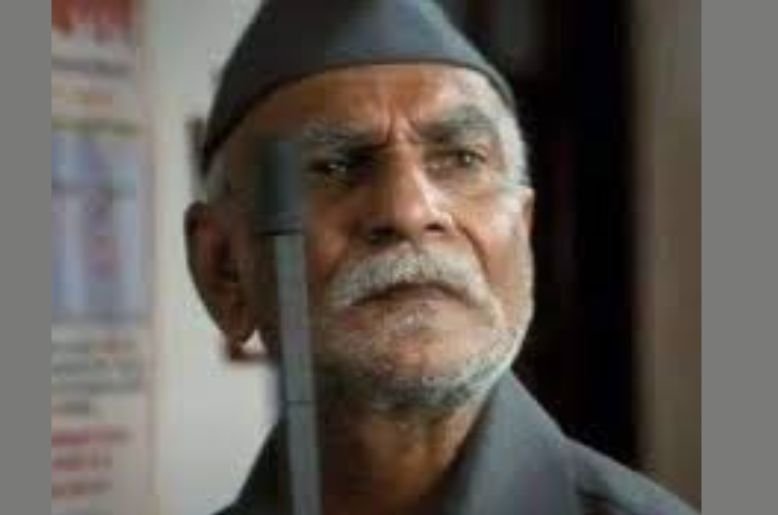
Political stories in Pakistan often take strange turns. Names of ordinary people suddenly become headlines. You might hear about a clerk, a gardener, or a driver. One such name that captured everyone’s attention is Maqsood Chaprasi. This name flooded social media feeds and news channels. It became a symbol for something much bigger than just one person.
Why did this happen? Why did people care so much? This article looks deep into the story. We will explain why this specific name became so famous. We will also look at what this means for politics in Pakistan.
The Sudden Fame of a Common Name
Maqsood Chaprasi was not a politician. He was not a celebrity. He was a simple employee. Yet, his name appeared in major financial investigations. The public found this contrast fascinating. Usually, scandals involve rich business owners. This time, the central character was a low-level worker.
This contrast is the first reason for the viral fame. People in Pakistan understand the struggle of the working class. They know a “chaprasi” or peon earns a small salary. So, when news reports linked millions of rupees to his accounts, shock followed. It did not make sense to the average citizen. The math did not add up. This confusion sparked conversations in every tea shop and drawing room.
Breaking Down the “Everyman” Symbol
The name Maqsood represents the common man. In Pakistan, many people work hard for little pay. They struggle to pay bills. When they saw a peon linked to massive wealth, it felt personal. It highlighted a broken system.
People felt that the rich use the poor. They saw Maqsood not as a criminal, but as a tool. Powerful figures often hide behind weak ones. This narrative struck a chord. It made people angry and curious at the same time. The name became a meme. It became a joke on Twitter. But underneath the humor was real frustration about corruption.
How Social Media Fueled the Fire
Social media played a huge role here. Twitter and Facebook users love catchy phrases. “Maqsood Chaprasi” rolls off the tongue easily. It sounds like a character from a movie. This quality made it perfect for hashtags.
Political parties used the name as a weapon. Opponents used it to attack the leadership. Supporters tried to defend it or deflect. This back and forth kept the name alive. Every time a leader mentioned it in a speech, searches spiked online. Google Trends showed massive interest. People wanted to know the face behind the name.
The Role of Memes and Humor
Pakistanis often use humor to deal with bad news. When the economy is down, memes go up. The story of Maqsood Chaprasi was serious. It involved money laundering allegations. But the internet turned it into dark comedy.
Users made videos. They wrote funny captions. They imagined what a billionaire peon would buy. This humor made the story travel faster. Serious news reports can be boring. Funny memes are shareable. This helped the name reach young people who ignore politics. It bridged the gap between serious news and entertainment.
Deep Dive: The Systemic Issue
We need to look beyond the jokes. This story exposes deep flaws in the banking and legal systems. How can huge sums move through accounts unnoticed? This is the real question.
The case of Maqsood Chaprasi showed how loopholes work. It showed that banks might not check the sources of funds for everyone. Or perhaps, powerful people can bypass rules. This realization scares the common citizen. If someone can use your ID to move money, you are at risk.
Fear of Identity Theft
The story made people worry about their own data. Many workers give their ID cards to employers. They trust their bosses. This case showed that trust can be broken. Your identity could be used without your knowledge.
This fear added to the resonance of the story. It was not just about politics anymore. It was about personal safety. People started asking questions. “Is my bank account safe?” “Does my employer use my name?” These are valid fears in a digital age.
Politics vs. The Reality of Maqsood
Politicians shout names to win votes. They do not often care about the human cost. Maqsood Chaprasi passed away during the investigation. This tragic turn changed the mood.
Suddenly, the memes felt cruel. The reality set in. Here was a real person with a family. He was caught in a storm he likely did not create. His death brought a wave of sympathy. It reminded everyone that real lives are at stake.
The Narrative Shift
After his passing, the tone online shifted. People stopped laughing. They started asking for justice. They wanted to know the truth about his death. Was it natural? Was it stress? The mystery deepened the interest.
This shift proves that the online audience has a heart. They enjoy the drama, but they respect tragedy. The story moved from a political scandal to a human tragedy. This emotional connection is why the name is still remembered. It is a sad chapter in our political history.
Why the Name Sticks in Memory
Some names fade away quickly. Maqsood Chaprasi stays. Why? Because it is unique. It is not a generic name. The addition of his job title “Chaprasi” makes it specific. It defines his class and his role.
This specificity helps memory. Our brains remember distinct details. A “rich businessman” is a vague concept. A “peon with millions” is a specific image. Writers and journalists know this. They used the full title every time. This repetition cemented it in the public mind.
Symbol of Unchecked Power
Ultimately, this name is a symbol. It represents unchecked power in Pakistan. It shows how the elite operate. They live in a different world than the common man. They play by different rules.
The resonance comes from a desire for change. People share the story because they want the system to improve. They want a country where a peon is just a peon. They want a country where laws apply to everyone. Sharing this story is a form of protest. It is a digital shout for equality.
The Economic Context
We cannot ignore the money aspect. Inflation hurts everyone in Pakistan. People count every rupee. When they hear about billions being laundered, it hurts.
The Maqsood Chaprasi case involved huge numbers. These numbers feel like a slap in the face to the poor. While people queue for flour, others move millions. This economic pain fuels the online anger. The name becomes a target for all financial frustrations.
Comparing Lifestyles
Social media allows us to see how others live. We see the rich and the poor side by side. This story highlighted that gap. It showed the extreme inequality in society.
Analysis shows that viral stories often touch on inequality. Humans care about fairness. When we see unfairness, we react. We comment. We share. And, we want others to see it too. This psychological trigger is powerful. It keeps the story on the front page of the internet.
What We Learned from the Maqsood Saga
We learned that politics is a dirty game. We learned that the small man often pays the biggest price. But we also learned about the power of attention.
The public is now more aware. They watch financial news more closely. They understand terms like “money laundering” better. In a way, this case educated the public. It raised financial literacy, even if through a scandal.
The Future of Such Narratives
Will there be another Maqsood Chaprasi? Likely yes. As long as corruption exists, these stories will appear. But the public reaction might change. People might be more skeptical next time. They might ask for proof sooner.
The legacy of this name is awareness. It serves as a warning. It warns the powerful that eyes are watching. And, it warns the common man to protect his identity. The resonance online is a sign of an awakening society.
For more entertaining meme trends like Maqsood Chaprasi, check out our post on Top Thank You Memes to Express Gratitude to see how humor brings people together online.
Frequently Asked Questions
Who was Maqsood Chaprasi?
He was a low level employee whose bank accounts were allegedly used for money laundering investigations involving high-profile politicians.
Why is the name Maqsood Chaprasi famous?
The name went viral because it highlighted the massive gap between a poor worker and the millions of rupees found in his accounts.
Did Maqsood Chaprasi have millions of rupees?
Investigators claimed his accounts held millions, but he lived a modest life, suggesting he did not own or control that money personally.
What happened to Maqsood Chaprasi?
Sadly, he passed away due to cardiac arrest while the investigations into the money laundering case were still ongoing.
Why do people call it a system failure?
It shows a failure because banks allowed huge transactions in a worker’s account without flagging it, showing weak financial monitoring.


