
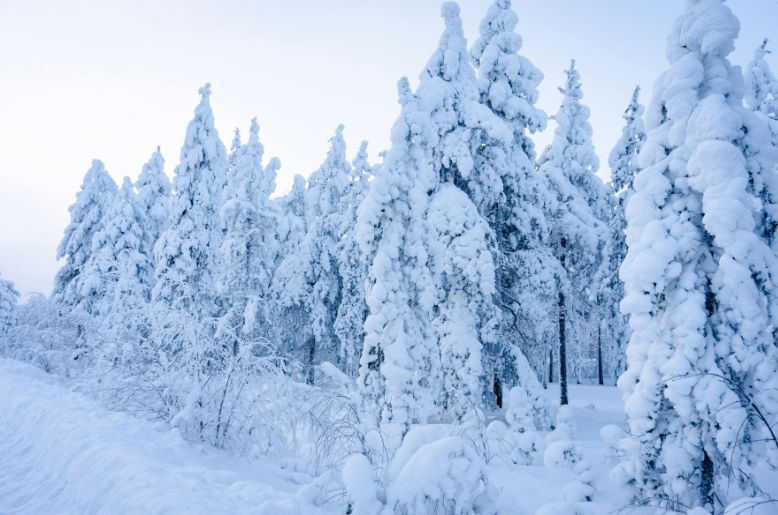
The year’s first snowfall has covered the mountains of Upper Swat and Kalam Valley in Khyber Pakhtunkhwa, according to reports today. Babusar Top has also received snowfall.
The snowfall has covered the mountains and trees with a white layer. It has also made the natural views more beautiful.
Cold weather intensifies
The snowfall has brought colder weather to Upper Swat and Kalam. Strong cold winds have also caused a clear drop in temperatures.
Local people have started wearing warm clothes to protect themselves from the cold. Tourists are also showing interest in the beautiful snowfall scenes.
Tourists expected to visit the areas
Upper Swat, Kalam, Mahodand and Utror often receive snowfall during winter. These areas are located more than 2,000 metres above sea level.
Babusar Top is also a popular tourist destination. Snowfall there attracts visitors who want to enjoy the winter scenery.
Local people see the first snowfall as good news for tourism. More visitors are expected to travel to Kalam and other mountain areas from different cities.
How can the snowfall help with the water supply?
Snowfall is important for tourism and the local economy. It also helps maintain water supplies.
When the weather becomes warmer, melting snow adds water to rivers. It also helps recharge underground water sources.
Additionally, Kalam and its surrounding high mountains have received fresh snowfall. It has further enhanced the scenic beauty of the valley. The snowfall has also intensified the cold weather in the area.
Following the fresh snowfall, the mountains and lush forests of Kalam have been covered in a white blanket of snow.
Temperatures have dropped following the snowfall in the upper areas, making the weather even colder.
Separately, the Pakistan Meteorological Department (PMD) has forecast a new spell of rain in September.
The PMD cautioned that heavy rains on the night of September 3 and September 4 could lead to urban flooding. This could be seen in the low-lying areas of Islamabad/Rawalpindi, Mardan, Swabi, Peshawar, Gujranwala, Gujrat and Sialkot.

