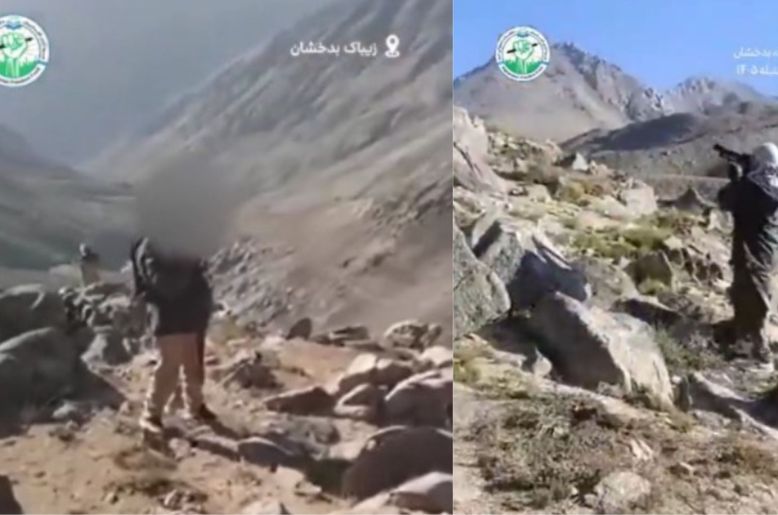
Armed resistance against the Afghan Taliban regime is intensifying, with resistance operations expanding to several regions across Afghanistan. Over the past week, resistance groups carried out 10 armed attacks in Kabul, Sar-e-Pul, Kandahar, Badakhshan, Kunar, Nuristan, Parwan and Paktia.
According to sources, the attacks targeted Taliban checkpoints, vehicles, gatherings and personnel, resulting in the deaths of 17 Taliban members and injuries to 10 others.
The Afghan Taliban regime is facing growing armed resistance, with opposition groups claiming an increase in attacks across the country. Over the past week, resistance groups reportedly carried out 10 armed operations in Kabul, Sar-e-Pul, Kandahar, Badakhshan, Kunar, Nuristan, Parwan and Paktia, targeting Taliban checkpoints, vehicles, gatherings and personnel. The reported attacks resulted in the deaths of 17 Taliban members and injuries to 10 others.
The Afghanistan Freedom Front (AFF) has intensified its operations in Nuristan and Sar-e-Pul, claiming that its fighters seized several Taliban positions and pushed back regime forces in parts of Nuristan and Kunar. Meanwhile, the Afghanistan United Front, led by former Afghan Army General Sami Sadat, has continued operations in Kandahar, Kabul and Badakhshan, targeting Taliban command and intelligence centres.
Separately, the National Independence Front (NIF) has claimed attacks on Taliban military vehicles and security checkpoints in Paktia, Salang and Kandahar.
According to resistance groups, 39 armed operations have been carried out across Afghanistan so far in September, resulting in more than 69 reported Taliban fatalities and 30 injuries.
Supporters of the resistance view the escalation as evidence of growing opposition to Taliban rule, arguing that sustained armed resistance could weaken the group’s control. However, the scale and impact of these operations, as well as casualty figures, remain subject to independent verification.