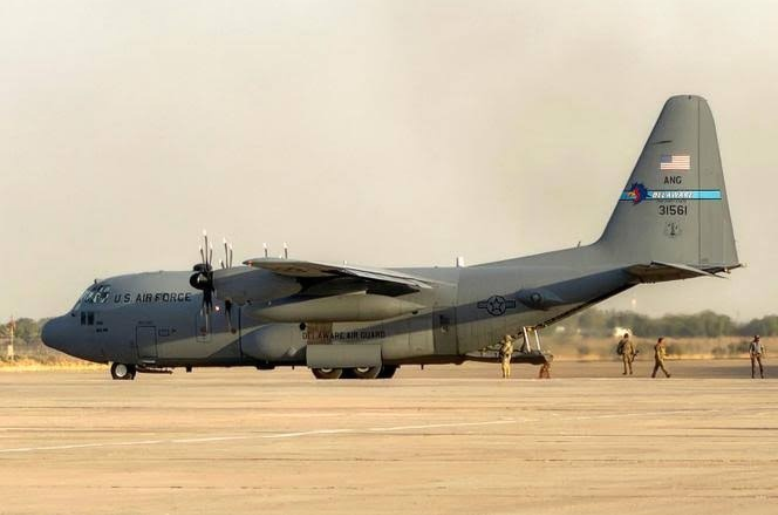
The US-led coalition ends mission in Iraq after more than a decade of operations against the Islamic State group. The final withdrawal marks a major change in Iraq’s security landscape. Coalition forces entered Iraq and Syria in 2014. They launched operations after Islamic State militants seized large areas of both countries. The group also carried out attacks and mass killings during its territorial expansion.
Iraqi forces, supported by the coalition, defeated the Islamic State in Iraq in 2017. The group also lost its territorial control in Syria by 2019. However, coalition forces remained in Iraq to target remaining militants.
Coalition completes final withdrawal
Baghdad and Washington agreed in 2024 to gradually end the coalition mission. Foreign troops then reduced their presence across Iraq. The remaining coalition forces moved mainly to Iraq’s northern Kurdistan region. Their final withdrawal is scheduled for Wednesday, September 30. The US-led coalition ends mission in Iraq as the country seeks greater control over its security affairs. Iraqi officials have described the departure as an important step toward national sovereignty.
Prime Minister Ali al-Zaidi said October 1 should become Iraq’s Sovereignty Day. The date follows the coalition’s final departure from the country. Iraq’s executive, legislative and judicial leaders also backed the move. They said the occasion would highlight the authority of state institutions.
Iraq faces questions over armed groups
The coalition withdrawal also affects Iraq’s ongoing debate over armed groups. The Iraqi government wants weapons to remain under state control. Officials previously set September 30 as a deadline for armed factions to disarm. The government later removed that deadline while negotiations continued. Several powerful factions have resisted giving up their weapons. They have also demanded an end to foreign military involvement in Iraq. Some groups have welcomed the departure of US-led forces. Kataeb Hezbollah described the withdrawal as a step toward greater sovereignty.
However, the group also issued a warning against the Iraqi government. This shows that disagreements over weapons and political power remain unresolved.
Coalition mission changed after Islamic State defeat
The coalition initially focused on fighting the Islamic State. Its forces worked alongside Iraqi security forces during major military operations. After the group lost its territorial control, the coalition’s presence became more controversial. Some Iraqi factions demanded the removal of US forces. Those factions later carried out drone and missile attacks against US positions. The United States responded with strikes against some faction commanders. The end of the mission therefore closes a long chapter in Iraq’s recent security history. It also places greater responsibility on Iraqi institutions. The US-led coalition ends mission in Iraq while Baghdad continues efforts to strengthen state control. The government must now manage security challenges without the coalition’s previous military presence.
The transition could also shape future relations between Iraq, the United States and other foreign partners. Officials are expected to focus more on Iraq’s independent security capabilities.
For more updates on the Middle East conflict, Iran Hormuz Plan: Trump reportedly rejects Iran proposal.