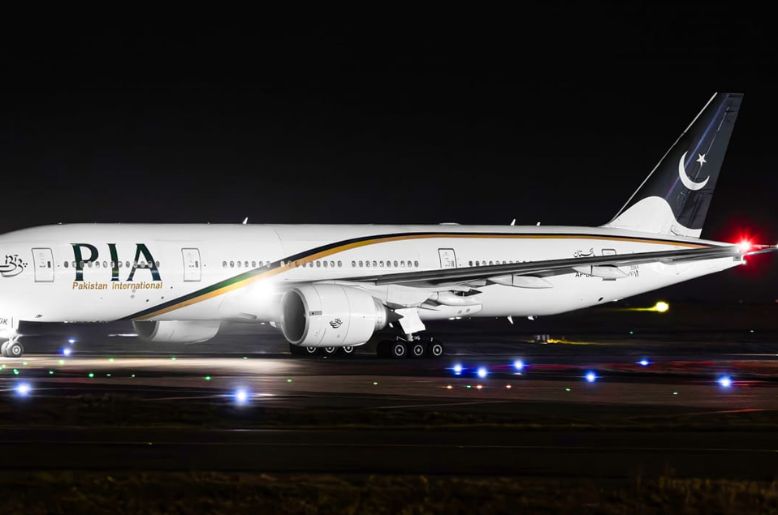
The government of Pakistanhas raised the flight tickets price by Rs9.05 per litre.
The price of JP-1, or aviation turbine fuel, rose to Rs355.52 per litre from Rs346.47 on 3 October.
The increase comes amid continued volatility in international oil and refined-fuel markets, driven by fluctuations in crude prices, supply disruptions, geopolitical tensions and higher import costs.
The latest adjustment does not automatically mean that airfares will rise. Airlines will decide whether and how much of the additional cost is passed on to passengers, depending on demand, competition and other operating expenses.
The government has also increased the prices of several other petroleum products.
Kerosene rose by Rs7.68 per litre, from Rs321.86 to Rs329.54.
Petrol increased by Rs2.10 per litre to Rs392.76, while high-speed diesel rose by 30 paisa to Rs399.64.
The changes come as Pakistan continues to face exposure to movements in international energy prices because of its reliance on imported petroleum products.
Jet fuel prices in Pakistan have experienced significant swings during 2026.
The price was around Rs188 per litre in late February before rising sharply as international energy markets reacted to heightened geopolitical tensions.
In March, one major adjustment increased the price by about Rs154 per litre, taking it to roughly Rs342. Subsequent increases pushed jet fuel into the Rs476.97 to Rs517 per litre range.
Prices later declined as international markets moderated and geopolitical pressures eased.
By late June, jet fuel had fallen to about Rs231.72 per litre following a reduction of Rs7.15.
Prices then began moving higher again between July and September, fluctuating broadly between about Rs290 and Rs380 or more per litre.
In late September, the price reached around Rs376.76 before falling towards the Rs316-Rs346 range.
At the beginning of October, jet fuel was priced at Rs346.47 per litre before the latest Rs9.05 increase.
Pakistan’s aviation sector has already faced considerable cost pressures in recent years, including fuel-price volatility and changes in the exchange rate.
The latest increase therefore adds another potential cost for airlines, although it is too early to say whether it will result in a broad increase in airfares.
