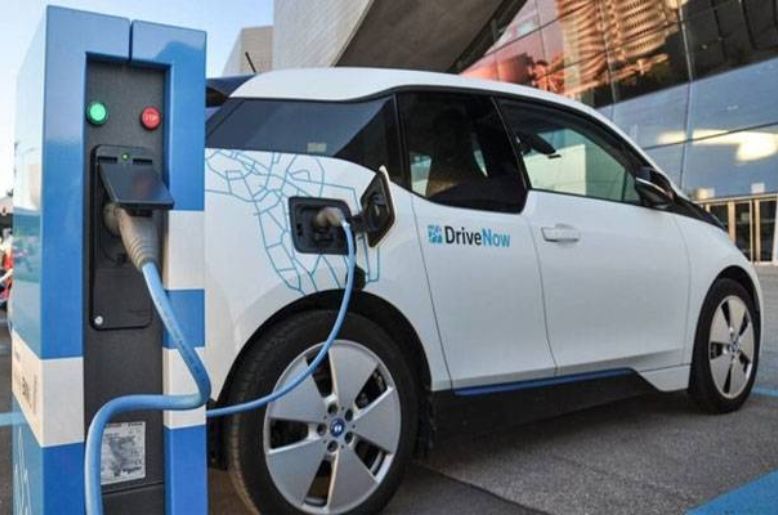
Rising petrol prices have significantly increased demand for electric vehicles in the Philippines, where registrations of electric and hybrid vehicles rose by 130 per cent during the first eight months of this year compared with the same period last year.
According to foreign media reports, registrations of these vehicles exceeded 67,000 between January and August 2026, while electric vehicles accounted for nearly a quarter of the country’s total passenger vehicle sales.
The report said petrol prices in the Philippines increased by 68.3 per cent following US and Israeli attacks on Iran in late February, making it the fourth-largest increase in fuel prices globally. The Philippines imports almost all the fuel it requires, while limited public transport options and the absence of government fuel subsidies have intensified the impact of rising prices on citizens.
Patrick Aquino, director of the Energy Utilisation Management Bureau at the Philippine Department of Energy, said demand for electric vehicles had surged exceptionally, forcing buyers to wait for bookings, make advance payments and receive deliveries. He said the government was also taking steps to promote electric vehicle adoption, with a target of converting half of the country’s taxis and government vehicles to electric models by 2030.
Sales by Chinese electric vehicle manufacturer BYD have also increased significantly in the Philippines. According to Bob Palanca, the company’s managing director in the country, BYD delivered 28,399 vehicles between January and August this year, representing a 99 per cent increase compared with the same period last year.
He said the company had achieved its full-year 2025 sales target four months ahead of schedule and expected this growth momentum to continue during the remaining months of 2026 and into 2027.
According to AC Mobility, the operator of the country’s largest electric vehicle charging network, electric vehicles accounted for approximately 25 per cent of vehicle sales in the Philippines this year. The figure stood at 12 per cent in 2025 and just 4 per cent in 2024.
The government is also seeking to extend duty exemptions on electric vehicle imports beyond their scheduled expiry in 2028 to keep these vehicles relatively affordable for consumers.
However, growth in electric motorcycle sales has been comparatively slow. Officials say the widespread use of conventional motorcycles and locally operated public transport vehicles known as jeepneys continues to sustain overall petrol demand.
Patrick Aquino said electric motorcycles could become more popular if their prices fell. He added that electric motorcycles offered by companies such as VinFast for less than 100,000 Philippine pesos could make the technology more accessible to consumers.
The situation in the Philippines demonstrates how rising fuel prices can encourage consumers to switch to alternative modes of transport. However, the cost of electric vehicles, the availability of charging facilities and import policies will play crucial roles in determining how quickly this trend develops in the future.