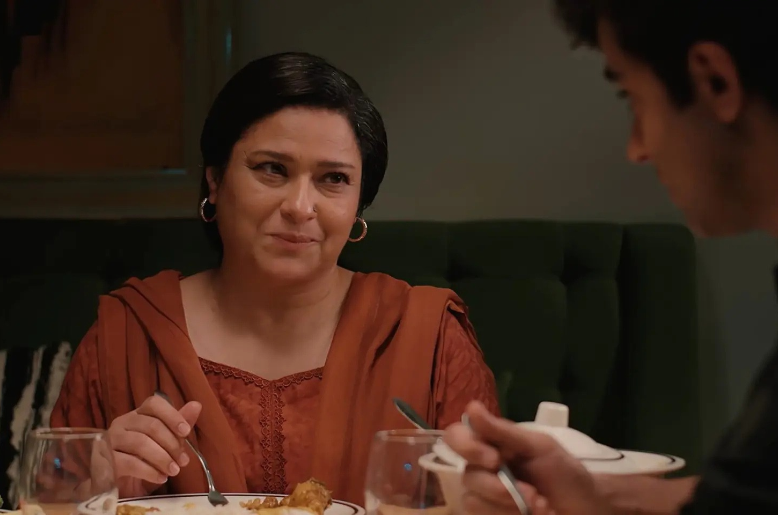
The Pakistani drama Dar-e-Nijaat has started an important conversation about family values, relationships, trauma, and women’s lives. Veteran actor Sania Saeed has shared her views on the show’s themes and the expectations Pakistani society places on women. In an interview with BBC Urdu, Saeed spoke about morality, parenting, and the way people respond to family problems. She explained that morality remains a common subject in Pakistani entertainment. Her comments highlight a major issue in Pakistani dramas. Viewers often judge women’s decisions through social and moral expectations. At the same time, they may praise men who follow family rules without asking questions.
The Dar-e-Nijaat drama brings these ideas into its story through relationships, marriage, and the behavior of its main characters. It also raises questions about whether marriage can solve emotional pain and whether parents should expect complete obedience from their children. Saeed’s comments offer viewers another way to understand the drama. Instead of watching only for romance and family conflict, audiences can also think about the social messages behind the story.
What Is Dar-e-Nijaat Drama About?
Dar-e-Nijaat is a Pakistani television drama that focuses on relationships, emotional struggles, marriage, and family expectations. The story features Zaryab, played by Durefishan Saleem, and Abu Bakar, played by Sheheryar Munawar. Sania Saeed plays Khushbakht, Abu Bakar’s mother. Nameer Khan plays Zamil, who has an important role in Zaryab’s personal life. Zaryab has a long relationship with Zamil. However, her life takes a different direction when Zamil marries another woman. Zaryab later marries Abu Bakar, bringing new questions about relationships and emotional healing into the story.
The drama uses these relationships to show how personal choices can affect several people. It also examines the influence of parents on their children’s decisions. For Pakistani viewers, these themes may feel familiar. Family members often play a major role in marriage decisions. Social expectations can also make it difficult for people to speak openly about their feelings. The drama provides a starting point for thinking about these issues. Its story also encourages viewers to consider whether traditional solutions always lead to healthy relationships.
Fans eagerly await ARY’s ‘Dar-e-Nijat’ as teaser raises excitement.
Sania Saeed Explains Why Pakistani Dramas Focus on Morality
Sania Saeed believes that Pakistani entertainment often reflects the values and expectations of its audience. Morality remains a common subject in stories about women, marriage, and family relationships. This focus can influence how viewers judge characters. A woman who makes an independent choice may face criticism. People may question her decisions instead of trying to understand her situation. Such reactions can affect how writers develop their stories.
Television channels want to attract viewers, while writers often work with themes that audiences already understand. As a result, dramas may repeat familiar ideas about right and wrong. However, morality is not always simple. People can make mistakes, experience emotional pain, and change their views over time. A person’s difficult circumstances also deserve attention. The discussion around Dar-e-Nijaat encourages viewers to look beyond a character’s actions. They can also consider the reasons behind those actions and the social pressures that influence them. This does not mean every decision should be accepted without question. It means viewers should consider the full situation before judging someone.
Why Trauma and Emotional Healing Matter in the Story
One of the most important points in Saeed’s comments concerns emotional trauma. She questioned the idea that a person can move directly from one painful experience into another relationship. She explained that people need time to heal after difficult experiences. Moving from one traumatic situation into another may not be the healthiest way to deal with emotional pain. This point is important because many romantic dramas use marriage as the main solution to personal problems.
In real life, emotional healing can take time. A person may need space to understand their feelings and rebuild confidence. Support from trusted people can also help. Marriage alone cannot guarantee emotional stability. Two people may care for each other, but they still need trust, communication, and mutual respect. The story of Zaryab makes this issue especially relevant. Her relationship with Zamil ends in a way that changes her future. Her later marriage to Abu Bakar raises questions about what she needs emotionally and whether a new relationship can address her earlier pain.
Viewers can consider several questions while watching the story:
- Does a character have enough time to process a painful experience?
- Is a marriage based on emotional readiness and mutual understanding?
- Do family members listen to the person’s feelings?
- Does the story show healing as a personal process?
These questions can make the viewing experience more meaningful. They also help audiences separate dramatic storytelling from real-life relationship advice.
Can Marriage Solve Every Personal Problem?
Saeed pointed to a familiar belief in Pakistani society. When two people reach a marriageable age and experience a problem, some people quickly suggest marriage as the solution. She said writer Umera Ahmed tried to address this issue through the drama. This belief can create pressure for people who are already dealing with difficult situations. Marriage is an important decision. It affects emotional well-being, family relationships, finances, and future plans. People should make this decision with care rather than treating it as a quick answer to every problem.
A person who has experienced heartbreak may need time before starting another relationship. Someone facing family pressure may need the freedom to express concerns. Another person may need support to understand what they want from life. Marriage can provide companionship and support when both partners are ready. However, it cannot automatically remove grief, fear, or unresolved conflict.
The message is not that marriage is a bad choice. Instead, the decision should depend on the people involved and their circumstances. This is one reason the dar e nijaat drama can connect with viewers. Its central relationships reflect questions that many families face. The story invites people to think about whether social expectations always match individual needs.
A Different Kind of Mother-Son Relationship
Sania Saeed also spoke about the relationship between her character, Khushbakht, and Abu Bakar, played by Sheheryar Munawar. She questioned why some viewers appreciate their relationship so strongly. In her view, parents often want children who obey them without asking questions. She also described Abu Bakar as an unusual character because of the way Khushbakht raised him.
This observation raises an important question about parenting. Should a good son always agree with his parents, or should he be able to think independently? In many families, obedience is seen as a sign of respect. Parents may expect children to accept their advice because they believe they know what is best. Respect matters, but it does not require a child to agree with every decision. Healthy family relationships allow people to ask questions and explain their concerns. Parents can guide their children while also listening to their opinions. Children can respect their parents while making responsible choices for themselves.
The relationship between Khushbakht and Abu Bakar offers a way to examine these expectations. Their bond encourages viewers to think about the difference between respectful behavior and unquestioning obedience. A caring parent does not need to control every part of a child’s life. Similarly, an independent child does not need to reject every piece of parental advice. The strongest relationships often allow both sides to communicate honestly.
Why Abu Bakar’s Character Stands Out
Abu Bakar’s character has attracted attention because he represents a different approach to family relationships. Saeed described him as an unusual character because his upbringing does not follow common parenting patterns. She connected his behavior to Khushbakht’s personal values and the way she raised him. This offers an interesting contrast with familiar drama characters. Many television stories show parents and children arguing over decisions, marriage, and personal freedom.
Abu Bakar’s character raises the possibility that parenting can shape a child’s behavior in positive ways. A different family environment may encourage patience, respect, and a more thoughtful response to difficult situations. However, a character should not become a perfect standard for every real person. People have different personalities, needs, and experiences. A healthy relationship does not require anyone to behave perfectly all the time. Instead, viewers can focus on the values behind the character’s actions. Respect, patience, honesty, and emotional understanding can help families build stronger relationships.
The character also invites a wider question: why do audiences sometimes admire obedience more than independent thinking? The answer may depend on cultural expectations, family traditions, and personal experiences.
What Dar-e-Nijaat Says About Women’s Choices
Women’s choices remain a major part of the discussion surrounding the drama. Saeed’s comments highlight how quickly society can judge women through moral standards. These judgments may leave little room for understanding the pressure, loss, or uncertainty behind a woman’s decisions. Zaryab’s story brings this issue into focus. Her relationship changes after Zamil marries another woman. She later marries Abu Bakar, and her new circumstances create further questions about her emotional needs.
A woman’s life should not be judged only by her relationship status. Her feelings, goals, safety, and personal choices also matter. In real life, women may face pressure to marry, remain in difficult relationships, or meet family expectations. Some may struggle to express their concerns because they fear criticism. Television dramas can help bring these experiences into public discussion. However, the strongest stories do more than show conflict. They also help viewers understand the people affected by it. Dar-e-Nijaat gives audiences an opportunity to consider how family values can support people or place extra pressure on them. Its themes also encourage viewers to think about fairness when judging women and men.
Sania Saeed Enjoyed Working With Sheheryar Munawar
Along with her thoughts on the drama’s themes, Saeed also shared a positive comment about working with Sheheryar Munawar. She said their scenes together were enjoyable and that the time passed quickly while they worked. This detail offers another side of the production. While viewers focus on the characters and their relationships, actors also build their performances through teamwork and shared scenes. Saeed’s experience working with Munawar adds context to their on-screen mother-son relationship. Their performances help bring the family dynamic to life.
Why Dar-e-Nijaat Matters to Pakistani Drama Viewers
Pakistani dramas often focus on marriage, family relationships, social expectations, and personal sacrifice. These themes connect with viewers because they reflect issues that many people recognise. However, a drama can do more than present familiar problems. It can encourage audiences to question ideas they have accepted for years.
The discussion around Dar-e-Nijaat raises three important points. First, people need time and support to heal from emotional pain. A new relationship does not automatically solve earlier problems. Second, parents should guide their children without expecting blind obedience. Respect works best when family members can communicate openly. Third, society should avoid judging women through narrow moral standards. Understanding a person’s circumstances can lead to a fairer view of their decisions. These ideas give the drama relevance beyond its central relationships. They also show why interviews with experienced actors can add value to television discussions.
Sania Saeed’s comments encourage viewers to look beyond the plot and consider the beliefs that shape it. This wider perspective can make Pakistani dramas more meaningful and start useful conversations within families.
Top 10 Pakistani dramas featuring popular serials and unforgettable stories.
FAQ
Q. What is Dar-e-Nijaat drama about?
Dar-e-Nijaat explores relationships, marriage, emotional struggles, and family expectations through the lives of its main characters.
Q. Who plays the lead roles in Dar-e-Nijaat?
Durefishan Saleem plays Zaryab, Sheheryar Munawar plays Abu Bakar, and Nameer Khan plays Zamil.
Q. What is Sania Saeed’s role in Dar-e-Nijaat?
Sania Saeed plays Khushbakht, Abu Bakar’s mother.
Q. What did Sania Saeed say about Dar-e-Nijaat?
She discussed morality in Pakistani entertainment, emotional healing, marriage, and parents who expect their children to obey without questioning them.
Q. Who wrote Dar-e-Nijaat?
Umera Ahmed is associated with the drama’s story and its themes of relationships and social expectations.