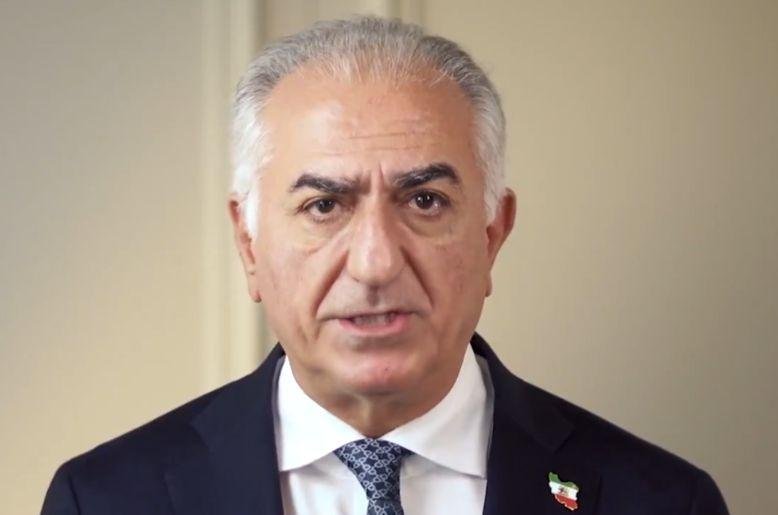
Iranian exiled crown prince Reza Pahlavi says he has accepted responsibility for leading a possible future transition in Iran.
In his video message posted on X, Pahlavi said, “The Iranian people have called on me to lead the transition after the regime is gone. I have accepted that responsibility.”
He added, “Part of their great mandate to me is to return our nation and our foreign relations to normalcy. I will do exactly that.”
Pehlavi also said, “My commitment is to ensure the transition is orderly, the country is stabilised, and Iranians determine their future through the ballot box.”
“We will not repeat the mistakes of past transitions. We will avoid de-Baathification scenarios and maintain as many bureaucrats and public servants in the transition as possible”, he added.
Tensions between Iran, the US and Israel
The war between Iran and the US-Israel has entered its 7th day, with both sides striking hard at each other with missiles and weapons.
Regional tensions escalated following military strikes and counter-strikes between Iran and Western-aligned forces.
The conflict between the United States, Israel and Iran has developed amid long-standing disputes over Iran’s nuclear programme and regional influence.
Analysts say the confrontation has increased security risks across the Middle East, affecting shipping routes, energy markets and diplomatic relations.
Background to Pahlavi’s political stance
Reza Pahlavi is the son of Iran’s last monarch, Shah Mohammad Reza Pahlavi, who was overthrown in the 1979 Islamic Revolution.
Since then, Pahlavi has lived in exile and has repeatedly called for political reforms and democratic change in Iran.
Over recent years, he has tried to build support among Iranian diaspora communities and political opposition groups outside the country.
Pahlavi visited Israel in 2023, where he met political and security officials and spoke publicly about building stronger ties between Iran and Israel in a post-regime future.
The visit was controversial inside Iran but was welcomed by some Iranian diaspora groups who support closer regional cooperation.
Pahlavi’s remarks come amid continued debate about Iran’s political future.
While some opposition figures support constitutional change, others inside and outside Iran have expressed caution about external political influence.
Iranian authorities have not officially responded to Pahlavi’s latest statements.
For now, Pahlavi’s statement remains part of broader opposition political discussions rather than any confirmed political transition process inside Iran.
Diplomatic observers say the future of Iran’s leadership will depend on internal political developments, regional security conditions and international negotiations.
Also read: Pakistan govt likely to close universities to manage global fuel crisis