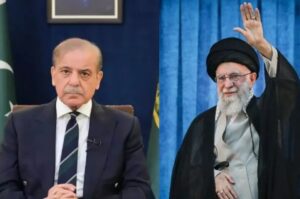
Pakistan appears to be carefully navigating a complex global landscape by maintaining ties with rival powers while safeguarding its national interests. According to recent analysis, the country has adopted a strategy of “strategic alignment,” allowing it to engage with multiple blocs without fully committing to any single camp.
In this approach, Pakistan has managed to keep both China and Russia on its side. Reports suggest that Moscow has offered discounted oil to Islamabad, signalling growing economic cooperation between the two countries. At the same time, China continues to remain a key strategic and economic partner.
On the regional front, Iran has also acknowledged Pakistan’s diplomatic stance. The Iranian foreign minister recently appreciated Islamabad’s support amid rising tensions involving the United States and Israel, highlighting Pakistan’s balancing act in sensitive geopolitical matters.
Meanwhile, Saudi Arabia remains an important ally, with Pakistan reportedly receiving oil worth around $100 million per month on deferred payments. This arrangement provides much-needed economic relief to the country.
Analysts believe that these developments reflect Pakistan’s calculated foreign policy, where it maintains relationships across competing blocs to ensure economic stability and strengthen its position in an increasingly polarised world.
Also Read, PM Shehbaz Sharif launches PSDP data portal at governance forum
Prime Minister Shehbaz Sharif, on Wednesday, inaugurated the Public Sector Development Programme (PSDP) Data Portal, describing it as a significant advancement towards enhanced transparency and open governance.
The portal was launched during the Pakistan Governance Forum 2026 held in Islamabad.
In his address to the forum, the Prime Minister emphasised the necessity of a “whole-of-government” strategy to boost exports and ensure economic stability.
He mentioned that electricity tariffs had been lowered by approximately Rs9 per unit and urged for measures to combat power theft, which is estimated to cost Rs200 billion, through coordinated efforts.