Weekly inflation moved up in the first week of April, as higher fuel and food prices added pressure on household budgets across Pakistan.
Latest figures released by the Pakistan Bureau of Statistics on Friday showed that the Sensitive Price Index rose by 1.01 percent for the week ending April 2. The increase was mainly driven by a sharp jump in Liquefied Petroleum Gas prices, which climbed 13.28 percent in just one week.
Food items also played a key role in pushing prices higher. Eggs and chicken became more expensive, rising by 2.33 percent and 2.23 percent respectively. Other daily essentials such as pulse mash, mutton and fresh milk also saw noticeable increases, making routine grocery shopping slightly more costly for many families.
Prices of some clothing items, including georgette and lawn, also recorded small increases, adding to the overall upward trend.
Some relief from vegetables and staples
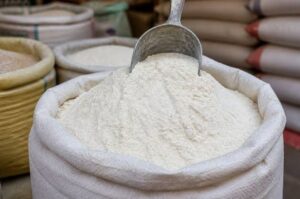
Despite the overall rise, there was some relief for consumers as prices of several kitchen items declined. Tomatoes saw the biggest drop, falling by over 6 percent, followed by garlic, potatoes and onions. Wheat flour also became slightly cheaper during the week, along with bananas, mustard oil and sugar.
The data shows that out of 51 items tracked in the index, prices of 15 items increased while 9 items became cheaper. The majority, 27 items, remained unchanged.
Yearly trend still shows strong increase
On a yearly basis, inflation remains significantly higher. The SPI recorded a 9.12 percent increase compared to the same week last year.
The biggest rise over the year came from LPG, which has surged by more than 53 percent. Fuel prices have also remained high, with diesel up nearly 30 percent and petrol rising over 26 percent. Wheat flour, onions and chilli powder also posted strong increases, reflecting continued pressure on essential goods.
At the same time, some items have become cheaper compared to last year. Potato prices have dropped sharply, while pulses, chicken, sugar and eggs have also seen notable declines.
Overall, the latest figures suggest that while some food items are easing, rising fuel and key essentials continue to keep inflation under pressure.
Read next: Essential food items drive increase in weekly inflation