In the 1980s a day in Islamabad meant a G-6 to F-6 school run by foot or wagon, errands at Aabpara, a PCO call and PTV at night, H-9 Itwar Bazaar on Sunday, Trail 3 at sunset, and airport trips to Chaklala.
Now we test Gen-Z habits like Careem, Foodpanda, Instagram and Google Maps on the same routes through Super Market, Jinnah Super, Blue Area and Zero Point to see what holds up.
Commute without apps
A school day from G-6 to F-6 often meant walking or a Suzuki van. Metrobus stations along Jinnah Avenue and near Peshawar Morr did not exist. You left home earlier and watched the clock at the sector stop.
Plan the day without WhatsApp
Meetups were fixed the night before. A PCO in G-6 or a landline at home handled quick updates. If a friend was late at Super Market, you waited by the fountain or the bakery counter, not in a chat.
Food run without Foodpanda
Snacks came from Melody Market stalls or a dhabba near Aabpara. Orders were placed at the counter and picked up on foot. Today the pink app brings Super Market, Jinnah Super and F-10 Markaz to your door, but back then dinner was a short walk with a steel tiffin.
Media and internet at home
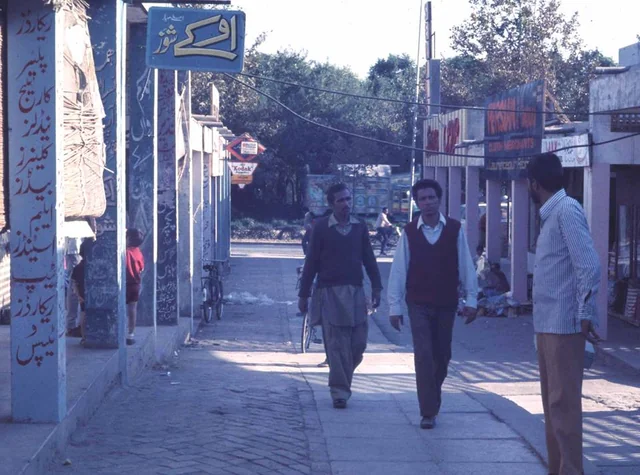
Households moved from PTV and VCRs to cable and then streaming. Cyber cafés faded as fiber and mobile data grew; students now research at home. The experience of renting VCR and watching your favourite movie with the family and friends, the wholesome experience missed by Gen-Z.
Ride without Careem or Uber
At Aabpara and Super Market, yellow cabs queued. You agreed the fare at the door and set off toward Zero Point or Blue Area. On Jinnah Avenue you also waved down wagons. No live map, just landmarks and trust.

Navigate without Google Maps
Directions sounded like this. Keep Saudi Pak Tower on your left, pass the fuel station, turn before Kulsum Plaza. From G-9 Markaz to Saidpur Village the shopkeeper’s route worked even when clouds hid the hills.

Markets that still anchor the map
Aabpara in G-6 remains the oldest markaz. Super Market in F-6 keeps its bookshops and bakeries. Jinnah Super in F-7 added more cafés and brighter fronts. Saeed Book Bank stayed a reference point for students and families.
Blue Area to Centaurus
Blue Area once felt low rise with long views along Jinnah Avenue. Later came bus stations and taller blocks. Centaurus, near the F-7 and F-8 edge, became a go to meet-up for students and shoppers.

Photos before Instagram
A sunset at Faisal Mosque filled a film roll. You saw the results after printing in F-7. Today the same frame becomes a story in seconds. The place is unchanged in spirit, the sharing is faster.
Trails and weekends
Trail 3, Trail 5, Daman-e-Koh and Rawal Lake drew walkers then and now. Signs and parking are clearer today, which brings bigger weekend crowds. The ridge breeze above F-6 feels the same.
Big roads that changed the flow
Zero Point grew from a roundabout to a multi level interchange in the early 2010s. Peshawar Morr connects to the Metrobus network. Trips between G-sectors and Jinnah Avenue are smoother than they were.
Airports then and now
Flights used Chaklala near Rawalpindi. Since 2018 the route goes to Islamabad International near Fateh Jang via Srinagar Highway and the new links. Late night pick ups take longer but the signage helps.
What a Gen-Z eye learns here
Old Islamabad rewards patience. Fixed meet points replace live locations. Cash replaces in-app wallets. Yet the city’s markers still guide you. Aabpara for errands, Super and Jinnah Super for books and tea, trails for clear air, Faisal Mosque for the wide frame at dusk.