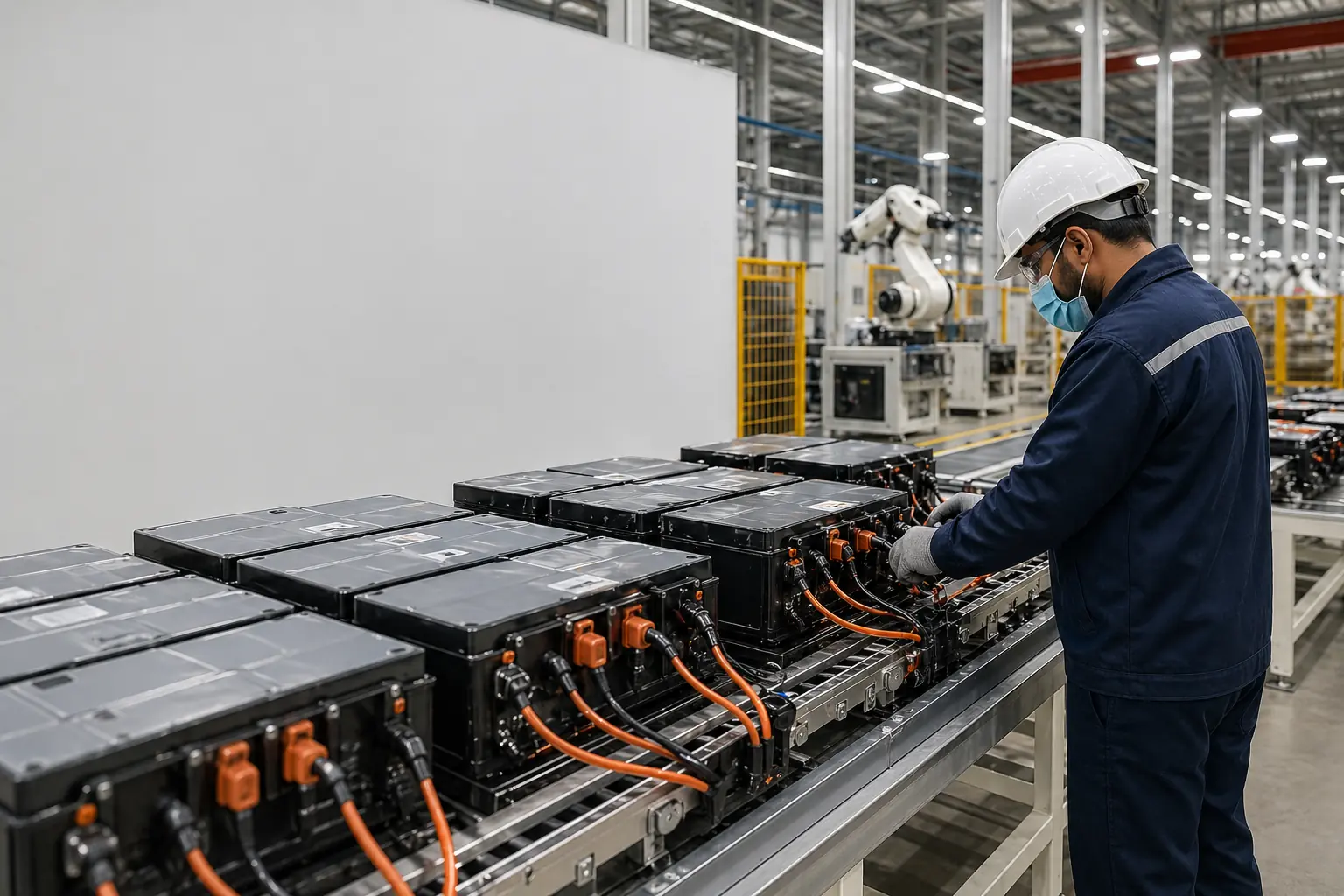
Pakistan is moving towards lithium batteries, a cleaner energy future and developing a strong lithium industry will be a vital part of this transition.
The future of energy depends on better batteries, especially for electric bikes, cars, and storing solar power. Currently, lithium-ion (Li-ion) batteries are becoming the most important type. This is slowly replacing old acid batteries in Pakistan.
The demand for lithium batteries in Pakistan is still low, but it is expected to grow quickly as electric vehicles (EVs), solar systems, and energy storage become more common. In the upcoming 10 years, demand could reach very high levels.
However, Pakistan mostly depends on imported batteries. Less than 20% batteries are made locally. A company called Wavetec, through its subsidiaries, plans to start assembling lithium battery cells in Karachi soon. Their goal is to build a strong local battery system. However, if Pakistan does not produce its own batteries, it may stop relying on oil imports but become dependent on battery imports instead.
Battery imports are already increasing fast. Prices worldwide have dropped a lot, making them more affordable. The government also wants to develop local industries instead of relying fully on imports.
A major obstacle in the way battery developments is the lack of proper policies and standards. Without clear rules, low quality batteries can enter the market, which can be unsafe and reduce trust. Additionally, Pakistan also lacks testing labs to check battery safety and quality.
Electric bikes must be affordable and cheap to run so they can succeed into the market. Although e-bikes cost less to maintain but their high initial price and lack of trust are still challenges.
Another important issue is the batteries that will be left used, because Lithium batteries last 6 to 10 years. So, by 2029, Pakistan will face the issue of large amounts of used batteries.
Resultantly, lithium-ion batteries are slowly replacing old acid batteries, but needs proper recycling and reuse systems are needed to avoid environmental problems. Although new battery technologies are being developed worldwide, lithium-ion batteries will remain the main choice for the near future.