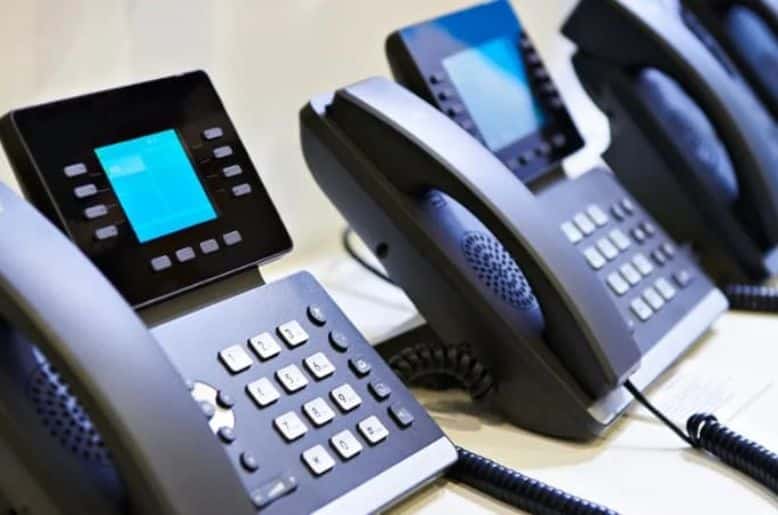
Choosing the right communication tools is vital for any company. A good business phone system connects you with customers, partners, and team members. With so many options available, picking the best one can feel overwhelming. This guide will help you understand your choices and make a smart decision.
We will break down everything you need to know about selecting a business phone system. We will explore the different types of systems, from traditional landlines to modern cloud-based solutions. You will learn about key features, costs, and how to match a system to your company’s specific needs. Our goal is to give you clear information to help you find a reliable and effective communication solution.
What is a Business Phone System?
A business phone system is a network of phones designed for professional use. Unlike a personal phone line, it includes features to manage calls efficiently. These features help companies handle a high volume of calls and project a professional image.
Think about a simple office. A basic business phone system might let you transfer calls between desks or put a customer on hold with music. More advanced systems can do much more. They can route calls to different departments, set up conference calls, and even connect with your other business software. The right system makes communication seamless for both your employees and your customers.
Types of Business Phone Systems
There are three main types of business phone systems. Each one has its own strengths and is suited for different kinds of businesses. Understanding these options is the first step in making your choice.
1. Traditional Landline Systems (PBX)
Traditional landline systems are the classic office phones many people recognize. They use physical copper wires provided by a phone company. These systems often run on a Private Branch Exchange (PBX). A PBX is a piece of hardware located in your office that manages all your phone lines and calls.
A PBX lets you have more phones than physical lines. It handles internal calls for free and provides features like call transferring and extensions. While reliable, these systems can be expensive to install and maintain. They require physical hardware and are not very flexible if your team needs to work from different locations.
2. VoIP Phone Systems
VoIP stands for Voice over Internet Protocol. A VoIP business phone system uses your internet connection to make and receive calls. This technology converts your voice into digital data and sends it over the web.
VoIP systems are very popular because they are flexible and cost-effective. They can be hosted on-premise with your own servers (similar to a PBX) or, more commonly, hosted in the cloud. Cloud-hosted VoIP means a provider manages all the hardware and software for you. You simply pay a monthly fee per user. This eliminates the need for expensive equipment and maintenance.
3. Cloud-Based (Hosted) Phone Systems
A cloud-based phone system is a type of VoIP system where everything is managed by a third-party provider. This is the most modern and flexible option. You do not need any special hardware in your office, aside from the phones themselves. In many cases, employees can even use a software application on their computer or smartphone as their business phone.
This model is great for businesses of all sizes, especially those with remote workers. The provider handles all updates, security, and maintenance. You get access to a wide range of advanced features through an online dashboard. This makes it easy to add new users, change settings, and manage your entire phone system from anywhere.
Key Features to Look for in a Business Phone System
When comparing systems, you will see a long list of features. Some are essential, while others are nice to have. Here are the most important features to consider for your business.
Auto-Attendant
An auto-attendant is a virtual receptionist. It greets callers with a recorded message and provides a menu of options, like “Press 1 for Sales, Press 2 for Support.” This feature makes your business sound professional and directs callers to the right person quickly, without needing a human operator.
Call Forwarding and Routing
Call forwarding lets you send incoming calls to another number. This is useful for employees who are out of the office but need to stay connected. Call routing is more advanced. It can direct calls based on business hours, caller ID, or the options selected from an auto-attendant menu. This ensures calls are always answered by the right person or department.
Voicemail to Email
This feature automatically converts voicemails into audio files and sends them to your email inbox. Some systems even transcribe the message into text. This allows you to check voicemails without having to dial into your phone, making it easier to stay on top of messages.
Conference Calling
The ability to host calls with multiple people is a must-have for team collaboration. A good business phone system should make it easy to set up conference calls. Some systems offer video conferencing as well, allowing for virtual face-to-face meetings.
Integration with Other Software
Modern phone systems can connect with other business tools you use, like your Customer Relationship Management (CRM) software. For example, when a customer calls, their information could automatically pop up on your screen. This integration saves time and helps you provide better customer service.
How to Choose the Right System for Your Company
Now that you know the basics, follow these steps to choose the best business phone system.
Step 1: Assess Your Business Needs
Start by thinking about how your business operates.
- How many employees need a phone? This will determine the number of lines or users you need.
- Does your team work in one office or remotely? If you have remote workers, a cloud-based system is almost essential.
- What is your call volume? A business that takes hundreds of calls a day needs more advanced call management features than one that takes only a few.
- What is your budget? Consider both the initial setup cost and the ongoing monthly fees.
Step 2: Compare Costs
The cost of a business phone system varies widely.
- Traditional PBX systems have a high upfront cost for hardware and installation, but lower monthly line rental fees.
- VoIP and cloud-based systems usually have a low or no upfront cost. You pay a predictable monthly fee per user. This fee often includes unlimited calling within the US and Canada.
Be sure to ask providers for a full quote. Check for any hidden fees, such as installation charges or taxes.
Step 3: Evaluate Reliability and Support
Your phone system is a critical tool. It needs to be reliable. For VoIP systems, reliability depends on your internet connection. Make sure your internet is fast and stable enough to handle the call volume.
Also, consider the provider’s customer support. What happens if your system goes down? Check their support hours and options. Look for providers that offer 24/7 support so you can get help whenever you need it.
Step 4: Plan for the Future
Your business will grow and change. Choose a phone system that can grow with you. Cloud-based systems are very scalable. You can easily add or remove users in minutes through an online portal. A traditional PBX system is much harder to scale, often requiring new hardware and technician visits.
Selecting the right business phone system is a strategic decision. By carefully considering your needs, budget, and future goals, you can find a solution that improves communication and supports your business for years to come.
Many businesses rely on mobile devices as part of their communication strategy.
Frequently Asked Questions
1. What is the cheapest type of business phone system?
Generally, a cloud-based VoIP system is the most cost-effective, as it has low upfront costs and predictable monthly fees per user.
2. Can I keep my existing business phone number?
Yes, in most cases, you can transfer, or “port,” your existing phone number to a new provider.
3. Do I need special phones for a VoIP system?
You can use special IP phones, a regular phone with an adapter, or a softphone application on your computer or smartphone.
4. Is a VoIP system as reliable as a landline?
A VoIP system is very reliable as long as you have a stable, high-speed internet connection.
5. How hard is it to set up a cloud-based phone system?
Setup is usually very simple. The provider guides you through the process, and you can manage everything through an online dashboard without needing technical expertise.