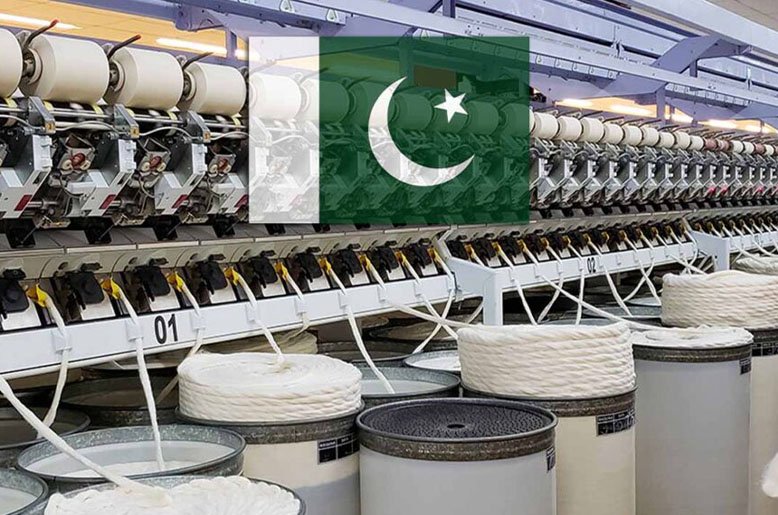
Pakistan’s large-scale manufacturing sector showed clear signs of recovery in October 2025, helped by a sharp pickup in automobiles, cement and petroleum products, according to provisional official data.
The Quantum Index of Manufacturing rose to 118.43 in October, pointing to stronger industrial activity after months of uneven performance. Output from Large Scale Manufacturing Industries grew 8.33 percent compared to October last year, while production was also up 3.75 percent from September.
For manufacturers, the numbers suggest improving confidence, especially in sectors linked to construction and consumer demand. Over the first four months of the current fiscal year, from July to October FY26, overall output increased 5.02 percent. During this period, the manufacturing index averaged 115.16, higher than 109.65 recorded a year earlier.
Automobiles lead the recovery
Automobiles emerged as the strongest driver of growth in October, with production jumping 65 percent year on year. Petroleum products followed with an increase of nearly 49 percent, while cement output rose almost 13 percent. Garments also recorded solid growth of close to 11 percent.
The trend was even more pronounced when looking at cumulative figures. Between July and October FY26, automobile production surged nearly 79 percent, highlighting a strong rebound in demand. Cement output during the same period rose by more than 14 percent, reflecting continued activity in construction and infrastructure-related projects.
These high-performing sectors played a major role in lifting overall growth. Automobiles alone contributed 1.82 percentage points to cumulative expansion, while petroleum products added 0.89 points. Cement, garments and food products also made notable contributions.
Pressure remains in selected sectors
Despite the overall improvement, not all industries shared in the recovery. Output remained under pressure in iron and steel, chemicals, pharmaceuticals, machinery and furniture. These sectors dragged on overall performance, with pharmaceuticals, furniture and iron and steel making the largest negative contributions during the July to October period.
On a broader level, production increased in food, beverages, tobacco, textiles, wearing apparel, petroleum products, cement, automobiles and transport equipment. At the same time, declines in wood products, chemicals, pharmaceuticals and machinery show that challenges remain uneven across the industrial landscape.
Read next: Pakistan’s forex reserves rise nearly 9% after IMF inflows