
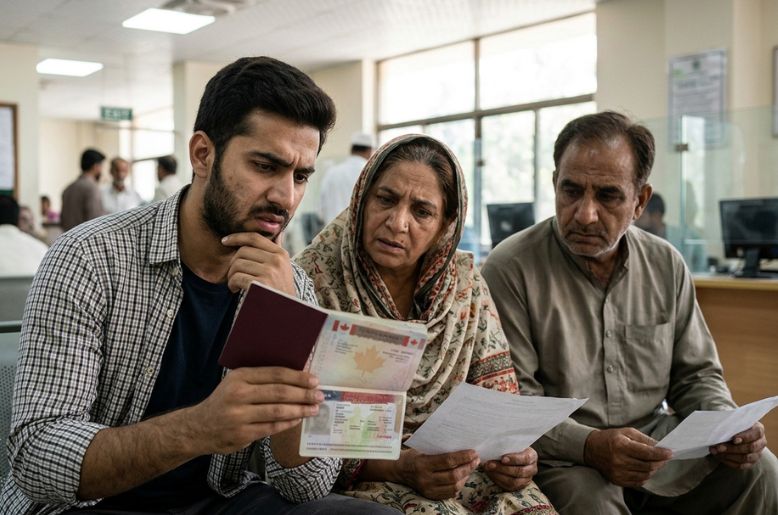
Canada has approved major changes to its immigration and border security system under Bill C-12. The information was shared by Pakistan’s Bureau of Emigration and Overseas Employment.
The new law is called the Strengthening Canada’s Immigration System and Borders Act. It brings stricter rules for asylum seekers and gives immigration authorities more powers. It also allows government departments to share personal information.
The changes cover four main areas. They may affect refugees, foreign workers, international students and people applying for permanent residency.
Can Canada suspend or cancel immigration documents?
Under Bill C-12, the Canadian government can temporarily stop accepting or processing certain immigration applications. This can happen on public interest grounds.
The affected applications include work permits, study permits, temporary resident visas, electronic travel authorisations (eTAs) and permanent residency (PR) applications.
The law also gives immigration officers the authority to suspend or cancel visas and other immigration documents that have already been issued. This can happen if authorities suspect fraud or see risks to national security or the immigration system.
What are the new rules for asylum seekers?
The new law introduces stricter rules and deadlines for people seeking asylum in Canada.
People who entered Canada after June 24, 2020, must submit their asylum claims within one year of arrival. Claims made after this deadline may not be sent to the Immigration and Refugee Board (IRB) for review.
People who enter Canada from the United States through unofficial land border crossings must submit their asylum claims within 14 days of arrival.
Those who miss this deadline may also lose the chance to have their cases reviewed by the IRB.
When can an asylum claim be considered abandoned?
The law also explains when an asylum application may be treated as abandoned or withdrawn.
This may happen if an applicant leaves Canada and returns to their home country. It can also happen if they miss required immigration interviews or fail to provide documents requested by authorities.

