The health authorities have reported an outbreak of chikungunya in the Ziarat Kaka Sahib area of Nowshera, with over 200 suspected cases reported in the past few days.
This surge in suspected cases has added strain on local health-care facilities, with reports from hospitals of having limited space to accommodate the rising influx of patients.
Samples of individuals who are suspected to be ill have been sent to laboratories for testing, officials said.
So far, six cases of chikungunya have been confirmed in the area, said District Health Officer (DHO) Nowshera Dr Akram Shah. He said this is the first time the virus has been detected in KP.
Authorities have also announced containment measures for the disease. The DHO reports that the areas it affects will be the subject of a regular fumigation and preventive spraying campaign.
Health teams will be looking at the points around which mosquitoes are breeding to minimise the risk of further transmission.
What is chikungunya?
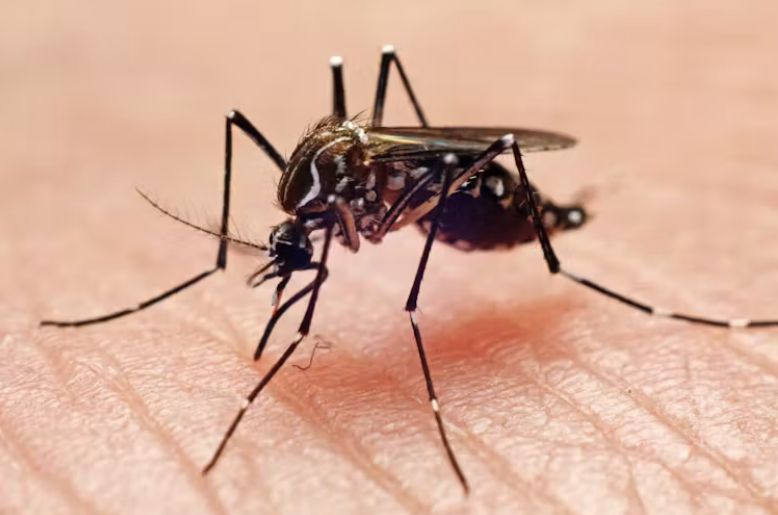
The viral disease, Chikungunya, is spread to humans mainly from contaminated Aedes mosquito bites, which also transmit diseases like dengue. The virus is not usually spread from person-to-person by normal contact.
Typically, the disease manifests itself with a sudden fever and a high level of joint pain. Other symptoms can include headache, muscle pain, swelling of the joints, fatigue and skin rash. Symptoms typically occur 5 to 10 days after being bitten by an infected mosquito.
Chikungunya is not often fatal, but the muscles and joints affected by the infection experience pain that may last for weeks or even much longer. Older adults and people with certain health conditions might be at higher risk of complications.
No antiviral drugs are available for chikungunya. Treatment is usually directed at symptom management (e.g., fever, pain) and rest and fluid replacement are encouraged.
Mosquito-bite prevention is important for reducing transmission, especially during outbreaks, health experts say. Eliminating standing water, using mosquito repellents, wearing long-sleeved clothes and using screens or nets can help minimise exposure to infected mosquitoes.