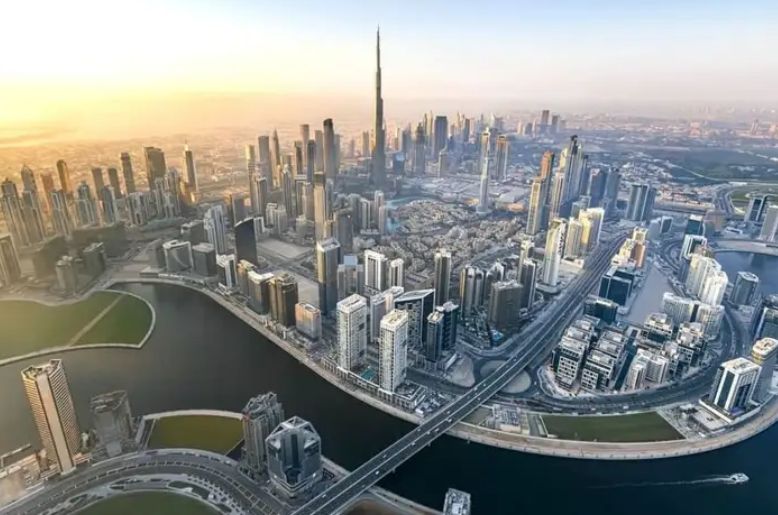
Dubai has emerged as one of the more affordable major cities for prospective home buyers, according to a UBS report comparing housing affordability across 23 major global markets.
The report measures affordability by estimating the number of years of average income required to purchase a 60-square-metre apartment located near a city centre. According to the report, buying such a property in Dubai would require around five years of average income. This compares with approximately 15 years in Hong Kong and 11 years in London.
The report also estimates that around 16 years of rental income would be needed to cover the purchase price of a home in Dubai. However, the affordability of property varies significantly depending on factors such as location, type of property, household income, mortgage rates and other costs associated with home ownership.
Real house prices in Dubai have declined to levels last seen in mid-2025, while real rents have also fallen below their level a year earlier, according to UBS. Although the market has experienced some moderation since March, the Swiss bank said the risk of a property bubble in Dubai “remains elevated.”
Some property industry executives, however, argue that Dubai’s housing market remains considerably more affordable than those of several other major global cities, which they say reduces concerns about a potential local property bubble.
UBS data showed that Dubai’s real home prices increased by just 0.4 per cent year-on-year in the second quarter of 2026. Real rents, meanwhile, declined by 4 per cent over the same period.
Globally, Zurich and Tokyo were the only cities classified by UBS as having a “high” risk of a property bubble. Miami, Dubai, Seoul, Lisbon and Geneva were placed in the “elevated” risk category.
London, Paris, New York, San Francisco and São Paulo were classified as “low risk” markets, according to the report. UBS said existing renters could benefit from the slowdown in property price growth and potential price concessions when considering home purchases.
“Despite elevated mortgage rates, Dubai remains one of the few markets where homeownership remains relatively attractive given the high cost of renting,” the report said. The bank also highlighted Dubai’s “structural advantages”, including its strategic location and role as an international business hub.
According to UBS, these factors remain firmly in place, while an improvement in the geopolitical environment could help support a recovery in market sentiment and property price expectations.