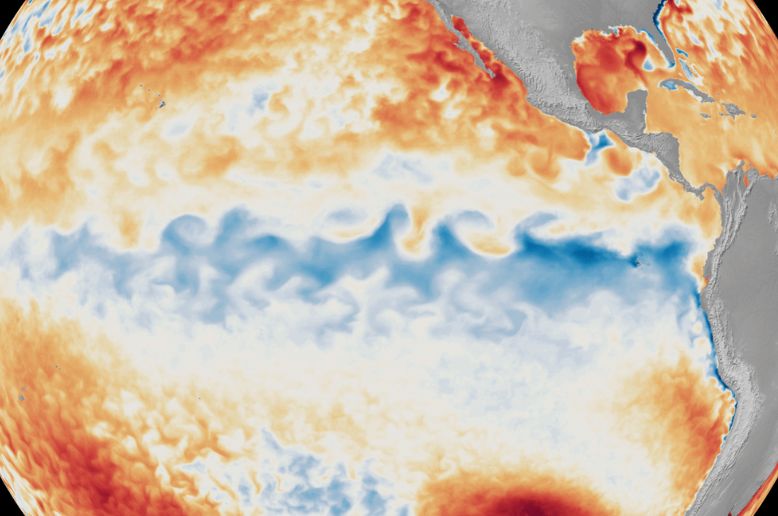
Ecuador has joined Latin America in declaring a national state of emergency in response to the El Niño climate phenomenon that scientists say could be one of the strongest in history.
The Ministry of Risk Management in Ecuador on Saturday declared a red alert for the country due to the current episode of El Niño.
The alert triggers emergency committees to coordinate preventive evacuation and take other actions to mitigate the potential effects of extreme weather.
El Niño is the occurrence of a warmer-than-normal surface temperature in the central and eastern equatorial Pacific Ocean.
The phenomenon may affect the normal wind pattern, rainfall and atmospheric pressure, which in turn can lead to extreme weather phenomena in various parts of the world. It can also have impacts on marine life, such as birds and fishing.
This El Niño has already been responsible for heavy weather in some areas. Central America is having a serious drought while in Indonesia, conditions are worsening and lead to a heightened risk of wildfires.
The present El Niño is expected to peak towards the end of this year. According to them, its impact could also help to set a record for world temperatures in 2027.
Drought and wildfires in Ecuador’s eastern Amazon are a concern. As this phenomenon may escalate further, police are bracing for the prospect of an even bigger storm.
Emergency measures have also been taken in other countries in the region. Panama, Honduras and El Salvador have issued El Niño-related emergencies, and Peru has issued a state of emergency in about one-third of its cities.
El Niño may bring extreme heat and rainfall to Peru that could hurl a disruption in food supplies and cause some communities to have limited access to sufficient food, authorities have warned.
Also read: Strong El Nino threat adds pressure on Asia amid ongoing crisis