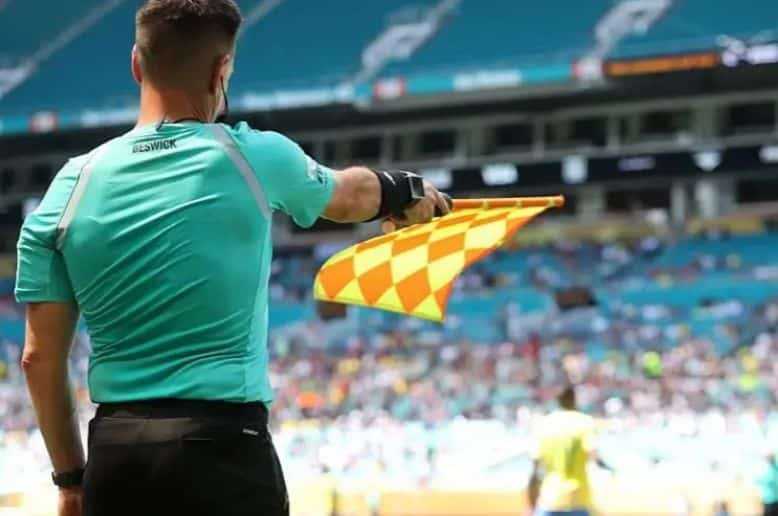
The opening match of the 2026 FIFA World Cup has sparked debate about whether referees are becoming stricter after three players were sent off during Mexico’s 2-0 victory over South Africa.
The match produced more red cards than were seen in many entire tournaments in recent years, leading to questions about whether officials are adopting a tougher disciplinary approach.
The sight of three red cards in a single World Cup match was unusual for the fans, because the previous two tournaments in Russia in 2018 and Qatar in 2022 saw only four red cards each across all matches. The famous Portugal versus Netherlands clash saw a record four players sent off.
However, despite speculation, there is little evidence that FIFA has instructed referees to issue more red cards. Since former Italian referee Pierluigi Collina became FIFA’s head of refereeing in 2017, the emphasis has generally been on ensuring that players remain on the field unless their actions clearly warrant dismissal.
Before the tournament began, Collina reportedly focused on issues such as time wasting and player conduct rather than introducing harsher standards for red card offences.
The first red card was shown to South Africa’s Yaya Sithole after he fouled Mexico’s Brian Gutierrez, who was through on goal. Referee Wilton Sampaio concluded that Sithole had denied a clear goal-scoring opportunity, making the decision relatively straightforward under the Laws of the Game.
The second dismissal, involving Themba Zwane, which showed a review by Video Assistant Referee Nicolas Gallo, Sampaio examined footage showing an off-the-ball incident involving Roberto Alvarado. Some argue that the decision was harsh and not an obvious example of violent conduct.
Overall, the opening match signals a stricter refereeing trend but remains unclear. However, the dramatic start has already reignited discussions about FIFA’s ongoing efforts to shape player behaviour at the world’s biggest football tournament.
Also read: Sialkot’s footballs find their way to FIFA World Cup 2026
