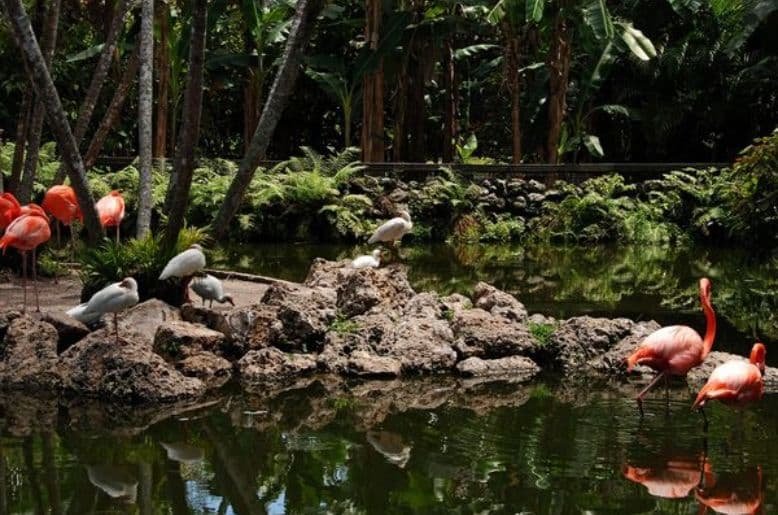
Nestled in the heart of South Florida, there is a special place where nature, history, and wildlife come together. Flamingo Gardens is a 60-acre tropical paradise that offers a unique glimpse into the state’s natural beauty. It is a botanical garden and an Everglades wildlife sanctuary all in one. For visitors looking for an authentic Florida experience away from the crowded theme parks, this attraction is a true hidden gem.
This guide will walk you through everything you need to know to plan your visit to Flamingo Gardens. We will explore the lush gardens filled with rare and exotic plants. You will learn about the incredible rescued animals that call the sanctuary home. We will also cover the rich history of the property and its importance to the region. By the end, you will understand why Flamingo Gardens is more than just a tourist spot; it is a piece of Florida’s living history and a center for conservation.
What is Flamingo Gardens?
Flamingo Gardens is a non-profit organization located in Davie, Florida. It was founded in 1927 by Floyd L. and Jane Wray as a citrus grove. Today, it has grown into one of the oldest botanical gardens in South Florida. The property serves two main purposes. It is a stunning botanical garden that showcases thousands of tropical and subtropical plants.
This dual mission visit to Flamingo Gardens is a unique experience. In one moment, you can be admiring a massive 200-year-old oak tree. In the next step, you can be watching a rescued Florida panther. The focus is on conservation and education. It is a peaceful escape that offers both beauty and substance.
Exploring the Botanical Gardens
The heart of Flamingo Gardens is its incredible collection of plants. The gardens are designed to take you on a journey through different tropical landscapes. The grounds are home to over 3,000 species of rare and exotic plants, including some of the largest trees in the state of Florida.
The Champion Trees
One of the most impressive features is the collection of “Champion Trees.” The cluster fig tree, for example, is a breathtaking sight with its massive root system. These ancient trees are a living link to Florida’s past and a powerful reminder of the beauty of the natural world.
Specialized Garden Areas
The property is divided into several themed garden areas. The Butterfly and Hummingbird Garden is a favorite, filled with flowers that attract these delicate creatures. The Arboretum is a quiet place where you can see hundreds of different tree species from around the world. There is also a Croton Garden, a Bromeliad Garden, and a section dedicated to Florida’s native plants. Each area offers a different experience and showcases the amazing diversity of the plant kingdom. This thoughtful design makes exploring the gardens an adventure of discovery.
The Everglades Wildlife Sanctuary
Beyond the plants, Flamingo Gardens provides a haven for over 90 species of Florida native animals. This is not a zoo. Every animal at the sanctuary has been permanently injured or is non-releasable for other reasons. The sanctuary gives them a second chance at life in a safe and caring environment.
Meet the Residents
The sanctuary is home to some of Florida’s most iconic wildlife. You can see alligators, bobcats, otters, and even the endangered Florida panther. The black bears are always a popular sight as they play and relax in their large habitat. The Free Flight Aviary is a highlight for many visitors. You can walk through this huge screened structure that houses hundreds of native wading birds. It is an immersive experience that lets you see birds like spoonbills and ibises up close.
The Famous Flamingos
Of course, a visit to Flamingo Gardens would not be complete without seeing its namesake birds. A flock of Caribbean flamingos lives in a beautiful pond at the center of the park. Their vibrant pink color stands out against the green foliage. Twice a day, the wildlife keepers present a “Flamingo Encounter.” During this presentation, you can learn fascinating facts about these unique birds and watch them interact with their keepers. It is a wonderful photo opportunity and a chance to appreciate these elegant animals.
The Historic Wray Home Museum
A visit to Flamingo Gardens is also a step back in time. The original home of the Wray family, built in 1933, has been preserved and turned into a museum. Walking through the Wray Home Museum gives you a sense of what life was like for early South Florida pioneers. The house is furnished with period pieces and memorabilia from the 1930s.
It tells the story of Floyd and Jane Wray, who established the property as a citrus grove. They were instrumental in the early development of the area. The museum provides context for the beautiful gardens you see today. It shows how their vision laid the groundwork for the sanctuary and botanical garden that exists now. It adds a layer of history and humanity to the natural beauty of the park.
Planning Your Visit
A trip to Flamingo Gardens is easy to plan and is a great activity for all ages. It is a perfect half-day or full-day trip for families, couples, and anyone interested in nature.
The Narrated Tram Tour
The best way to start your visit is with the narrated tram tour. This 30-minute ride takes you through the farthest parts of the property, including some of the original citrus groves and the wetland areas. The guide provides valuable information about the history of the gardens and points out key plants and wildlife habitats. It gives you a great overview of the entire park and helps you decide which areas you want to explore more on foot. The tram tour is included with your admission.
Daily Shows and Encounters
To make the most of your day, check the schedule for the daily wildlife encounter shows. These short presentations are led by knowledgeable keepers who introduce you to some of the sanctuary’s animal residents. You might meet an alligator, a hawk, or a snake. These shows are educational and fun, providing a closer look at the animals and their stories.
Flamingo Gardens offers a rich and rewarding experience. It combines the beauty of a world-class botanical garden with the important mission of a wildlife sanctuary. It is a peaceful, educational, and inspiring place that stays true to its historical roots while promoting a message of conservation for the future.
Heard the rumors about the Taj Mahal? Get the facts straight in our detailed report. Is the Taj Mahal really being demolished?
Frequently Asked Questions
1. How long does it take to see Flamingo Gardens?
Most visitors spend about 3 to 4 hours seeing everything comfortably. This includes the tram tour, wildlife encounters, and walking through the gardens and sanctuary.
2. Are the animals at Flamingo Gardens wild?
No, all the animals in the wildlife sanctuary are rescues. They are native Florida animals that were injured and cannot be released back into the wild. The sanctuary is their permanent home.
3. Can you bring your own food into Flamingo Gardens?
Yes, guests are welcome to bring their own food and drinks and have a picnic at one of the many tables located throughout the gardens. There is also a cafe on site.
4. Is Flamingo Gardens good for kids?
Yes, it is very family-friendly. Children love the wildlife, the tram tour, and the open spaces to explore. The wildlife encounter shows are especially popular with younger visitors.
5. What is the best time of year to visit?
You can visit year-round, but the weather is most pleasant from October through May. The summer months can be very hot and humid, so it’s best to visit in the morning if you go during that time.