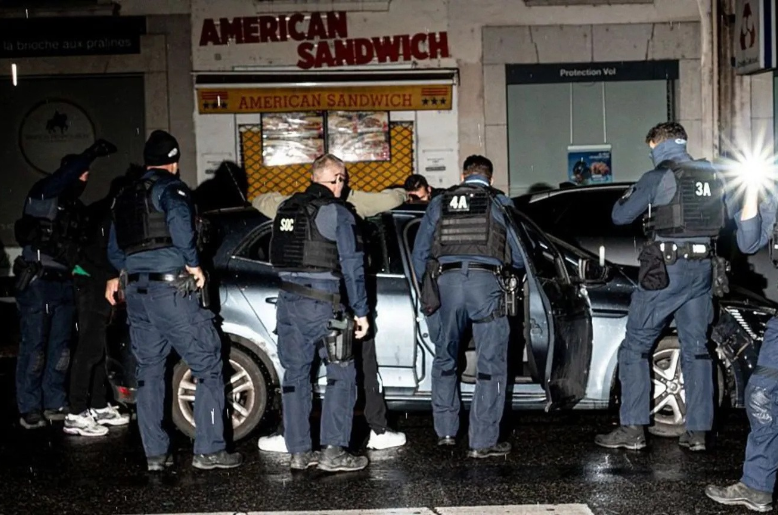
French authorities have introduced curfews and public restrictions following widespread violence across the country. The government aims to restore public order and protect residents and businesses after a weekend of rioting and looting. The decision comes after large demonstrations over rising living costs, poor school conditions, and concerns about public services. While many people protested peacefully, some gatherings turned violent. Shops were looted, vehicles were burned, and public buildings suffered serious damage.
French government introduces local curfews
Prime Minister Sébastien Lecornu has given local authorities the power to introduce partial curfews. These restrictions aim to prevent further violence in affected areas. The government has said targeted measures are more appropriate than declaring a nationwide state of emergency at this stage. Officials may consider stronger action if the situation worsens.
Authorities in several cities have introduced restrictions on public gatherings and movement. Marseille, for example, banned public gatherings between midday and 8 p.m. on Monday. In Paris, police introduced overnight curfews in two areas following looting and disorder. These measures are intended to reduce the risk of further damage and protect local businesses.
What caused the weekend unrest?
The unrest followed nationwide demonstrations involving hundreds of thousands of people. Protesters raised concerns about high living costs, rising fuel prices, and deteriorating conditions in public schools. The demonstrations began last month with students demanding improvements in education. However, the movement later expanded to include wider economic and public service concerns. Many participants joined peaceful rallies across France. However, some groups engaged in violence, vandalism, arson, and looting. The damage affected businesses, vehicles, and public buildings in several cities. The unrest has also raised questions about the government’s ability to maintain public safety during large demonstrations.
Thousands arrested during the violence
French authorities reported more than 2,500 arrests during the unrest. Officials also said approximately 1,000 police officers were injured. Emergency services and police faced difficult conditions as violence spread across different locations. Several businesses suffered damage, while fires destroyed parts of important public buildings. In Limoges, a fire severely damaged the historic town hall. Other cities also reported looting and damage to commercial properties. The scale of the destruction has increased pressure on the government to improve its security response. Authorities are investigating the events and seeking to identify those responsible.
Macron Rejects interior Minister’s Resignation
French President Emmanuel Macron has rejected Interior Minister Laurent Nuñez’s offer to resign following the violence. Nuñez acknowledged serious failures in the handling of the unrest. He also admitted that police had lost control in some cities during the disturbances. Macron has called for answers about the security failures and urged officials to improve policing methods. The government faces growing pressure to explain how the violence spread and why authorities struggled to contain it. The president’s decision means Nuñez will remain in office while the government reviews its response. The situation has increased political pressure as officials work to restore confidence in public security.
What happens next?
French authorities continue to focus on preventing further violence and protecting affected communities. Local curfews and restrictions may remain in place where officials consider them necessary. The government has indicated that it could consider additional measures if public disorder continues. However, officials have not announced a nationwide state of emergency.
The protests may continue as demonstrators maintain their demands over living costs, education, and public services. Authorities must balance public safety with the right to peaceful assembly. French authorities impose curfews following violent weekend unrest as the government faces growing pressure to restore order. The coming days will show whether local restrictions can prevent further clashes and protect residents and businesses.