
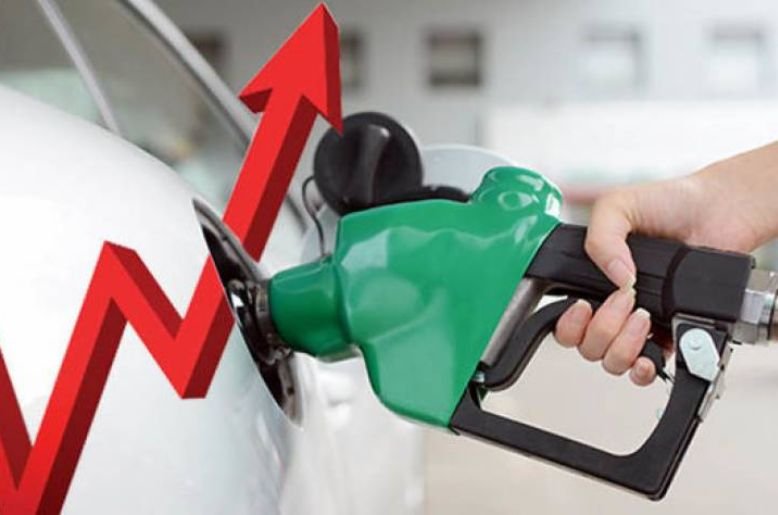
Fuel prices affect every part of daily life in Pakistan. From transportation costs to goods prices, changes in petrol, diesel, and kerosene directly impact households and businesses. Fuel prices have fluctuated in recent years due to global oil rates, government taxes, and local inflation.
This article provides a detailed comparison of fuel prices in Pakistan with the previous year. It also explains factors affecting prices, insights for consumers, and tips to manage costs.
Current fuel prices in Pakistan
As of early February 2026, fuel prices in Pakistan are relatively stable compared to past months. Approximate rates are:
- Petrol Super: Rs. 253.17 per liter
- High-Speed Diesel HSD: Rs. 257.08 to 268.38 per liter
- Kerosene Oil: Rs. 176.81 per liter
- Light Diesel Oil LDO: Rs. 159.76 per liter
These rates include government taxes, which make up over one-third of the total price.
Comparison with pevious year
Comparing the fuel prices of 2026 with 2025 shows significant differences. Petrol has increased moderately due to inflation and global crude oil price changes. Diesel prices are slightly higher because of industrial demand.
Kerosene and LDO prices have remained stable. This stability benefits low-income households and small businesses that rely on affordable fuel for heating and transport.
Factors affecting fuel prices in Pakistan
Several factors influence fuel prices in Pakistan:
- Global Oil Prices: Changes in crude oil cost directly affect local fuel rates. When global prices rise, local prices follow.
- Government Taxes: Over 30 percent of the fuel price comes from federal and provincial taxes. These include petroleum levy and sales tax.
- Inflation: Higher inflation increases transportation and production costs, indirectly affecting the prices.
- Exchange Rate: Pakistan imports most petroleum products. A weaker rupee increases the cost of imports.
- Local Demand and Supply: Peak travel seasons or industrial demand can slightly increase prices.
Understanding these factors helps consumers anticipate changes and plan expenses.
Impact of fuel prices on daily life
Fuel prices directly influence transportation costs, grocery prices, and public transport fares. Rising fuel costs increase commuting expenses and shipping charges for goods.
Low or stable prices, like the current 2026 rates, help reduce financial pressure on families and businesses. Drivers notice the effect on car fuel costs, while truckers and delivery services adjust their charges based on diesel rates.
Fuel prices and businesses in Pakistan
For businesses,prices are a critical factor. Industries that rely on transportation, logistics, and production feel price changes immediately.
High fuel costs can lead to increased product prices, reducing consumer demand. Conversely, stable prices improve profit margins and allow businesses to maintain competitive pricing. Many companies also monitor international oil trends to forecast costs and adjust budgets.
Tips for managing fuel costs
Consumers can take steps to manage expenses amid fluctuating fuel prices:
- Plan trips efficiently to reduce unnecessary travel.
- Use fuel-efficient vehicles.
- Monitor petrol and diesel rates to buy fuel at lower times.
- Combine errands and carpool when possible.
- Keep vehicles well maintained to improve fuel efficiency.
Small actions can save significant amounts of money over time.
Government policies and fuel pricing
Government policies strongly influence fuel prices in Pakistan. Authorities adjust taxes, levies, and subsidies to control rates. Periodic fuel price adjustments are made to balance inflation and revenue.
Future policy changes can affect petrol, diesel, and kerosene prices. Staying updated with official notifications helps consumers prepare price changes. Read our latest news, The Unexpected Pivot: Why Retailers Are Pumping Up Their Profits with Fuel to understand how fuel pricing affects business strategies.
Fuel price trends in Pakistan
Analyzing fuel prices over the last few years shows a gradual upward trend. However, 2026 rates remain manageable compared to peak years. Petrol and diesel have increased moderately, while kerosene and LDO remain stable.
Experts predict that global oil market stability and exchange rate improvements may keep future prices steady unless unexpected geopolitical events occur.
Regional comparison of fuel prices
Fuel prices vary slightly across Pakistani cities. Urban centers like Karachi, Lahore, and Islamabad usually have consistent pricing, while remote areas may experience small variations due to transportation costs.
Consumers traveling long distances should check local rates to avoid surprises.
Frequently asked questions
1. What is current petrol price in Pakistan
It is approximately Rs. 253.17 per liter.
2. What is diesel price in Pakistan?
High-Speed Diesel HSD is between Rs. 257.08 and 268.38 per liter.
3. What is kerosene oil price in Pakistan?
Kerosene oil is priced around Rs. 176.81 per liter.
4. Why do fuel prices change frequently?
Fuel prices change due to global oil rates, taxes, exchange rates, and inflation.
5. How can I save money on fuel?
Plan trips efficiently, use fuel-efficient vehicles, and maintain your car for better mileage.
Final words
Fuel prices in Pakistan affect everyone from daily commuters to business owners. Comparing 2026 rates with previous years shows moderate changes, providing some stability for families and industries.
Staying informed about price trends, government policies, and market factors helps consumers manage expenses and plan effectively.


