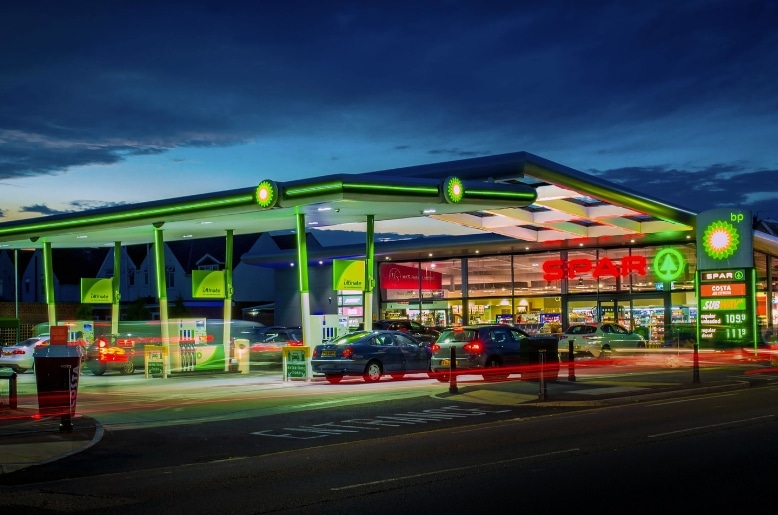
Ever noticed that your favorite grocery store or warehouse club now has a gas station right outside? It’s not a coincidence. This growing trend of retailers entering fuel business is a strategic power play that’s reshaping how we shop and fill up. Forget just picking up milk and bread; savvy retailers are realizing that a trip to the pump can now mean a boost to their bottom line, both at the nozzle and inside the store.
But why the sudden shift? What’s driving these retail giants to dive into a market traditionally dominated by oil companies? And what does it mean for your weekly errands? Let’s fuel up on some insights.
More Than Just Gas: The Strategic Engine Behind the Move
At first glance, selling fuel might seem like a low-margin hassle. However, for retailers, it’s a brilliant chess move designed to solve several modern retail challenges. It’s often the centerpiece of a modern business growth plan that looks at the customer’s entire daily journey rather than just a single transaction.
1. The Ultimate Foot Traffic Magnet
Think about it: how often do you buy gas? Probably at least once a week. Fuel is a consistent, high-frequency purchase. By offering competitive fuel prices, retailers create an irresistible magnet that pulls customers directly to their doorstep. Once you’re in the parking lot to fill up, the “friction” of shopping is gone. You’re already there, so you might as well pop in for those few items you forgot. This increased foot traffic is invaluable, leading directly to more impulse buys and larger “basket sizes” (the total amount you spend per visit).
2. Supercharging Loyalty Programs
Many retailers have sophisticated loyalty programs. Imagine this: every dollar you spend on organic kale or laundry detergent earns you points that translate into 10 or 20 cents off per gallon. This is a powerful incentive that locks customers into a specific retail ecosystem. Suddenly, getting gas isn’t just about the cheapest price on the sign; it’s about maximizing your overall savings across all your household needs.
3. The “One-Stop Shop” Experience
In our busy lives, convenience is king. Consumers are constantly looking to save time. A retailer offering groceries, household goods, and fuel under one roof provides an unbeatable “one-stop shop” experience. This convenience is a major draw for families looking to optimize their weekly routine and reduce the number of stops they have to make.
Beyond the Pump: The Evolving Fuel Business Model
The way companies are approaching retailers entering fuel business isn’t static. They are innovating to ensure they stay relevant as the world changes.
From Petrol to Power: Embracing EV Charging
The rise of electric vehicles (EVs) is a huge factor. Forward-thinking retailers are already installing EV fast-chargers. This creates a new kind of opportunity. Unlike gas, which takes 5 minutes, an EV charge can take 20 to 40 minutes. This “dwell time” is a goldmine for retailers. While the car charges, the customer is likely to spend money on coffee, a meal, or a more leisurely shopping trip inside the store.
Foodvenience: Elevating the Experience
Retailers are using their food service expertise to turn the “gas station snack” into a high-quality meal. We are seeing a shift toward foodvenience, high-end sandwiches, gourmet coffee, and fresh salads. This transforms a quick fuel stop into a pleasant mini-destination, further blurring the lines between a gas station and a lifestyle hub.
What Does This Mean for You?
For consumers, the trend of retailers entering fuel business generally means more choice and more savings. You’ll likely see more competitive fuel prices as big-box stores vie for your attention.
However, it’s interesting to note how different regions prioritize energy.
For example, while the US focuses on retail fuel integration, other parts of the world are looking at different ways to save on energy costs, such as the rise of solar net metering in Pakistan. While these seem like different worlds, they both represent a push toward more efficient, customer-focused energy solutions.
The Future is Fueled and Charged by Retail
The decision for retailers to enter the fuel business is a calculated move to drive traffic and build long-term loyalty. It’s a strategy that turns a low-margin product (gas) into a high-value tool for customer retention. As stores continue to adapt, we can expect to see even more integration between where we power our cars and where we buy our dinner.
Frequently Asked Questions
Q. Why do grocery stores sell gas if the profit margin is so low?
Retailers use gas as a “loss leader.” Even if they don’t make much money on the fuel itself, it drives customers to the location, where they are much more likely to buy high-margin items like groceries, snacks, and prepared foods inside the store.
Will gas stations disappear as more people buy electric cars?
Not necessarily, but they will evolve. Many gas stations are already transforming into “mobility hubs” by adding EV fast-chargers, better food options, and comfortable waiting areas to capitalize on the longer time it takes to charge a vehicle.
How do retail fuel rewards programs actually save me money?
These programs link your grocery spending to fuel discounts. By consolidating your shopping at one retailer, you can often save significant amounts (sometimes up to $1 per gallon) at the pump, which lowers your total monthly household expenses.