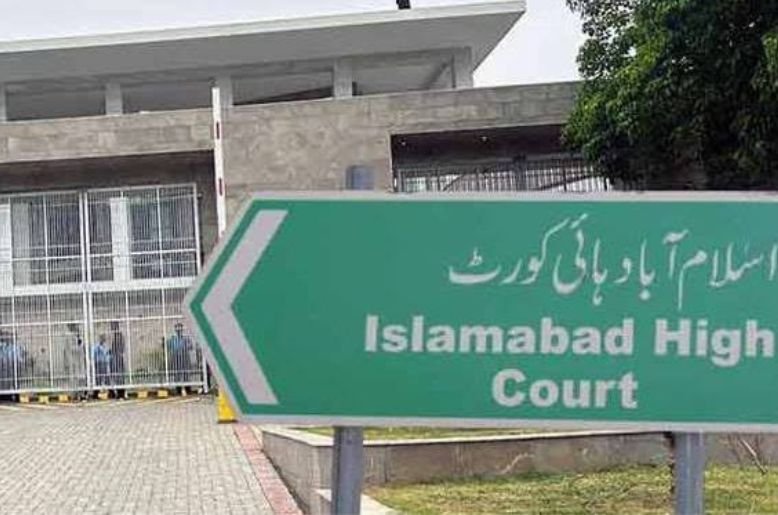
The Islamabad High Court (IHC) has introduced a smart paperless court system as part of its move towards digital judicial proceedings.
The courtroom of IHC Chief Justice Sardar Muhammad Sarfraz Dogar has been converted into a fully functioning e-court. Courtroom No. 1 is now equipped with digital screens, while case records can be accessed electronically during hearings.
The new system also supports online hearings and digital case management. It reduces the need for physical files during court proceedings.
Additional Attorney General, Deputy Attorney General and Islamabad Prosecutor General Manzoor Jajja were present when digital proceedings were conducted in the courtroom.
Manzoor Jajja said the use of modern technology could make court proceedings more transparent and help speed up cases. Lawyers and people involved in cases can also access judicial information online.
New rules introduced for filing cases
The IHC has also introduced new rules for filing cases. Every new case required now to include a complete digital copy of the case file along with the required original documents and paper books.
The digital file must be clear, complete and properly arranged. The lawyer or party submitting it will be responsible for that all documents.
Any documents submitted later during a case must also be provided in digital form.
Government law offices, including the offices of the Advocate General, Prosecutor General and Deputy Attorney General, will no longer receive hard copies of case files. They will instead receive digital copies.
The court has also made it clear that confidential case documents cannot be shared through personal or unauthorised platforms.
Biometric verification and digital records
Lawyers and litigants may undergo biometric verification through NADRA’s e-Sahulat service when filing cases.
The IHC administration will issue further guidelines for operating the system, covering scanning quality, electronic file formats, file sizes, naming procedures, authentication, uploading and secure transmission of documents.
Rules for preserving digital court records will also be introduced.
The Supreme Court has also introduced tools including e-filing, digital records, barcode-based case tracking and online multi location hearings.