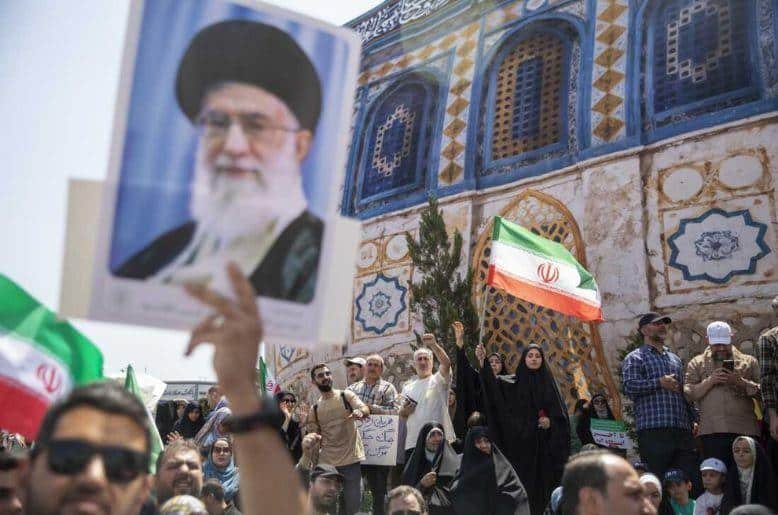
The world is watching the Middle East with fear and worry. The Iran war is now in its fourth week. Cities are burning. Oil prices are rising. And the world’s most important shipping route is effectively closed. This war is not just a Middle East problem. It is a global crisis. And for Pakistan, it hits very close to home.
How did the Iran war start?
The Iran war began on February 28, 2026. The United States and Israel launched coordinated airstrikes on Iran under a military operation called Operation Epic Fury. These strikes targeted Iranian military facilities, nuclear sites, and leadership.
The strikes resulted in the death of Iran’s Supreme Leader Ali Khamenei. This was a massive and shocking development. Iran responded immediately with missile and drone attacks on US military bases, Israeli territory, and Gulf states.
As of March 12, 2026, Iran had made 21 confirmed attacks on merchant ships in the region. The situation escalated rapidly and the entire world felt the impact within days.
The Strait of Hormuz: The most important waterway in the world
To understand this war, you need to understand the Strait of Hormuz. It is a narrow waterway in the Persian Gulf. The strait is the main route for about 20 percent of the world’s oil and natural gas. When Iran closed this route, the entire world felt the pain. Oil prices shot up. Petrol prices in Pakistan and every other country started rising fast.
The two unidirectional sea lanes of the strait carry around 20 million barrels of oil per day. The Strait of Hormuz has been effectively closed for almost four weeks, throwing global oil markets into chaos, and there is no clear end in sight. This is not just a military problem. It is an economic disaster for the whole world.
Trump threatens to obliterate Iranian power plants
As the war entered its fourth week, US President Donald Trump made a very bold and dangerous threat. Trump threatened to destroy Iran’s power plants within 48 hours if Iran did not fully open the Strait of Hormuz.
This threat shocked the world. Attacking power plants means millions of civilians lose electricity. International law experts warned this could be a war crime. Under the Geneva Conventions, attacks on objects indispensable to the survival of the civilian population are prohibited.
Iran did not stay quiet. Tehran threatened to strike electricity targets across the region if Trump followed through on his threat to obliterate the country’s power network. The world held its breath as both sides made increasingly dangerous threats.
Trump pauses the deadline
After threatening Iran with a 48-hour deadline, Trump later changed course. Trump postponed any strikes against Iran’s power plants for five days, citing what he said were productive conversations with Tehran to end the war. Markets reacted immediately. Oil prices dropped and stock markets rose on the news.
But Iran rejected the claim of talks. Iran responded by saying that there had been no direct talks and that Trump’s move was designed to lower energy prices and buy time for his military plans.
Then Trump extended the deadline again. Trump announced he was pausing the period of energy plant destruction by 10 days to Monday, April 6, 2026. He said this extension came after Iran allowed several oil tankers to pass through the Strait of Hormuz as a sign of good faith.
The human cost of the Iran war
Wars are not just about politics and oil. They are about human lives. More than 2,000 people have been killed across the Middle East as the war entered its fourth week. In Iran, Israeli and American strikes killed more than 1,200 people. At least 1,000 people were killed in Lebanon, and 15 died in Israel. Thirteen US service members were also killed.
These numbers are heartbreaking. Behind every number is a family, a mother, a father, and a child. The Iran war is destroying lives every single day. Pakistani people, who know the pain of conflict very well, feel deep sorrow for the innocent victims of this war.
Spain also took a firm position against the US military campaign. Spain confirmed it closed its airspace to US military flights connected to the Iran war. This shows how deeply this conflict is dividing even Western allies.
The global energy crisis
The Iran war has created the worst energy crisis the world has seen in decades. Oil prices surged faster than during any other conflict in recent history. Brent crude oil prices surpassed 100 US dollars per barrel on March 8, 2026, and reached a peak of 126 US dollars per barrel.
The global economy faces a major threat, and the current energy crisis is worse than the oil shocks of the 1970s, the International Energy Agency warned. This is an extraordinary statement. The 1970s oil crisis caused economic chaos around the world. This current crisis is being described as even worse.
For Pakistan, this energy crisis is devastating. Pakistan already struggles with high fuel prices. When global oil prices rise this sharply, every Pakistani family feels it. Petrol prices go up. Electricity bills are increasing. The cost of everything from food to transport rises.
Pakistan’s role in the Iran war
Pakistan has taken an active diplomatic role in this crisis. Iranian President Masoud Pezeshkian held a phone call with Prime Minister Shehbaz Sharif. During the call, Sharif declared Pakistan’s solidarity with Iran. The two leaders discussed bilateral relations, regional developments, and the consequences of the war on regional and global security.
President Asif Ali Zardari and Prime Minister Shehbaz Sharif also held meetings to discuss Pakistan’s national security amid the Iran war. Pakistan shares a long border with Iran. Any instability in Iran directly affects Pakistan’s security and economy.
Sharif appreciated Iran’s cooperation in allowing Pakistani vessels safe passage through the Strait of Hormuz. This is very important for Pakistan. Pakistani ships carrying cargo need to pass through the strait. Iran’s willingness to let Pakistani ships through shows the importance of Pakistan’s diplomatic ties with Iran.
Pakistan’s interior minister also held a meeting with the Iranian ambassador in Pakistan. This shows Pakistan is working quietly behind the scenes to help bring peace to the region.
Israel’s role in the conflict
Israel has been a key partner in the US military campaign against Iran. Israeli strikes have continued throughout the war. Israel’s military carried out a wide scale wave of strikes targeting infrastructure in the heart of Tehran.
Israel also killed a top Iranian military commander. Alireza Tangsiri, who commanded Iran’s Revolutionary Guard Navy and directly ordered the closure of the Strait of Hormuz, was targeted in a strike along with his senior operational leadership. Iran’s response to this killing was swift and aggressive.
UNIFIL peacekeepers in Lebanon also reported casualties during this period, as the conflict spread beyond Iran’s borders into Lebanon and other parts of the region. As the Middle East conflict grows more unpredictable by the day, a major new development has emerged. Iran claims drone attack on US military base in Jordan.
What happens next
The Iran war is at a very critical point right now. Trump has paused his energy strike deadline until April 6, 2026. Talks are reportedly ongoing, but Iran denies direct negotiations with the US. The Strait of Hormuz remains largely closed to most international shipping.
Iran still has the upper hand in many ways, partly because of its unconventional warfare methods including cheap drones and sea mines, and partly because of its geography. These factors make it very difficult for the US or others to secure the strait militarily.
The world is hoping for a peaceful solution. Another few weeks of this war will cause enormous damage to the global economy. Developing countries like Pakistan will suffer the most from continued high oil prices and supply disruptions.
Pakistan’s diplomatic role is more important than ever. As a neighbor of Iran and a trusted partner of many nations, Pakistan can play a crucial role in bringing both sides to the negotiating table. The coming days will determine whether this war ends quickly or drags on for months.
Frequently asked questions
Q1. When did the Iran war start?
The Iran war started on February 28, 2026, when the United States and Israel launched coordinated airstrikes on Iran under Operation Epic Fury.
Q2. Why is the Strait of Hormuz important for Pakistan?
About 20 percent of the world’s oil passes through the Strait of Hormuz. Its closure raises global oil prices which directly increases fuel and energy costs in Pakistan.
Q3. What did Trump threaten Iran with?
Trump threatened to strike and obliterate Iranian power plants unless Iran fully reopened the Strait of Hormuz to international shipping.
Q4. How many people have been killed in the Iran war so far?
More than 2,000 people have been killed across the Middle East in the first four weeks of the Iran war.
Q5. What is Pakistan’s position on the Iran war?
Pakistan has declared solidarity with Iran, secured safe passage for Pakistani ships through the Strait of Hormuz, and is actively working through diplomacy to help bring peace to the region.