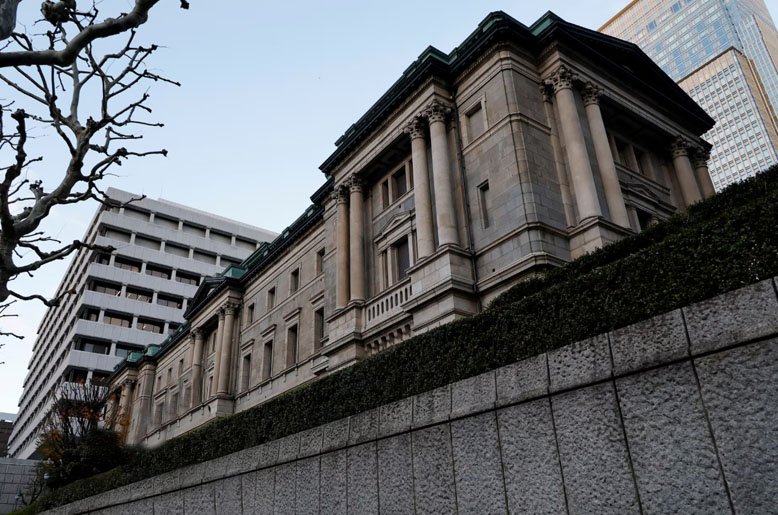
Japan’s central bank has signalled its commitment to gradually raising interest rates, as inflation remains stubbornly above target and the economy faces mounting challenges.
The Bank of Japan (BOJ) embarked on policy normalisation last year, ending the world’s only negative interest rate regime, in place since 2016. Since then, it has maintained a cautious approach, aiming to nurture a “virtuous cycle” of rising wages and prices.
Inflation remains high despite weak wage growth
Data released earlier this week showed consumer prices in Japan rose 2.9 percent in November, marking 44 consecutive months above the BOJ’s 2 percent target. Yet, the benefits of inflation have not translated into higher living standards. Real wages have declined for ten straight months, highlighting the squeeze on household incomes amid rising prices.
The BOJ projects that core inflation, which excludes fresh food, is likely to ease below 2 percent from April to September 2026, reflecting slower growth in food prices and government measures aimed at alleviating inflationary pressure.
Still, officials said that moderate wage growth is expected to continue, and corporate profits remain robust. “It is highly likely that the mechanism in which both wages and prices rise moderately will be maintained,” the central bank said, signalling confidence in its gradualist strategy.
Economic slowdown and rising borrowing costs
Economic growth, however, shows signs of strain. Revised third-quarter GDP figures revealed the economy contracted by 0.6 percent quarter on quarter, or 2.3 percent on an annualised basis.
Rising interest rates could further slow activity, while spiking yields on Japanese government bonds have increased borrowing costs, placing additional strain on Japan’s already high public debt, which stands at nearly 230 percent of GDP.
Yen pressure and cautious outlook for future hikes
The rate hike comes as the yen remains weak against the dollar, trading between 154 and 157 since Prime Minister Sanae Takaichi, a former advocate of looser monetary policy, took office in October. Higher yields could support the currency, but analysts expect downward pressure to persist.
Looking ahead, economists predict the BOJ will continue gradually raising rates, potentially reaching a terminal policy rate of around 1 percent by mid-2026.
“A rapid tightening is not expected,” said Hirofumi Suzuki, chief FX strategist at Sumitomo Mitsui Banking Corporation. Oxford Economics’ Shigeto Nagai added that while further hikes could create friction with Takaichi if inflation eases smoothly, the weak yen and cost-of-living concerns are likely to keep policy on a cautious tightening path.
To support the economy and households, Japan’s cabinet approved a 21.3 trillion yen ($135.5 billion) stimulus package in November, highlighting the government’s effort to balance monetary tightening with fiscal support.
Read next: Pakistan’s forex reserves rise nearly 9% after IMF inflows