Karachi brings hot days, hazy sunshine, and sudden weather changes. You need accurate forecasts to plan your daily routine. We look at detailed satellite data to give you the most reliable weather updates.
This guide will show you exactly what to expect from the sky above Pakistan’s biggest city. You will learn about temperature spikes, UV index alerts, and air quality warnings for April.
How we understand satellite Karachi weather
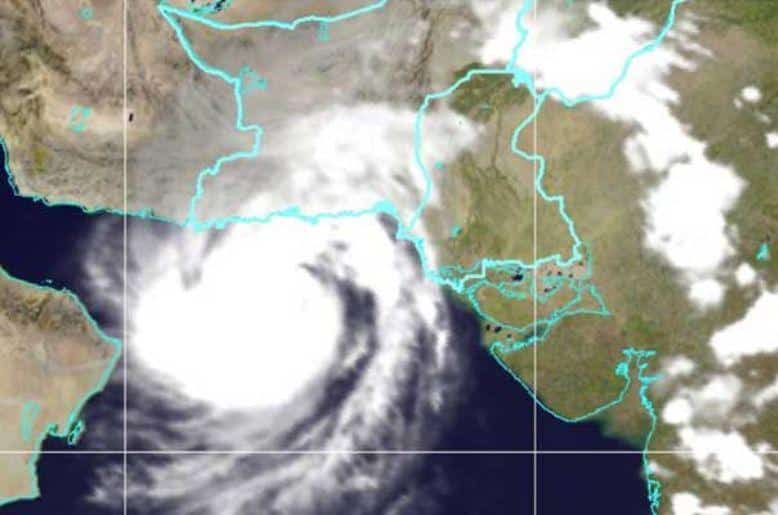
Weather forecasting relies heavily on advanced space technology. Satellites orbit the Earth and take continuous pictures of weather patterns. They track clouds, measure air temperatures, and monitor wind speeds.
This technology gives us a clear picture of satellite Karachi weather. Space cameras capture real time data over the Arabian Sea. Meteorologists use this data to predict coastal climate changes before they hit the city.
Karachi sits right on the coast. The sea breeze usually keeps the city cool. However, wind direction changes can stop the sea breeze completely.
Satellites detect these wind shifts instantly. They tell us when the hot desert winds will blow into the city. This early warning system helps citizens prepare for extreme heat waves.
April temperature trends and satellite data
We have detailed satellite weather data from April 7 to April 21. The numbers show a fast increase in heat. The city will face intense sunshine and very warm temperatures. Let us break down the daily forecasts to help you prepare.
Early April heat and haze
The first week of April starts with warm and hazy conditions. April 7 brings a high of 32 degrees Celsius and a low of 22 degrees Celsius. The real feel temperature remains exactly at 32 degrees. The wind blows from the southwest at 26 kilometers per hour. This strong breeze provides some relief from the heat.
The heat increases slightly on April 8 and April 9. Temperatures reach 34 degrees Celsius with long periods of sunshine. The real feel temperature climbs up to 36 degrees Celsius. The wind speed drops to 13 kilometers per hour. This slower wind makes the air feel much hotter than the actual temperature.
April 10 and April 11 bring very warm weather. The high temperature hit 37 degrees Celsius by Saturday. The real feel shade temperature reaches 35 degrees Celsius. Satellites show clear skies with plenty of sunshine. You should stay indoors during the peak afternoon hours.
Mid-April extreme temperatures
The middle of April brings serious heat challenges to Karachi. April 12 starts with a very hot period. The temperature stays around 36 degrees Celsius. Air quality becomes very unhealthy according to satellite readings.
April 13 pushes the heat even higher. The city reaches 38 degrees Celsius. The real feel temperature jumps to 39 degrees Celsius. The hot spells of sunshine make outdoor activities very difficult. The wind stays low at 13 kilometers per hour.
April 14 and April 15 continue the extreme warming trend. The actual temperature stays at 37 degrees Celsius. However, the real feel temperature skyrockets to 42 degrees Celsius. This massive difference happens because the sea breeze stops. The wind shifts and blows slowly from the south at just 4 kilometers per hour. You must drink plenty of water these days.
Approaching the 40-degree mark
The heat reaches its peak between April 16 and April 18. April 16 brings mostly cloudy but very hot conditions. The temperature hits 39 degrees Celsius. The real feel shade temperature sits at an uncomfortable 38 degrees Celsius.
April 17 stays very hot with the spells of sunshine. The temperature remains at 38 degrees Celsius. The real feel climbs back up to 41 degrees Celsius. The wind blows slowly from the west northwest.
April 18 marks the hottest day in our satellite Karachi weather data. The actual temperature hits 40 degrees Celsius. The sun shines brightly through high clouds. The real feel temperature matches the actual temperature at 40 degrees Celsius. The wind drops to just 6 kilometers per hour. You must avoid direct sunlight completely on this day.
Late April weather shifts
The weather finally starts to shift on April 19. The temperature drops back to 35 degrees Celsius. Satellites show increasing cloud cover. The real feel still stays high at 40 degrees Celsius. The chance of rain increases slightly to 25 percent.
April 20 and April 21 bring slightly better conditions. The high temperatures settle at 34 degrees Celsius. The lows drop to 23 degrees Celsius. We see more sunny spells and sunny periods. The wind picks up slightly to 13 kilometers per hour from the west.
Understanding the extreme UV index
Our satellite Karachi weather data reveals a severe UV index problem. The Ultraviolet index measures the strength of sunburn producing radiation from the sun. A normal safe level is under 5. Karachi faces extreme danger levels throughout April.
On April 7, the Max UV index hit 10.0. Health experts classify this as unhealthy. From April 8 to April 17, the Max UV index reaches 11.0 daily. Meteorologists classify 11.0 as very unhealthy and extremely dangerous. Your skin can burn in just a few minutes of direct exposure.
The UV index drops slightly to 6.0 on April 18 due to high clouds. However, it quickly jumps back up to 10.0 and 11.0 from April 19 to April 21. You need heavy sun protection during this entire two-week period. Wear protective clothing when you go outside. Apply thick sunscreen to your face and arms. Wear a wide hat and dark sunglasses to protect your eyes.
Air quality concerns in Karachi
Satellites track more than just temperatures. They also measure pollution levels in the air. The data from April 12 to April 14 shows very unhealthy air quality. Dust particles mix with vehicle smoke and industrial pollution. The slow wind speeds trap this dirty air close to the ground.
Poor air quality affects everyone in the city. People with asthma or breathing problems face the highest risks. You should keep your windows closed on these specific days. Use air purifiers inside your home if you have them. Wear a high-quality face mask if you travel through heavy traffic. Heavy rainfall recently disrupted power supply across the city. Read how FESCO restored electricity in phases after heavy rain and what it means for residents.
The importance of satellite monitoring
Satellites protect lives by providing accurate warning systems. The Karachi coast experiences rapid weather shifts. A sunny morning can turn into a dusty and suffocating afternoon. Real-time space data gives local authorities the time to issue health warnings.
This space technology tracks the exact moment the sea breeze dies down. It measures the heat building up in the concrete buildings of the city. We use this information to tell you exactly when the real feel temperature will cross 40 degrees Celsius. Good data helps you make smart choices about your health and daily schedule.
Frequently asked questions
Q1. What is the highest temperature expected in Karachi this April?
The highest expected temperature is 40 degrees Celsius on April 18. The real feel temperature will reach up to 42 degrees Celsius earlier in the week.
Q2. Why does the real feel temperature differ from the actual temperature?
Real feel temperatures include humidity levels and wind speeds. High humidity and low wind speeds make the air feel much hotter than the thermometer shows.
Q3. How can I protect myself from a UV index of 11?
You must stay indoors during peak sun hours between 11 AM and 4 PM. Apply strong sunscreen and wear full sleeve clothing if you need to go outside.
Q4. What does unhealthy air quality mean for my daily routine?
Unhealthy air quality means you should avoid outdoor exercises or heavy physical work. Keep your windows shut to prevent polluted air from entering your house.
Q5. How do satellites predict Karachi weather so accurately?
Satellites take continuous thermal images of the coast. They track cloud movements and measure ocean temperatures to predict heat waves before they arrive.