
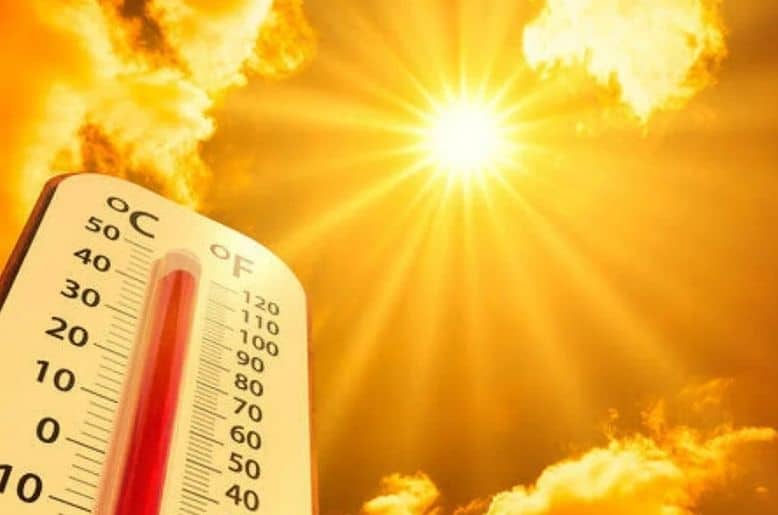
A recent study has identified Pakistan as one of the countries most exposed to the effects of El Niño-related climate change, with Lahore and Faisalabad expected to face dangerously high temperatures by 2050.
The research suggests that rising temperatures could increase heat-related health risks across the country. Scientists believe the two cities may witness more intense and frequent heatwaves in the coming years, potentially causing a rise in heat-related deaths.
The Pakistan Meteorological Department (PMD) has also expressed concern over the growing heatwave threat. Chief Meteorologist Lahore Dr Zaheer Babar said El Niño is contributing to higher temperatures, while unchecked urban expansion is making cities even hotter.
He explained that tall buildings, increasing traffic emissions, declining green spaces and the rapid spread of housing developments in Lahore, Faisalabad and Multan are trapping heat and creating urban heat island effects.
Climate experts further warned that El Niño could reduce rainfall levels in Pakistan this year, increasing the chances of drought and prolonged hot weather.
Environmental specialist Dr Zulfiqar Ahmad said temperature increases in some Pakistani cities have exceeded the global average. He noted that while the world’s average temperature has risen by around 1.5%, Karachi has recorded a 4.5% increase and Lahore a 4.1% increase.
Meanwhile, the Parks and Horticulture Authority (PHA) Lahore said it is expanding tree plantation efforts to help lower urban temperatures.
Officials added that housing societies must reserve at least 7% of their land for green areas before receiving a no-objection certificate (NOC).
Experts called for urgent action to tackle climate change, saying timely measures are essential to protect communities from worsening heatwaves and other environmental challenges in the future.
Also Read, Punjab govt intensifies crackdown on illegal industrial units

