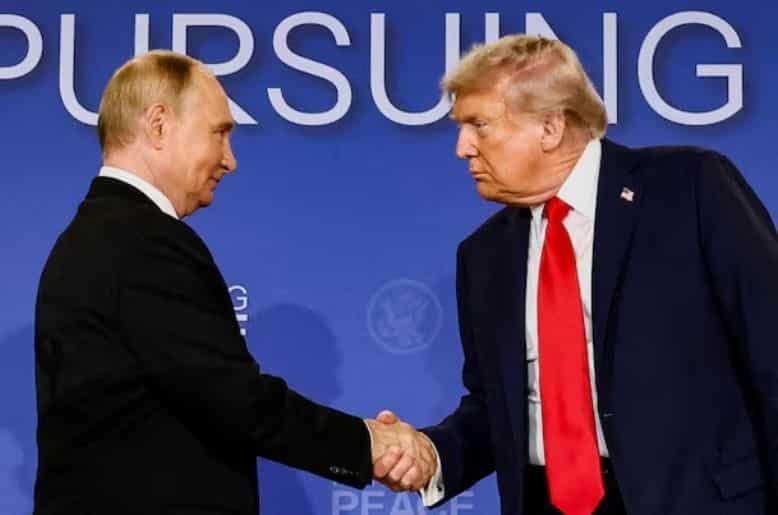
The last nuclear treaty between the United States and Russia, on Thursday, expired, raising concerns about a potential new global arms race.
Russia has since announced that it is no longer bound by restrictions on the number of nuclear warheads it can deploy. Previously, the Strategic Arms Reduction Treaty (New START) limited the deployment of strategic nuclear weapons. It was signed in 2010.
According to the Russian Ministry of Foreign Affairs, the US did not respond to President Vladimir Putin’s proposal which suggested monitoring the missile and nuclear warheads restrictions for another 12 months.
It is important to note that deployed weapons are classified as weapons that can be used actively and immediately. The US and Russia’s total nuclear assets also account for more than 90 percent of all nuclear weapons in the entire world.
End of New START
The 10-year agreement was signed in 2010 by former US President Barack Obama and former Russian President and Putin’s close ally, Dmitry Medvedev. The treaty officially took effect in 2011.
Under the Biden administration in 2021, the nuclear treaty was extended for a period of five more years.
The treaty’s end implies that the two countries are officially exempted from limitations regarding deployment and the number of nuclear warheads.
In January, US President Donald Trump said that the two nations could form a better agreement upon expiration of the treaty. Trump also urged China to engage in future nuclear dialogue.
Amidst fears of a global arms race, United Nations Secretary-General Antonio Guterres called the end of New START a ‘grave moment’ for international security and peace. He further requested Trump and Putin to formulate a new nuclear arms agreement with utmost priority.