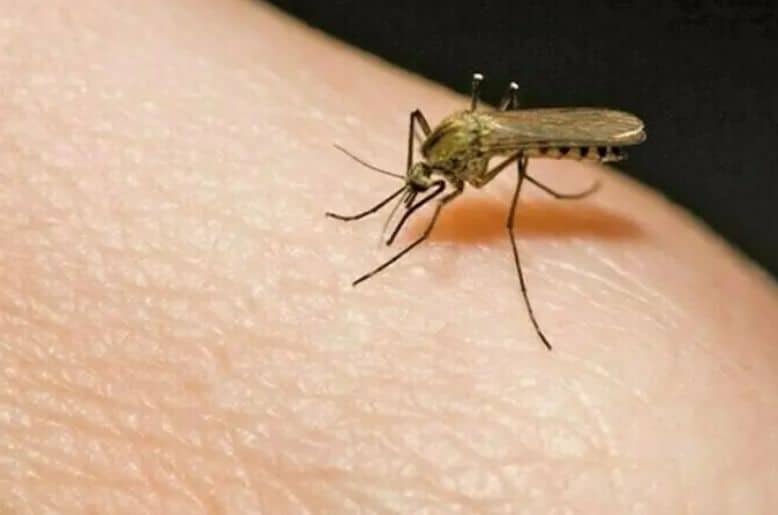
Sindh is facing a growing public health challenge as inadequate mosquito control measures continue to impact thousands across the province, according to media reports.
26,000 Malaria, 195 Dengue cases reported
In just the first four months of the year, over 26,000 malaria cases have been reported, alongside 195 dengue cases and one confirmed death.
According to experts, the number of unreported cases cannot be ignored. Data from the Vector Borne Diseases Department of the Sindh Health Department shows that 707,724 people were tested across the province from January 1 to April 23, 2026, out of which 26,059 were confirmed to have malaria.
Sindh is currently experiencing a significant rise in mosquito-borne diseases such as malaria, dengue, and chikungunya.
Symptoms of Malaria, Dengue and Chikungunya
Malaria is transmitted through the bite of the female Anopheles mosquito. The parasite can cause a range of symptoms in humans, including fever, chills, sweating, headache, nausea, fatigue, and anaemia. These symptoms usually appear 10 to 15 days after the mosquito bite.
In contrast, dengue is spread by the bite of the Aedes aegypti mosquito, which is also responsible for transmitting other diseases such as Zika, chikungunya, and yellow fever.
Dengue symptoms typically begin within four to ten days after the bite and usually last for two to seven days.
Common symptoms include high fever, severe headache, pain behind the eyes, muscle and joint pain, nausea, vomiting, and skin rash. In severe cases, dengue can lead to intense abdominal pain, bleeding gums, blood in the stool or urine, difficulty breathing, and extreme fatigue.
Symptoms of chikungunya usually develop within a week of being bitten by an infected Aedes mosquito. These include fever, joint pain and swelling, headache, skin rash and fatigue.
Precautions measures
Use mosquito repellents, wear clothing that minimises skin exposure to mosquito bites, Sleep under insecticide-treated mosquito nets, Spray insecticides and larvicides in mosquito-prone areas, prevent water from accumulating in old tyres, empty containers, or stagnant pools, keep water containers and tanks properly covered, pour kerosene oil into standing water outside homes to prevent mosquito breeding.
Since these diseases can be life-threatening, early and accurate diagnosis is essential for recovery. Proper laboratory testing, a complete medical history, and awareness can help identify the infection.
Read more: Naqvi assures uninterrupted medicine supply across Islamabad